
Falls caused by wet surfaces, broken steps, poor lighting, or uneven ground can lead to serious, lasting injuries. Victims frequently suffer broken bones, traumatic brain injuries, or spinal damage, and many face long-term recovery and significant financial stress. Too often, these incidents in Montana are the result of carelessness by a property owner who failed to correct or warn about a dangerous condition.
At Miller Tourtlotte Law, PLLC, we represent people whose lives have been disrupted by slip and falls. Our attorneys take a direct, disciplined approach: we investigate the facts, identify the parties responsible, and build the strongest possible case on your behalf. This is not about quick settlements—it’s about getting full and fair compensation under Montana law. In the sections below, Miller Tourtlotte Law, PLLC explains key information about slip and fall cases, including your legal rights, the types of damages that may be available, and how a Yellowstone County slip and fall lawyer can advocate for you and your family in pursuit of justice.
Types of Slip and Fall Accidents You Might Face
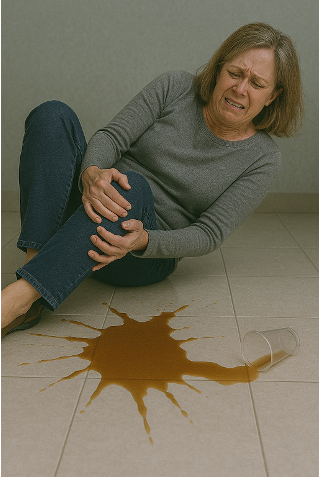
Wet Surface Falls — Slippery floors are one of the most common causes of falls, especially in public places like grocery stores, lobbies, and restrooms. These accidents often occur when water, grease, or cleaning solution is left behind without warning signs. Smooth materials like tile or polished concrete—common in Billings commercial spaces—can become dangerously slick with just a thin layer of liquid.
Snow, Ice, and Weather-Related Falls — Winters in Yellowstone County can be harsh, and cities like Laurel and Lockwood often experience sudden snow or freezing rain. Icy sidewalks, parking lots, and entryways become high-risk zones if not properly cleared or treated. Indoors, snow tracked in on boots can also make floors dangerously wet, especially in busy entrances.
Uneven Walking Surfaces — Cracks in sidewalks, broken tiles, loose floorboards, or sudden changes in flooring height can all cause someone to trip. In older areas of Billings or around multi-use properties in Lockwood, these hazards may appear in both residential and commercial environments. Even subtle surface changes—like the edge of a rug or a worn threshold—can catch your foot and send you tumbling.
Falls on Stairs and Escalators — Stairs and escalators pose unique risks when lighting is poor, steps are uneven, or handrails are missing. In public buildings throughout Yellowstone County—including malls, government facilities, and transit hubs—falls can occur when the walking surface is slick or when the steps themselves are damaged or worn.
Falls from Height — Raised platforms, steps, and mezzanines often appear in workplaces, event venues, or storage areas in industrial parts of Billings and Laurel. A missing guardrail or unstable ladder can turn a minor misstep into a serious fall from height. Even low-height drops can be dangerous if landing on hard or cluttered surfaces.
Falls in Medical or Care Settings — Hospitals, clinics, and assisted living facilities throughout Yellowstone County, especially those serving aging populations in Billings and Lockwood, must maintain high safety standards. Unfortunately, crowded hallways, loose cords, or liquid spills can lead to falls by patients—particularly among those with mobility challenges or recovery needs.
Falls in Work Environments — Industrial, construction, and warehouse jobs in Billings and surrounding towns often involve wet floors, moving machinery, or cluttered workspaces. When workers are rushing or distracted, obstacles like cords, tools, or uneven platforms become serious tripping hazards. These work-related falls can lead to downtime and long recovery periods.
Falls Due to Poor Lighting — Inadequate lighting in hallways, stairways, or parking lots—especially during Montana’s long winter nights—can make it difficult to see puddles, steps, or cracks in the pavement. Whether in residential complexes in Lockwood or office buildings in downtown Billings, poor visibility greatly increases fall risk.
Falls Involving Loose or Moving Objects — Unexpected items in your path—like boxes, backpacks, or rolling carts—are common in both home and work settings. In busy retail areas of Laurel or behind-the-scenes storage rooms in Billings stores, these moving or misplaced objects can cause sudden, dangerous falls.
Falls Caused by Footwear Hazards — Sometimes it’s not the floor—it’s your shoes. Wearing slick-soled shoes on polished tile, or high heels on uneven ground, greatly increases your chances of falling.
Falls on Slopes or Ramps — Sloped surfaces are inherently tricky, especially when wet, icy, or poorly designed. Whether it’s a ramp outside a government building in Lockwood or an inclined path at a shopping center in Billings, a lack of traction or handrails makes it easy to lose balance. Ramps that are too steep or uneven can be more hazardous than helpful.
Common Injuries You Can Get From a Billings Slip and Fall Accident
Traumatic Brain Injury (TBI) — A sudden impact to the head during a fall can cause anything from a mild concussion to more severe brain trauma. You may experience confusion, dizziness, nausea, or memory loss, sometimes right away or even days later.
Hip Fractures — A powerful fall onto your side can fracture the hip, especially in older adults. These injuries frequently require surgery and extended physical therapy, and in some cases, lead to permanent mobility issues.
Spinal Cord Injuries — Landing on your back or neck can damage the spine, sometimes resulting in herniated discs, nerve compression, or in severe cases, paralysis. Even less severe injuries can limit motion, require prolonged treatment, and cause chronic pain or numbness in the limbs.
Broken Bones — Common fractures from falls involve the wrists, ankles, arms, and legs—often because people instinctively try to catch themselves. Some breaks are simple, while others are complex and need surgical intervention.
Soft Tissue Injuries — Injuries such as sprains, muscle strains, or torn ligaments might not be visible on scans but can still result in significant pain, swelling, or reduced mobility.
Deep Cuts and Lacerations — Falling onto a sharp object or rough surface can lead to deep skin cuts, which may need stitches or lead to scarring.
Emotional Trauma — Falls can trigger not just physical injuries but also emotional responses such as anxiety, PTSD, fear of walking alone, or reluctance to navigate certain spaces.
Where Slip and Falls Usually Happen
- Busy Public Areas — Entrances, hallways, and crowded walkways often have spills and fast-moving foot traffic.
- Workplaces With Physical Activity — Jobs involving standing, lifting, or equipment often face wet floors and cluttered paths.
- Multi-Unit Housing — Shared stairs, sidewalks, and entryways can become hazardous if not properly maintained.
- Medical and Care Facilities — Hospitals and care homes pose risks due to limited mobility and overlooked spills.
- Poorly Lit Spaces — Dim stairwells and walkways make it easy to miss puddles, steps, or uneven flooring.
- Sloped or Uneven Ground — Inclines, dips, or gravel paths can throw off balance—especially without handrails.
- Retail Stores and Malls — Spilled drinks, dropped items, or recently mopped floors often go unnoticed.
- Parking Lots and Garages — Potholes, oil spots, and poor lighting make walking hazardous.
- Restaurants and Cafeterias — Greasy floors or food debris can lead to sudden slips.
- Construction and Industrial Sites — Loose materials, uneven platforms, and debris create constant trip risks.
Who Can Be Held Responsible For a Slip and Fall
Property Owners and Managers — If you fall because of a hazardous condition on someone else’s property, the owner or person in control of that space may be held responsible. Under MCA § 27-1-701, people who cause injury through failure to exercise ordinary care can be liable for damages. That includes not fixing dangerous conditions or not warning you about them. The law applies to both commercial and residential properties. However, property owners are generally shielded from liability for harm to trespassers under MCA § 27-1-708.
Landlords of Rental Properties — If you live in or visit a rental unit and slip because of an unsafe condition in a common area, the landlord may be liable. Montana law recognizes that landlords have a duty to maintain the premises under MCA § 70-24-303, and they can be sued if their failure to maintain safe conditions leads to injury.
Businesses Open to the Public — Owners of stores, restaurants, or other public-facing businesses must keep their properties reasonably safe for customers and guests. This includes regularly checking for hazards and cleaning up spills. If a business doesn’t take these steps and you fall as a result, they may be liable.
Government Agencies or Municipal Entities — When a slip and fall happens on government property, things are more complicated. You may be able to file a claim under the Montana Tort Claims Act (MTCA), but there are strict procedures. You must file a written notice with the appropriate agency before pursuing a lawsuit. Claims may be barred if you miss the deadlines set by MCA § 2-9-301.
Employers and Job Sites — If you fall while working, your employer might be responsible. Most workplace injuries are covered by Montana’s workers’ compensation system under MCA § 39-71-101, which provides benefits regardless of fault. However, if a third party—like a contractor or building owner—is to blame, you may also have a separate personal injury claim outside the workers’ comp system.
Care Facilities and Their Staff — When a fall happens in a hospital, nursing home, or rehab center, staff members and facility operators may be held accountable. These places owe a duty of care to their patients and residents. If they fail to provide supervision, keep walkways clear, or respond to known hazards, they can be found negligent.
What Your Yellowstone County Slip and Fall Attorney Does for You
A slip and fall lawyer doesn’t just gather evidence and file paperwork. They look closely at how the fall happened, what kind of property was involved, who was responsible for maintenance, and whether the hazard was known or should have been known. These cases often turn on small but important details: a missing wet floor sign, a faulty handrail, or the time between when a hazard appeared and when it was addressed. A slip and fall attorney in Yellowstone County will conduct a full investigation, preserve video footage, interview witnesses, and bring in experts if needed to show what went wrong.
Slip and fall cases often involve tough fights with property owners, insurance companies, and corporate legal teams. Your lawyer will deal directly with insurers and push back against low settlement offers or blame-shifting tactics. Under MCA § 27-1-701, anyone who causes injury through negligence is responsible for the harm done—including medical costs, lost wages, pain and suffering, and reduced quality of life. If a slip and fall leads to death, wrongful death damages can be claimed under MCA § 27-1-513. Your attorney will help to ensure all losses are fully accounted for, including long-term effects that might not be obvious right away. They’re not just helping you recover money—they’re making sure you’re treated fairly and that the people who failed to keep you safe are held accountable.
Common Questions About a Slip and Fall
What should I do right after a slip and fall?
Get medical care right away, report the fall to the property owner or manager, take clear photos of the scene and your injuries, keep your clothes and shoes, and contact a premises liability lawyer regarding a slip and fall claim as soon as possible.
Can I still sue if I slipped at work?
Yes. Workers’ compensation under MCA § 39-71-101 may cover your work-related injuries, but if a third party caused the hazard—like a contractor or property owner—you may also have a separate personal injury claim for additional compensation.
How much money can I get from a slip and fall case?
Your compensation depends on the extent of your injuries, lost income, medical expenses, and pain and suffering. Your lawyer can help you claim all available damages under Montana law.
How long do I have to file a slip and fall lawsuit in Montana?
MCA § 27-2-204 gives you three years from the date of the accident to file a claim. If you wait too long, you could lose your right to recover damages, so act quickly.
Is the property owner always liable if I fall?
Not automatically. Under MCA § 27-1-701, you must show the owner caused or failed to fix a dangerous condition. Liability depends on whether they knew or should have known about the hazard and didn’t act.
What if I didn’t notice the hazard before I fell?
You’re not expected to catch every danger. Montana law still allows recovery if the condition was unreasonably dangerous and the owner didn’t warn you. A lawyer can help prove it wasn’t an obvious or avoidable risk.
Can I sue if I was partially at fault?
Yes. Montana follows a modified comparative fault rule under MCA § 27-1-702. As long as you were less than 51% at fault, you can still recover damages, though the amount will be reduced based on your share.
Do I need a lawyer for a slip and fall claim?
While not legally required, having a lawyer helps you navigate deadlines, gather evidence, deal with insurers, and use Montana law effectively. Without one, it’s easy to miss key legal protections or settle for too little.
Can I file a claim if my child slipped and got hurt?
Yes. Parents or guardians can bring claims for a child’s injuries, including medical bills and long-term harm. MCA § 27-1-202 allows recovery for both economic and non-economic losses the child and family suffer.
What if someone died from a slip and fall?
If a fall leads to death, you may file a wrongful death claim under MCA § 27-1-513. Compensation may include funeral expenses, medical bills, lost income, and damages for loss of care and companionship.
Yellowstone County Montana Slip and Fall Lawyers
If you’ve been injured in a slip and fall, you need attorneys who know exactly how to handle these cases—and how to stand up to the insurance companies trying to avoid responsibility. At Miller Tourtlotte Law, PLLC, you’ll work directly with attorneys who bring decades of focused legal experience to the table. Founding partners Matt Tourtlotte and A.J. Miller have spent their careers litigating complex injury cases across Montana, with a deep understanding of how serious slip and fall injuries can affect your health, your income, and your future. They’ve gone toe-to-toe with powerful insurance companies and property owners, and they know how to push back when you’re being treated unfairly.
You don’t get a second chance to handle a serious injury case the right way. Let experienced lawyers who have helped hundreds of Montanans fight for what they’re owed go to work for you. Contact Miller Tourtlotte Law, PLLC by calling (406) 888-2222 or contacting us online for a free consultation with our slip and fall accident lawyers in Yellowstone County.