
If you have been injured on the job in Montana, you depend on workers’ compensation benefits to help you recover financially and medically. Yet many injured workers are surprised to learn that insurance companies sometimes use surveillance to monitor claimants. Understanding when surveillance is lawful—and how it may affect your claim—is critical to protecting your rights under Montana law. This overview, prepared by Miller Tourtlotte Law, PLLC, explains the legal boundaries of surveillance in workers’ compensation cases and what you should do if you suspect you are being watched.
The Legal Foundation of Workers’ Compensation in Montana
Montana’s workers’ compensation system is established under Title 39, Chapter 71 of the Montana Code Annotated (MCA). The law requires employers to provide compensation for injuries that “arise out of and in the course of employment.” Specifically, MCA § 39-71-407 states that an employer is liable for workplace injuries sustained by employees performing job-related duties. In return, employees typically relinquish the right to bring a separate personal injury lawsuit against their employer.
Under MCA § 39-71-604, insurers have broad authority to investigate claims, gather information, and determine eligibility for benefits. This investigative authority includes the use of surveillance, provided the methods comply with Montana’s privacy, criminal, and evidentiary laws. Improper or overly intrusive surveillance can lead to challenges under both civil and criminal statutes.
Why Insurers Use Surveillance
Insurers conduct surveillance primarily to verify the accuracy of an injured worker’s reported limitations. The stated purpose is to detect fraud or misrepresentation, but surveillance often serves a broader strategic purpose—creating leverage in litigation or settlement negotiations.
For example, an investigator may record a worker performing ordinary activities, such as lifting a small object or walking to a vehicle, and later argue that these actions contradict the individual’s claimed restrictions. Such short video clips rarely capture context: pain that occurs later, the effort required, or the difference between a brief action and sustained work.
Montana courts permit surveillance evidence if obtained lawfully and relevant to the case, but this type of evidence must be evaluated carefully. A skilled attorney can help ensure that surveillance does not unfairly distort the true extent of your injuries.
The Scope and Limits of Surveillance Under Montana Law
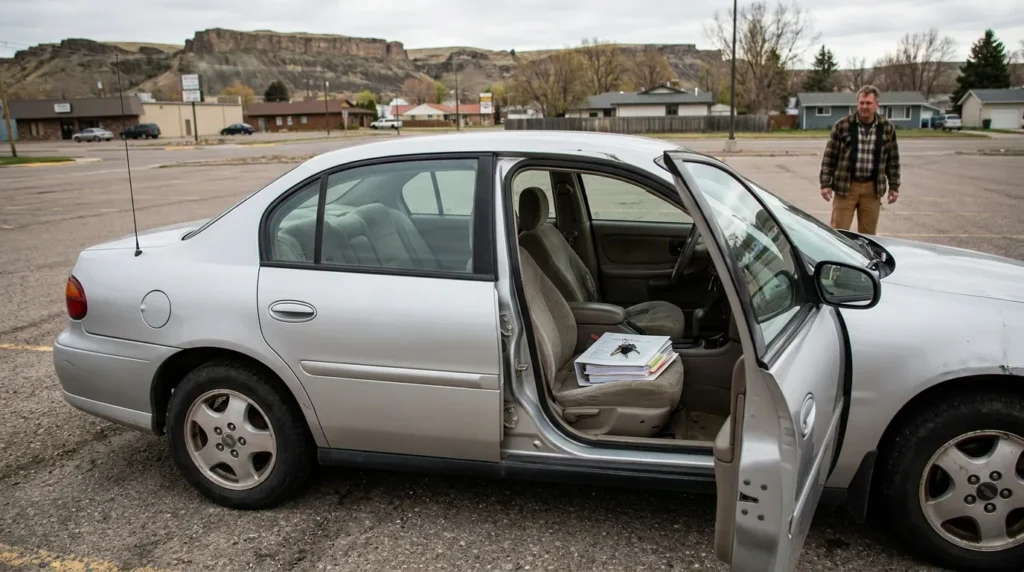
In Montana, surveillance is lawful only within certain boundaries. Investigators may observe and record activities that occur in public spaces, where there is no reasonable expectation of privacy. They may not, however, trespass onto private property, enter a residence, or use equipment to capture images inside a home.
If surveillance becomes repetitive, intimidating, or targeted in a way that causes emotional distress, it may constitute criminal stalking or harassment under MCA § 45-5-220. Conduct that interferes with your privacy may also violate other state laws designed to prevent intrusive behavior.
In short, investigators can lawfully observe what is visible to the general public, but they cannot intrude on private areas or engage in harassment. When surveillance crosses this line, your attorney can move to exclude the resulting evidence or pursue remedies for unlawful conduct.
How Surveillance Influences Workers’ Compensation Claims
Surveillance can influence multiple stages of a workers’ compensation claim. Insurers may rely on footage or photographs to question the credibility of the worker or the validity of medical opinions. Such material may be introduced during administrative proceedings or hearings before the Montana Workers’ Compensation Court.
Although insurers often present surveillance as objective, courts recognize that it can be selective or misleading. A few minutes of footage showing you bending or walking does not reflect the physical pain, medication use, or recovery time that follows. Medical professionals, rather than investigators, are best positioned to determine work capacity. Nonetheless, surveillance can be persuasive to judges or adjusters if left unchallenged.
Protecting Your Claim When Surveillance Is Involved
You cannot prevent an insurer from conducting lawful surveillance, but you can take steps to safeguard your credibility and your case. Always act in a manner consistent with your physician’s restrictions and your actual physical condition. Do not exaggerate your limitations, but also avoid performing tasks that exceed medical advice. Consistency between your actions, your statements, and your medical documentation is critical.
Social media deserves special caution. Even private posts can be obtained and misinterpreted. A photograph of you smiling at a family event, for instance, could be misconstrued as evidence that your injury is not serious. When in doubt, refrain from posting about physical activity, work, or travel while your claim is pending.
If you believe you are under surveillance, document what you notice—such as unfamiliar vehicles or individuals—but do not engage or confront anyone. Instead, notify your attorney. Your legal counsel can request copies of any surveillance materials and determine whether they were lawfully obtained. If the conduct is aggressive or continuous, your lawyer may advise contacting law enforcement for potential violations of MCA § 45-5-220 or related statutes.
The Role of Legal Counsel in Responding to Surveillance
An attorney’s role in addressing surveillance extends beyond questioning legality. Experienced counsel understands how insurers use surveillance and can place such evidence in proper context. Your attorney can cross-examine investigators, highlight gaps or inconsistencies in the footage, and emphasize medical testimony that accurately reflects your condition.
At Miller Tourtlotte Law, PLLC, our attorneys represent injured workers throughout Montana in disputes involving surveillance, claim denials, and benefit terminations. We analyze the evidence presented by insurers, challenge unlawful investigative tactics, and ensure that your rights under Title 39, Chapter 71, MCA are fully protected. Surveillance should never be used as a weapon to intimidate or deprive you of benefits guaranteed by law.
Montana Workers’ Comp Lawyers
Surveillance is an unfortunate reality in many workers’ compensation cases, but it does not have to undermine your claim. Montana law allows insurers to investigate, yet it also safeguards workers from harassment, privacy violations, and the misuse of incomplete evidence. Knowing where those lines are drawn is essential to protecting your benefits and your dignity.
If you have questions about surveillance, believe your privacy has been violated, or need representation in a workers’ compensation dispute, the attorneys at Miller Tourtlotte Law, PLLC can help. Our team understands Montana’s statutory framework and the tactics insurers use to challenge claims. We can review your situation, analyze any surveillance evidence, and ensure that your rights are upheld before the Montana Workers’ Compensation Court.
To learn more about your legal options or to schedule a confidential case review, contact Miller Tourtlotte Law, PLLC by calling (406) 888-2222 or contacting us online for a free consultation with a Montana workers’ compensation lawyer.