
Getting Hurt by a Drunk Driver in Montana: Where the Bar’s Responsibility Starts and Stops
Key Takeaways: Montana’s dram shop law, Mont. Code Ann. § 27-1-710, sets the exclusive statutory criteria for suing anyone who furnishes alcohol, and generally shields bars, restaurants, casinos, and taverns from liability. Three narrow exceptions remain: service to an underage consumer where the furnisher knew of the age or failed to reasonably check it, service to a visibly intoxicated consumer, and forcing or coercing consumption or falsely claiming a drink contained no alcohol. “Visibly intoxicated” is judged by indicators the server could actually observe at the time, not a later blood alcohol reading. Because these cases turn on receipts, video, employee records, and witness memories that can disappear fast, acting quickly is critical. The statute covers both commercial sellers and private hosts, and Montana is on the restrictive end compared to other states. Claims require written notice sent via certified mail within 180 days, a two-year filing deadline, and $250,000 caps on noneconomic and punitive damages. Even where the bar is protected, a separate negligence claim against the impaired driver may stand on its own.
Montana’s dram shop law generally holds the person who drinks alcohol, not the business that served it, responsible for resulting harm. That rule, found in Mont. Code Ann. § 27-1-710, closes the door on many claims against bars before they start. But the statute carves out narrow exceptions where a bar, restaurant, casino, or private host may still be liable.
If you or a family member was hurt by a drunk driver and you’re wondering whether the bar that served him shares the blame, the team at Miller Tourtlotte Law can walk you through it in plain English. Call 406-888-2222 or reach out to our team now and we’ll tell you honestly how your facts line up with the statute.
The Default Rule Under Montana’s Dram Shop Statute
Start with the bad news, because it shapes everything else. Montana’s legislature decided that furnishing alcohol is generally not a cause of, or grounds for liability for, injury arising from an event involving the person who consumed it, and that a furnisher cannot be held liable under any other statute, theory, or common-law claim. The provision sits in Title 27 of the Montana Code, the general tort liability part, not a liquor licensing rule. Liability also cannot rest on a furnisher’s licensing status under Title 16.
Why does that matter to you? Lawmakers were focused on limiting lawsuits, not regulating taverns. Montana enacted this statute after the state Supreme Court recognized common-law liability for tavern owners, and lawmakers responded with an exclusive statutory remedy narrowing what an injured person can bring. A review of Montana’s liquor liability law traces that history and compares Montana’s limited-liability model against more permissive states. The statute has been amended over time, most recently in 2023, so older discussions may not reflect current text.
The practical reality: in a typical crash where a driver had a few too many and left a bar on his own, the driver and his insurer are usually the target, not the bar. That’s not a reason to give up, it’s a reason to figure out early whether your facts fit an exception, since these cases rely on evidence that disappears fast and carry a short notice deadline.
The Exceptions That Can Support a Montana Dram Shop Liability Claim
The statute keeps liability alive in a few defined circumstances. A claim may survive when alcohol was furnished to an underage person and the furnisher knew or failed to reasonably check age, when furnished to someone visibly intoxicated at the time, or when the furnisher forced or coerced consumption or misrepresented a drink as non-alcoholic. These three exceptions are the only paths to liability, and courts apply them narrowly.
Common fact patterns that may open the door include:
-
Service to a minor, where the server knew or made no reasonable attempt to check age
-
Continued service to a visibly intoxicated patron
-
Situations where a server forced or pressured drinking, or misrepresented a drink as non-alcoholic
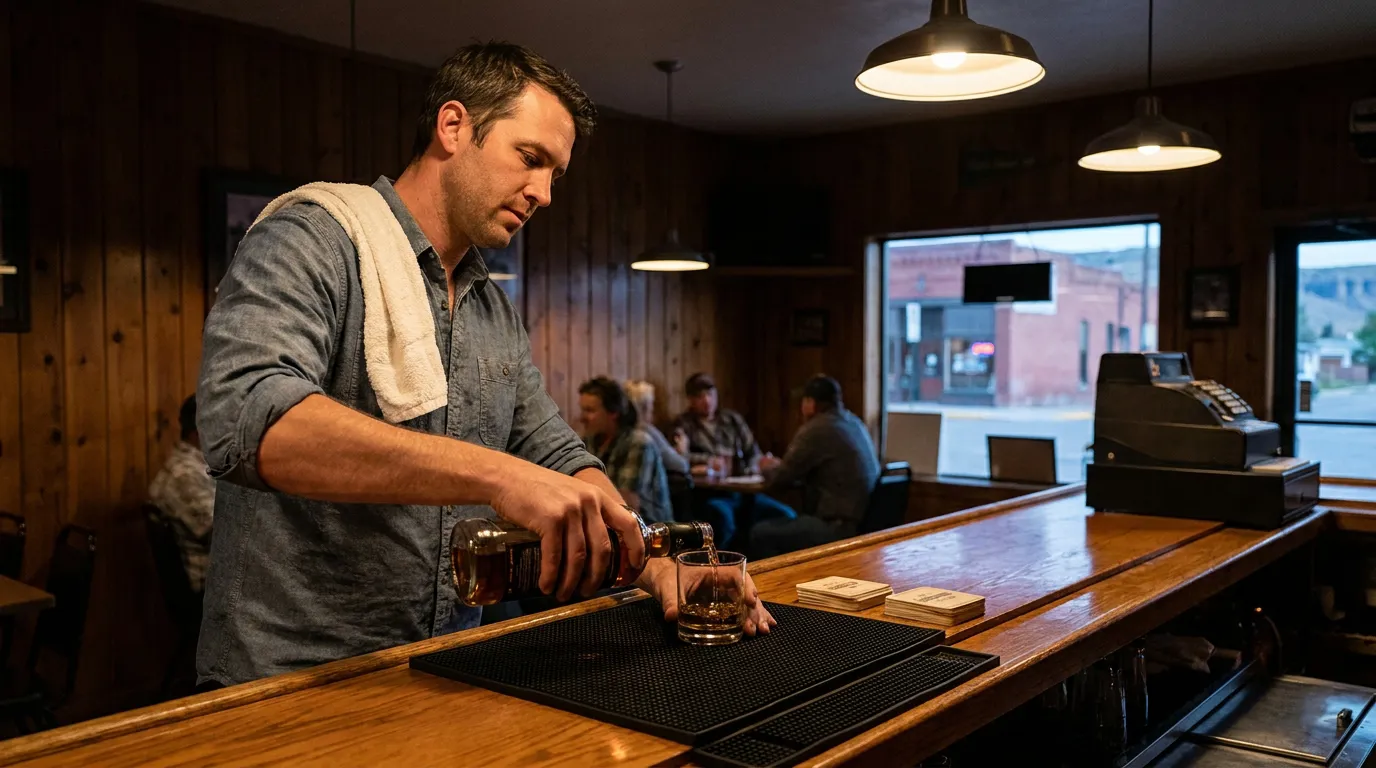
Here’s the honest limitation most articles skip. “Visibly intoxicated” is generally not measured by blood alcohol level hours later at the hospital. The statute directs the trier of fact to weigh visual and audible indicators actually observed by the server, bloodshot eyes, loud behavior, stumbling, slurred speech, along with issues like independent intervening causes. Without witnesses, receipts, video, or server testimony, even a strong-looking case can fall apart.
What Evidence Actually Moves the Needle
Dram shop cases are often won or lost on records nobody preserves on their own. Point-of-sale receipts, timestamped video, employee schedules, training documentation, and patron statements can all carry weight. Much of this material may get overwritten or discarded within weeks.
Acting quickly is not a sales pitch, it can be the whole ballgame. A preservation letter sent early can mean the difference between proof and a theory. The statute also requires written notice of the claim sent via certified mail, including date, time, circumstances, and alleged indicators of visible intoxication, within 180 days of the service.
💡 Pro Tip: Write down the names of anyone who was at the bar that night, including friends of the driver, before memories fade and phone numbers change. Witness recollection of how a person looked and acted is often among the most important pieces of an overserved patron Montana case.
Dram Shop Liability Versus Social Host Liability in Montana
These two things get mixed up constantly, and the difference is real. In many states, dram shop rules address licensed sellers while separate social host rules address private individuals who furnish alcohol at a party. Montana takes a different approach: § 27-1-710 applies to any person or entity that furnishes alcohol, so a private host and a licensed tavern are measured against the same three exceptions, even though proof problems and insurance coverage differ.
|
Situation |
Who May Be Responsible |
Typical Hurdle |
|---|---|---|
|
Bar serves a visibly intoxicated patron who then crashes |
The licensed establishment, subject to § 27-1-710 conditions |
Proving visible intoxication at the time of service |
|
Bar or store serves a minor |
The establishment, subject to statutory conditions |
Proving the seller knew of the age or made no reasonable attempt to check |
|
Private host serves a minor at a home gathering |
Potentially the host |
Same statute applies to any furnisher; facts drive the outcome |
|
Adult drinks on his own and drives |
The impaired driver |
Furnishing alone is not grounds for liability under the statute |
For a sense of how differently states treat this, the National Conference of State Legislatures maintains a fifty-state comparison of social host liability statutes for underage drinking, showing how much the rules vary. Montana sits on the more restrictive end.
What Your Claim Against the Drunk Driver Still Looks Like
Even where the bar is protected, the impaired driver generally may not be. A drunk driving crash liability case against the at-fault motorist generally follows ordinary negligence principles: duty, breach, causation, and damages, covering your injuries, medical treatment, lost work time, and life going forward.
In many cases the driver’s insurance limits may not cover a serious injury. That’s often why the tavern’s responsibility comes up, though the statute caps noneconomic damages at $250,000 per event and punitive damages at $250,000, and service to a visibly intoxicated consumer alone is not enough to support punitive damages. Underinsured motorist coverage on your own policy may also come into play, with its own deadlines and notice requirements.
Watch the Deadlines, but Do Not Assume an Extension Applies
Montana civil injury claims are subject to statutes of limitations, and missing one can end the case. A dram shop claim must be filed within two years, and the 180-day written notice comes first, while an ordinary negligence claim against the driver generally carries a three-year limit. Doctrines that pause or extend a deadline exist in limited circumstances, but Montana courts interpret them narrowly, so never assume tolling will save a late filing.
Claims involving a government entity generally follow a separate track, with administrative requirements distinct from ordinary lawsuits and their own timelines. Sorting out which rules govern your situation is one of the first things to nail down.
How Insurers Typically Handle These Cases
Expect the establishment’s insurer to lean hard on the default rule. A common response is a quick citation to the statute and a denial letter, sometimes before anyone has interviewed a witness. A denial is a position, not a ruling.
On the driver’s side, watch for a fast offer. Insurers know that people who are hurt, out of work, and buried in paperwork want the stress to stop. An early check that arrives before you know your full medical picture is rarely generous, and once you sign a release, that’s generally the end of it. More background is available in our Montana injury law articles.
💡 Pro Tip: Do not give a recorded statement to any insurance company, including the bar’s carrier, before you understand how your own words can be used to argue the driver was not visibly impaired.
Frequently Asked Questions
1. Can I sue a bar in Montana if the driver who hit me was drunk?
Sometimes, but not usually. Under § 27-1-710, furnishing alcohol is generally not grounds for liability, so a lawsuit requires facts fitting one of three exceptions: service to a minor with required knowledge or failure to check age, service to someone visibly intoxicated when served, or forced or misrepresented consumption. The statute is the exclusive remedy, with a 180-day notice requirement and a two-year filing deadline.
2. What does “visibly intoxicated” mean under the dram shop statute?
It refers to observable signs of impairment at the moment the drink was furnished, not a later blood test. The statute points to indicators the server actually observed, such as bloodshot eyes, loud behavior, stumbling, or slurred speech, so the outcome often depends heavily on witness testimony and documentation from that night.
3. Does Montana’s alcohol server liability rule apply to house parties?
Yes. Section 27-1-710 applies to any person or entity that furnishes alcohol, not just licensed sellers, so a private host is judged against the same three exceptions, particularly where minors are involved.
4. How long do I have to bring a claim after a drunk driving crash?
A dram shop claim generally requires written notice sent via certified mail within 180 days of service and must be filed within two years, while a negligence claim against the driver generally has three years. Extensions apply only in limited circumstances, so confirm the timeline early rather than assume you have room.
5. What if the bar destroyed the video before I contacted anyone?
Missing evidence can make a case harder but doesn’t automatically end it. Receipts, employee records, and witness accounts may still support a claim, and in some situations the loss of evidence itself can become an issue in the case.
The Short Version for Montanans Dealing With This Right Now
Montana’s dram shop statute, § 27-1-710, starts from the position that furnishing alcohol is not grounds for liability and forecloses other theories of recovery, protecting most establishments from most claims. The exceptions for underage consumers, visibly intoxicated patrons, and forced or misrepresented drinks are narrow, fact-driven, and generally dependent on evidence with a short shelf life, with a 180-day notice requirement, a two-year deadline, and damage caps. Whether a tavern liability Montana theory may work in your situation isn’t something anyone can answer from a website, and any outcome depends entirely on your specific facts. What is clear is that a claim against the impaired driver may stand on its own, and the sooner you start preserving proof, the more options you may keep open.
You do not need to have this figured out before you pick up the phone. Bring us what you have, even if it’s a pile of papers and a police report you haven’t read yet, and Miller Tourtlotte Law will sort through it with you. Call 406-888-2222, visit our Montana law firm online, or schedule a free consultation to find out where you stand.
Disclaimer: This content is for informational purposes only and is not legal advice. Every case is unique, and results may vary. Consult an attorney about your specific circumstances.