
Your Brain Injury Is Real Even When the Scan Looks Clean
Key Takeaways: A normal MRI doesn’t mean your post-concussion syndrome isn’t real. Standard MRI and CT scans look for physical damage like bleeding and fractures, while concussions mostly change how the brain works. Doctors usually diagnose concussion and PCS from your symptoms, your history, and testing, not from scans. Montana’s youth athlete concussion law describes concussions as brain injuries that can disrupt normal brain function and can happen with or without loss of consciousness. Without a positive scan, a strong settlement often depends on steady treatment, neuropsychological testing, and records from employers and family that show how your life has changed. Montana law may allow damages for future harm that is reasonably certain to happen, but you generally need solid medical support, so settling too early could cost you. Montana’s modified comparative negligence rule and general 3-year filing deadline can also affect your claim, so talking with an attorney early can help protect your recovery.
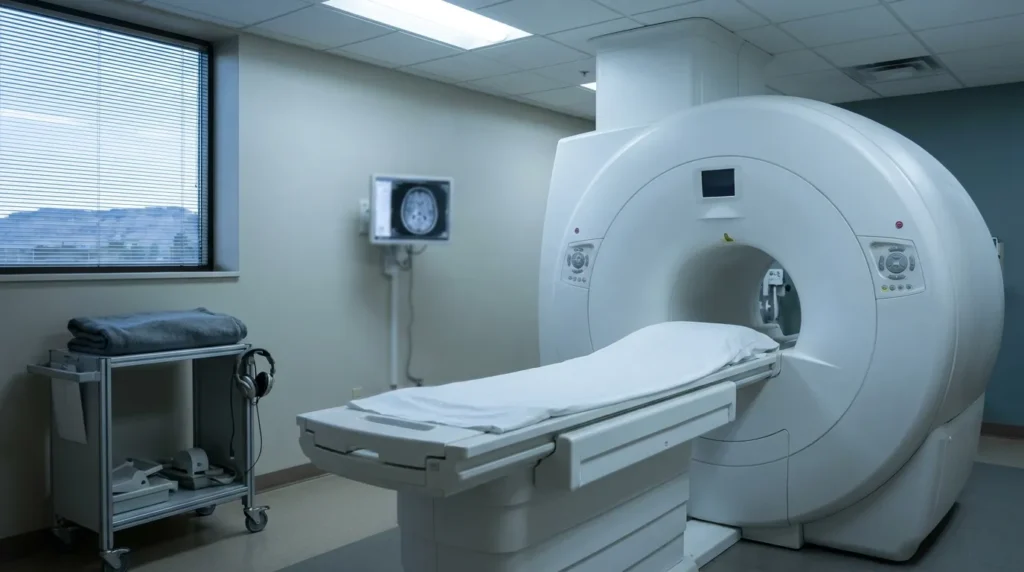
A normal MRI does not mean your post-concussion syndrome is fake, exaggerated, or "all in your head." MRI and CT scans are good at finding bleeding, swelling, and fractures. They generally can’t show the kind of damage a concussion causes, which mostly affects how the brain works rather than how it looks. If you were hurt in a Montana crash and still have headaches, memory trouble, light sensitivity, or mood changes weeks or months later, a clean scan does not erase those symptoms or end your claim. A strong post concussion syndrome car accident settlement usually depends on the right medical records, a clear timeline, and knowing what Montana law says about brain injuries and future losses.
If an insurance adjuster has pointed to your "normal" MRI as a reason to lowball you, talk to someone who will push back. Miller Tourtlotte Law works with people hurt in crashes all over Montana. Call us at 406-888-2222 or contact us now to talk through what happened.
Why Scans Often Miss Concussion Damage
A concussion mostly affects how the brain works. When your head or body takes a hard jolt, your brain moves quickly inside your skull. That movement can stretch and strain brain cells and disrupt how they communicate. Standard MRI and CT scans look for physical damage, so they can look normal while your brain still isn’t working the way it used to.
That’s why doctors usually diagnose concussion and post-concussion syndrome from symptoms, history, and testing. The scan rules out emergencies like a brain bleed. It doesn’t tell you whether you have a brain injury. Many people get a normal CT in the emergency room, go home, and then spend months dealing with fog, fatigue, and headaches.
What Post-Concussion Syndrome Can Look Like
Post-concussion syndrome (PCS) is when concussion symptoms last longer than expected. For some people that means weeks, for others months or longer. Common symptoms include:
- Headaches that won’t go away, especially with screens or bright lights
- Trouble concentrating, remembering, or finding words
- Dizziness, balance problems, or ringing in the ears
- Irritability, anxiety, depression, or mood swings
- Sleep problems and constant fatigue
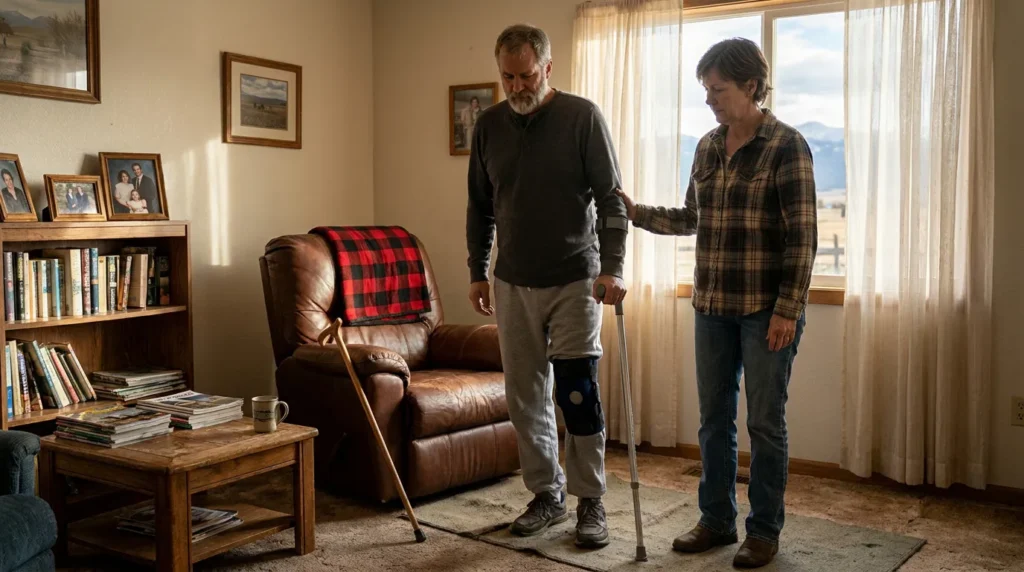
These symptoms can affect your whole life, including your job. A mechanic who can’t track repair steps, a rancher who gets dizzy on uneven ground, or an office worker who can’t look at a monitor for an hour all have a real loss, even if it doesn’t show up on an MRI.
What Montana Law Says About Concussions and Brain Injury
Montana’s statutes describe concussions as real brain injuries, even when they’re hard to see. Under MT § 20-7-1301(1)(d), part of the youth athlete concussion law, concussions are "a type of brain injury that can range from mild to severe and can disrupt the way the brain normally works." Section 20-7-1301(1)(b) also states that a blow or motion to the head or body that makes the brain move rapidly inside the skull causes a concussion.
One limit matters here. Those findings come from a law about youth sports. They don’t create a right to sue, aren’t evidence of your injury, and don’t control your car crash case. They may still help you push back on an adjuster who acts like a clean scan settles the question.
You Don’t Have to Black Out to Have a Brain Injury
Insurers sometimes argue that you couldn’t have a real brain injury because you never lost consciousness. MT § 20-7-1301(1)(f) states that concussions "occur with or without loss of consciousness." If you stayed awake at the scene, talked to the officer, and even drove yourself home, you may still have a concussion.
Montana Defines Brain Injury by Its Effects
Montana law also names car crashes as a cause of traumatic brain injury. Under MT § 53-6-501(1)(a)(i), the traumatic brain injury definition includes injury caused by outside physical force, including a motor vehicle accident. Section 53-6-501(2) describes TBI by its effects, including short-term or permanent harm to thinking, mental abilities, physical functioning, behavior, or emotions.
This definition comes from Montana’s social services laws, not its personal injury laws. It doesn’t decide your car accident claim, but it reflects that Montana law looks at what a brain injury does to a person, not just what shows up on a scan.
Building PCS Settlement Proof Without a Positive Scan
When the scan is normal, other evidence has to carry more weight. Good PCS settlement proof usually comes from several sources that tell the same story:
| Type of Evidence | What It Can Show |
|---|---|
| ER and early treatment records | Head impact, early symptoms, and a timeline starting at the crash |
| Neurologist records | Diagnosis, symptom tracking, and treatment plans |
| Neuropsychological testing | Measurable changes in memory, attention, and processing speed |
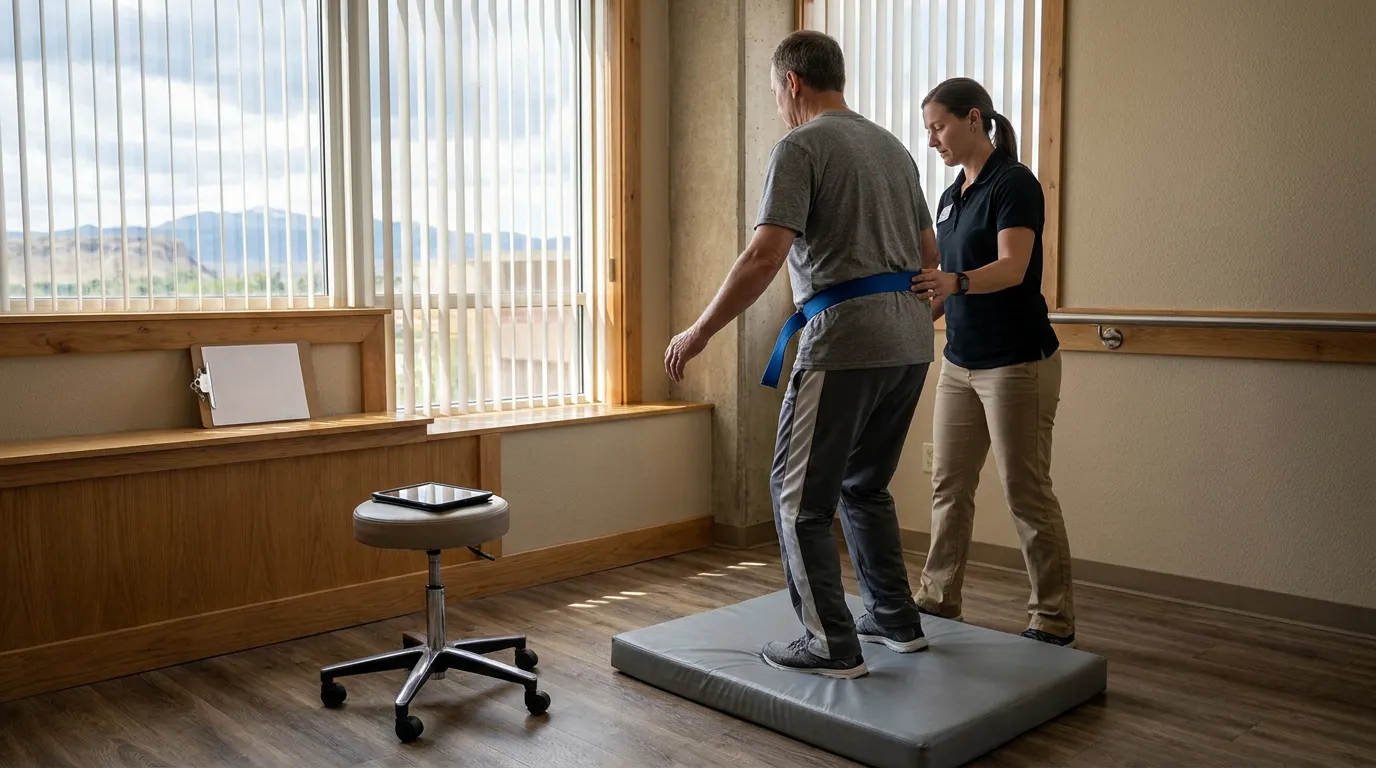
| Therapy records (vestibular, cognitive, speech) | Ongoing problems and the work needed to recover |
| Employer and coworker statements | Changes in job performance, missed work, or reduced duties |
| Family statements and symptom journals | Day-to-day changes in mood, memory, and sleep |
Consistency is one of the biggest factors in these cases. Insurers often look for gaps in treatment and argue that you must have healed. Going to appointments, telling every provider about all your symptoms, and following up on referrals builds a record that’s harder to dismiss.
💡 Pro Tip: Keep a simple daily log on your phone. Note headaches, missed tasks, forgotten conversations, and bad sleep. Months later, those notes can help you and your providers describe what happened.
If your symptoms are serious or long-lasting, it may help to talk with a Montana brain injury attorney early. Brain injury claims often turn on medical detail, and starting with the right records can make a big difference later.
How a Post Concussion Syndrome Car Accident Settlement Accounts for Future Losses
PCS often costs you more in the future than it already has. Under MT § 27-1-203, you may recover damages for harm that happens after you file a lawsuit or that is certain to happen in the future. For PCS, that may include ongoing treatment, cognitive therapy, medications, and lost earning ability if you can’t return to the same work.
The catch is proof. Courts generally read "certain to result in the future" to mean reasonable medical certainty, not absolute certainty. You usually need support from treating doctors, neuropsychologists, and other providers who can explain what care you’ll likely need and how your injury affects your ability to work. Because a settlement usually ends your claim for good, settling before you know how long your symptoms will last could cost you real money.
Fault, Deadlines, and Other Rules That Can Affect Your Claim
Being partly at fault doesn’t automatically end your concussion claim in Montana. Montana uses modified comparative negligence under MT § 27-1-702. You may still recover as long as your share of fault isn’t greater than the combined fault of the people you’re suing. The court reduces your award by your percentage of fault, so if you’re 20% at fault, your damages drop by 20%. If your fault is greater, you can’t recover anything. Insurers know this, so they often try to shift blame onto you.
Montana’s Filing Deadlines
You generally have 3 years to file a car accident injury lawsuit in Montana. MT § 27-2-204(1) sets a 3-year period for liability claims not based on a written contract, subject to exceptions in § 27-2-216. If a crash-related brain injury leads to death, MT § 27-2-204(2) generally gives the family 3 years to bring a wrongful death action, or 10 years if the death resulted from a homicide.
Three years can pass faster than you’d expect with PCS. Many people wait to see whether they’ll get better, and months go by. Some exceptions may extend or pause deadlines, but they apply only in narrow situations. Claims against government entities may also have separate notice and filing rules.
When It Makes Sense to Get a Lawyer Involved
Many Montanans don’t realize a concussion claim needs legal help until the insurer has already made a low offer. The adjuster seems friendly, asks for a recorded statement, and then points to the normal MRI as a reason your claim is worth very little.
You may want to talk with an attorney if any of these apply to you:
- Your symptoms have lasted more than a few weeks
- You’ve missed work or can’t do your job the way you used to
- The insurer is questioning whether you were really hurt
- You’re being pushed to sign a release or give a recorded statement
You don’t need to live in Billings to work with us. Our office is in Billings, but we help injured people across Montana and can meet by phone or video. If you were hurt in a Montana crash and don’t already have an attorney, a post concussion syndrome car accident settlement lawyer can walk you through your options one step at a time.
Frequently Asked Questions
1. Can I get a post concussion syndrome car accident settlement if my MRI was normal?
Possibly, in many cases. A normal MRI is common with PCS, because concussions usually affect how the brain works rather than how it looks. Your claim generally relies on a doctor’s diagnosis, testing, treatment records, and evidence of how the injury has changed your life.
2. What if I never lost consciousness in the crash?
That doesn’t rule out a concussion. MT § 20-7-1301(1)(f) recognizes that concussions can happen with or without loss of consciousness. Your medical records and symptoms often matter more than whether you blacked out.
3. Can I still recover if I was partly at fault?
Possibly. Under MT § 27-1-702, you may recover if your fault isn’t greater than the combined fault of those you’re suing. Your damages drop by your percentage of fault.
4. How long do I have to file a claim in Montana?
Generally 3 years from the crash under MT § 27-2-204(1). A few exceptions may apply, but only in narrow situations. Claims against government entities may also have separate notice rules.
5. Can I be compensated for symptoms I’ll have in the future?
Montana law may allow it under MT § 27-1-203 for harm that is certain to happen in the future, which courts generally treat as reasonably medically certain. You’ll generally need medical evidence to support the future care and lost earning ability you’re claiming.
Your Symptoms Count, Even When the Scan Is Clean
A normal MRI tells you there’s no bleeding or fracture, but it doesn’t tell you whether you’re okay. With steady treatment, solid records, and attention to deadlines and fault rules, an invisible injury can still support a real claim.
If you’re dealing with lasting concussion symptoms after a Montana crash and the insurer isn’t taking you seriously, Miller Tourtlotte Law is ready to listen. Call 406-888-2222 or reach out to our team today for a phone or video consultation, wherever in Montana you live.
Disclaimer: This content is for informational purposes only and is not legal advice. Every case is unique, and results may vary. Consult an attorney about your specific circumstances.