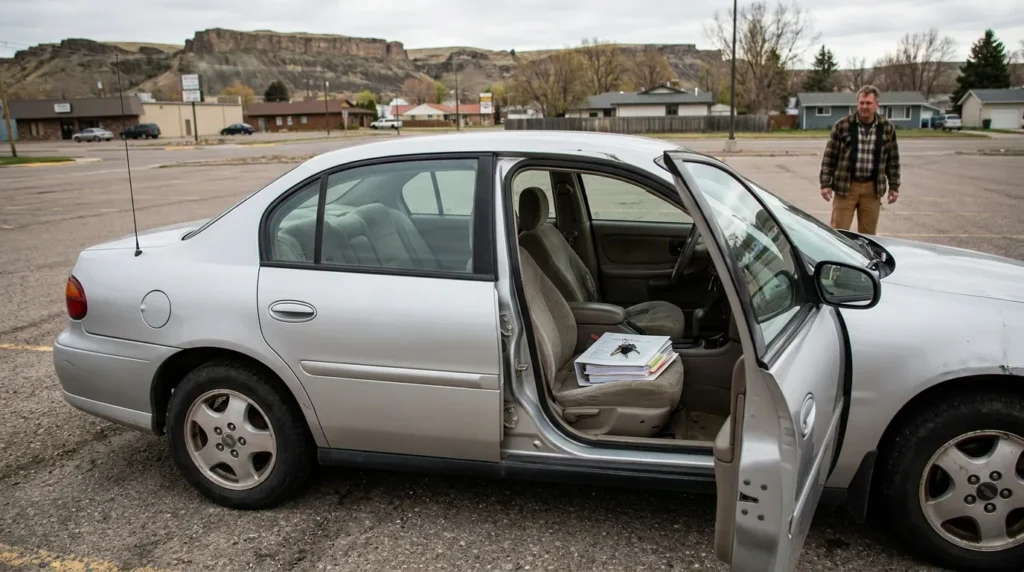

A serious car accident can leave you with injuries that don’t fade when the crash scene clears—brain trauma, spinal damage, broken bones, or chronic pain that changes how you live and work. These wrecks happen in town, on rural roads, and everywhere Montanans drive, often caused by reckless, distracted, or impaired drivers. While you’re facing medical treatment, missed paychecks, and uncertainty about your future, insurance companies move quickly to protect their bottom line. Miller Tourtlotte Law, PLLC takes over when the damage is real and the stakes are high. Below, Miller Tourtlotte Law, PLLC explains how car accidents happen, who may be legally responsible, what legal options injured victims have, the types of financial compensation that may be available, and how an experienced Montana car accident lawyer can fight to hold the responsible parties accountable.
Car Accident Lawyer in Montana
If you were hurt in a car accident, the next steps matter. Miller Tourtlotte Law, PLLC represents injured Montanans against drivers and insurance companies that refuse to take responsibility. With years of real-world experience handling serious injury and insurance disputes, our personal injury lawyers know how to apply pressure where it counts. For clear answers and a strong plan forward, contact Miller Tourtlotte Law, PLLC by calling (406) 888-2222 or contacting us online for a free consultation.
Types of Montana Car Accidents You May Be Involved In
Rear-End Car Accidents — These crashes occur when one vehicle strikes another from behind, often due to distracted driving, following too closely, or slick Montana road conditions. Rear-end accidents are common on I-90 through Billings and Missoula, Highway 93, and city streets during winter commuting hours. Even low-speed impacts can cause serious neck, back, and head injuries, especially when traffic slows suddenly because of wildlife, construction, or weather.
Head-On Car Accidents — Head-on collisions happen when vehicles traveling in opposite directions collide, and they are among the deadliest crashes in Montana. They frequently occur on rural two-lane highways, passing zones, and poorly lit roads. Improper passing, fatigue, impaired driving, or crossing the center line are common causes. High speeds and limited barriers often lead to catastrophic or fatal injuries.
T-Bone and Intersection Car Accidents — Side-impact crashes usually occur at intersections when a driver fails to yield or ignores a traffic signal. These accidents are common in cities like Bozeman, Helena, Great Falls, and Missoula, where local traffic mixes with tourists and commercial vehicles. Because vehicle sides offer limited protection, these crashes often cause serious injuries to occupants closest to the impact.
Rollover Car Accidents — Rollovers happen when a vehicle tips onto its side or roof, sometimes rolling multiple times. Montana’s terrain, sharp curves, gravel roads, and higher speeds increase rollover risks, particularly for SUVs and pickup trucks. Snow, ice, and overcorrection often contribute. These crashes are dangerous due to the risk of ejection and crushing injuries, even with seat belts.
Multi-Vehicle and Chain-Reaction Car Accidents — These crashes involve three or more vehicles and often happen within seconds. In Montana, they are common on I-15 and I-94 during snowstorms, fog, or low visibility. One loss of control can trigger multiple impacts, making these accidents complex and difficult to resolve when several drivers and insurers are involved.
Drunk Driving Car Accidents — Impaired driving remains a serious issue across Montana, especially on rural roads and during nighttime or weekend hours. Alcohol reduces reaction time and judgment, increasing the risk of speeding and lane drift. Drunk driving crashes are often severe and frequently result in life-altering or fatal injuries.
Distracted Driving Car Accidents — Texting, phone use, GPS adjustments, and in-vehicle distractions take attention off the road. In Montana, distracted driving crashes occur both in cities and on long highway stretches where drivers may become complacent. At highway speeds, even a brief distraction can lead to rear-end collisions, lane departures, or deadly impacts.
Single-Vehicle Car Accidents — Some Montana car accidents involve only one vehicle. These crashes occur when a driver leaves the roadway, hits a fixed object, or rolls over due to weather, wildlife, or road conditions. Deer, elk, and moose collisions are common, especially at dawn and dusk. Serious injuries can still result even without another driver involved.
Hit-and-Run Car Accidents — A hit-and-run happens when a driver causes a crash and leaves without stopping. In Montana, these accidents often occur at night, on rural roads, or in parking areas. Victims are left without immediate information, complicating medical care and insurance claims.
Wrong-Way Driving Car Accidents — Wrong-way crashes occur when a driver travels against traffic, often on highways or ramps. In Montana, impaired or fatigued driving is a frequent factor. These crashes give drivers little time to react and often result in high-speed, head-on collisions with devastating outcomes.
Injuries You Can Suffer After a Montana Car Crash
Traumatic Brain and Head Injuries — A violent jolt or sudden stop can cause your brain to move inside your skull, even if your head never hits anything. Concussions, brain swelling, and internal bleeding may develop hours or days later, affecting memory, concentration, mood, and long-term cognitive function.
Spinal Cord and Back Injuries — The force of a Montana car accident can damage vertebrae, discs, nerves, or the spinal cord itself. Spinal cord injuries may result in chronic pain, limited movement, numbness, or paralysis, especially after high-speed crashes or rollovers on rural highways.
Internal Injuries and Organ Damage — Seat belts and airbags save lives, but the pressure from impact can still injure internal organs such as the lungs, liver, spleen, or kidneys. Because symptoms may be delayed, internal injuries are often among the most dangerous outcomes of a serious crash.
Broken Bones and Soft Tissue Injuries — Car accidents commonly cause fractures to the arms, legs, ribs, hips, or face, along with muscle strains, ligament tears, and deep bruising. Recovery can involve surgery, physical therapy, and long periods away from work or normal activities.
Fatal Injuries in Montana Car Accidents — Some collisions cause catastrophic injuries that lead to death at the scene or shortly afterward. Head-on crashes, high-speed impacts, and rollovers are especially deadly in Montana, leaving families to cope with sudden and overwhelming loss.
Where Montana Car Accidents Most Often Happen
Montana Interstates and Major Highways — High-speed routes like I-90, I-15, and I-94 are frequent sites of serious Montana car accidents. I-90 runs through Billings, Bozeman, Butte, and Missoula and carries local traffic, commercial trucks, and out-of-state drivers. Long distances, fatigue, winter weather, and heavy truck traffic increase the risk of high-impact crashes, especially in rural stretches where emergency response can be delayed.
Billings Roads and Surrounding Areas — Billings sees some of the highest traffic volume in Montana. King Avenue, Grand Avenue, Main Street, and Highway 87 experience frequent accidents due to congestion, speeding, and distracted driving. Rural roads entering Yellowstone County are also dangerous where city traffic quickly transitions to open highway speeds.
Missoula City Streets and Highway Corridors — Missoula’s mix of urban traffic, university activity, pedestrians, and highways like I-90 and Highway 93 creates a high-risk environment. Crashes often occur along Reserve Street, Brooks Street, and busy downtown intersections, especially during peak travel and tourist seasons.
Bozeman and Gallatin Valley Hotspots — Rapid growth has increased traffic in Bozeman and the Gallatin Valley. Main Street, Huffine Lane, 19th Avenue, and routes to Big Sky see frequent crashes involving commuters and visitors. Winter weather further raises accident risks during ski season.
Rural Roads and Winter Crash Zones — Many Montana car accidents happen on two-lane highways with limited lighting and shoulders. Wildlife crossings, gravel surfaces, and sudden weather changes make rural roads and winter conditions especially dangerous statewide.
Who Can Be Held Responsible for a Montana Car Accident
Negligent Drivers Under Montana Fault Law — Most Montana car accident claims are based on negligence. Under Montana Code Annotated § 27-1-701, a driver is responsible for injuries caused by a lack of ordinary care. Speeding, distracted driving, impaired driving, and traffic violations can establish fault. Montana uses a modified comparative negligence rule under MCA § 27-1-702. You may recover compensation if you are not more than 50% at fault, but your recovery is reduced by your share of responsibility. If you are 51% or more at fault, you cannot recover damages.
Employers and Companies for Work-Related Driving — If a driver caused a Montana car accident while working, their employer may also be responsible. Montana law allows this under agency principles, including MCA § 28-10-602, which holds a principal liable for an agent’s negligence when acting within the scope of employment. This often applies to delivery drivers, service vehicles, and company-owned cars. Employer responsibility depends on whether the driver was performing job duties at the time of the crash.
Vehicle Manufacturers and Defective Auto Parts — Some Montana car accidents involve defective vehicles or components. Under MCA § 27-1-719, manufacturers or sellers may be responsible if a product is sold in a defective and unreasonably dangerous condition that causes physical harm. These claims often involve brake failures, tire defects, or airbag malfunctions that either caused the crash or made injuries more severe.
Government Entities for Unsafe Roads — Dangerous road conditions can also contribute to a Montana car accident. Missing signs, poor maintenance, or unsafe road design may expose the State of Montana or a local government to liability. These claims are governed by Title 2, Chapter 9 of the Montana Code Annotated. MCA § 2-9-301 allows claims against government entities, and MCA § 2-9-302 applies standard limitation periods. These cases often involve rules that do not apply to private-party claims.
Insurance Laws That Affect Responsibility — Montana drivers must carry liability insurance under MCA § 61-6-301, with minimum coverage limits set by MCA § 61-6-103. If the at-fault driver lacks sufficient coverage, your own policy may apply. Under MCA § 33-23-201, insurers must offer uninsured motorist coverage unless it is rejected in writing. Insurance rules often determine how compensation is paid after a crash.
Statute of Limitations for Montana Car Accident Claims — Under MCA § 27-2-204, you generally have three years from the date of a Montana car accident to file a personal injury lawsuit. Most wrongful death claims also follow a three-year deadline. Missing this deadline usually means losing your right to compensation.
Insurance and Lawsuit Process After a Montana Car Crash
Insurance Claims Begin Immediately After a Crash — After a Montana car accident, the insurance process often starts within days. Drivers typically must notify their own insurer and may also hear from the at-fault driver’s insurance company. Adjusters review police reports, vehicle damage, medical records, and statements to determine fault and evaluate damages. Early settlement offers are common, especially before the full extent of injuries or future medical needs is known. These offers may not account for long-term care, missed work, or lasting pain.
When a Car Accident Claim Becomes a Lawsuit — If insurance negotiations stall or liability is disputed, a personal injury lawsuit may be filed in the county where the crash occurred. The lawsuit process includes formal discovery, depositions, and expert evaluations. Some cases resolve through settlement or mediation, while others proceed to trial. Montana’s comparative fault rules, insurance policy limits, and statutory deadlines all influence how a case moves forward and what compensation may ultimately be available.
What to Do After a Montana Car Accident
Protect Your Health and Safety First — Immediately after a Montana car accident, check for injuries and call 911 to request emergency assistance and law enforcement. Even if injuries seem minor, prompt medical evaluation is important, as symptoms may appear hours or days later. If vehicles can be moved safely, clear traffic lanes and activate hazard lights to reduce the risk of further collisions.
Document the Scene and Preserve Evidence — If it is safe, take photos of vehicle damage, road conditions, traffic signs, skid marks, and visible injuries. Exchange contact and insurance information with all drivers involved and gather names and phone numbers of witnesses. Avoid discussing fault at the scene. Seek follow-up medical care, keep copies of medical records and bills, and report the accident to your insurance company promptly. Avoid posting details about the crash on social media, as statements may later be used during insurance or legal proceedings.
How a Montana Car Accident Attorney Fights for You
Handling Insurance Claims After a Montana Car Accident — After a crash in Billings, Missoula, Bozeman, Helena, or anywhere along I-90 or I-15, insurance companies often move fast to limit what they pay. A Montana car accident attorney takes over all communication with insurers and works to stop early, unfair settlement offers.
Investigating Rural and High-Speed Montana Crashes — Many serious crashes happen outside city limits on two-lane highways, mountain passes, and roads connecting small towns. A Montana car crash lawyer knows how to investigate accidents in places like Yellowstone County, Gallatin Valley, and western Montana, documenting road conditions, weather, and vehicle damage before evidence is lost.
Filing Lawsuits in Serious Montana Car Accident Cases — When insurance negotiations fail, a Montana car accident lawyer files a lawsuit in the county where the crash occurred, such as Yellowstone County, Missoula County, or Gallatin County. Your lawyer builds a case using crash reconstruction, medical evidence, and witness testimony.
Recovering Damages in a Montana Car Accident Claim — A Montana car accident lawyer fights for compensation that reflects the realities of living and working in Montana, including medical costs, future care, lost wages, reduced earning ability, and pain and suffering, especially when treatment requires long-distance travel.
Pursuing Compensation in Fatal Montana Car Accident Cases — When a car accident causes a death in Montana, a lawyer seeks damages for funeral expenses, lost financial support, and the loss of companionship suffered by families across communities throughout the state.
Why Montana Car Accident Cases Are Different — Crashes in Montana often involve higher speeds, harsh winter conditions, wildlife crossings, and long emergency response times, making experienced local representation especially important.
Frequently Asked Questions
What should I do immediately after a car accident?
After a car accident, check for injuries, call 911, move to safety, take photos, exchange information, and seek medical attention as soon as possible to protect health and claims.
Do I need to call the police after a car accident?
Police should be called after an accident involving injuries, significant damage, or disputes, since an official report helps document facts and supports insurance claims locally.
Should I see a doctor after a car accident?
You should see a doctor after any car accident because injuries may not appear immediately, and medical records are crucial for proper treatment and supporting legal or insurance claims.
How do I report a car accident to insurance?
Report the accident to your insurance company promptly, provide accurate details, submit documentation, and follow instructions carefully to avoid delays or potential claim denial issues.
How is fault determined in a car accident?
Fault is determined by police reports, witness statements, traffic laws, vehicle damage, and evidence like photos or videos to assess each driver’s actions.
How long do I have to file a car accident claim?
Deadlines for filing car accident claims vary by state, but acting quickly helps preserve evidence, meet legal time limits, and protect your right to compensation.
Can I get compensation after a car accident?
If another driver was negligent, you may recover compensation for medical bills, lost wages, vehicle damage, pain, suffering, and other accident-related losses.
What if the other driver was uninsured or fled?
If the other driver was uninsured or fled, you may still pursue compensation through uninsured motorist coverage and assistance from local law enforcement agencies.
Do I need a lawyer after a car accident?
While not required, a local car accident lawyer can handle negotiations, protect your rights, assess damages, and improve outcomes when dealing with insurance companies.
What does a Montana car accident lawyer do for my case?
A lawyer can investigate the crash, gather evidence, handle insurance negotiations, calculate damages, and represent you in court to maximize compensation and reduce stress during difficult local legal processes afterward.
How much does a car accident lawyer cost?
Most car accident lawyers work on contingency, meaning no upfront fees, and payment comes only if they recover compensation for you through settlement or trial under applicable local regulations here.
Montana Car Accident Lawyers
When a crash happens on a Montana highway, a rural back road, or right in town, the fallout hits fast and hard. Pain, lost wages, totaled vehicles, and insurance companies moving quickly to protect themselves—not you. The experienced car accident attorneys at Miller Tourtlotte Law, PLLC are built for this fight. Based right here in Montana, they know the roads, the courts, and the tactics insurers use to pay as little as possible. Matt Tourtlotte and A.J. Miller bring years of hard-earned experience dealing directly with insurance companies, including time spent on the inside. That matters when the pressure is on. If you were injured and need a law firm that won’t back down, contact Miller Tourtlotte Law, PLLC by calling (406) 888-2222 or contacting us online for a free consultation. You’ll get straight answers, real support, and a team ready to go to work for you.