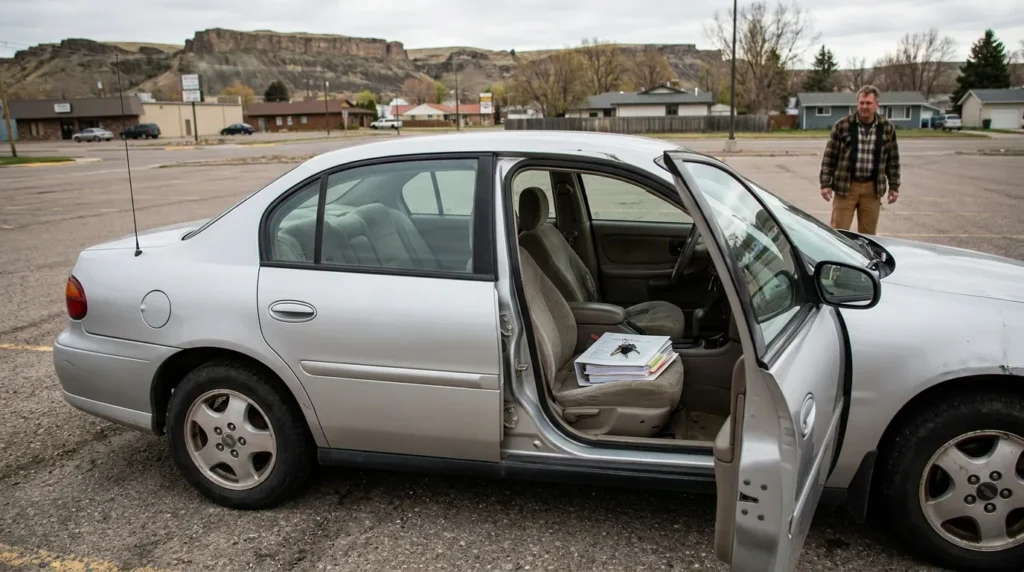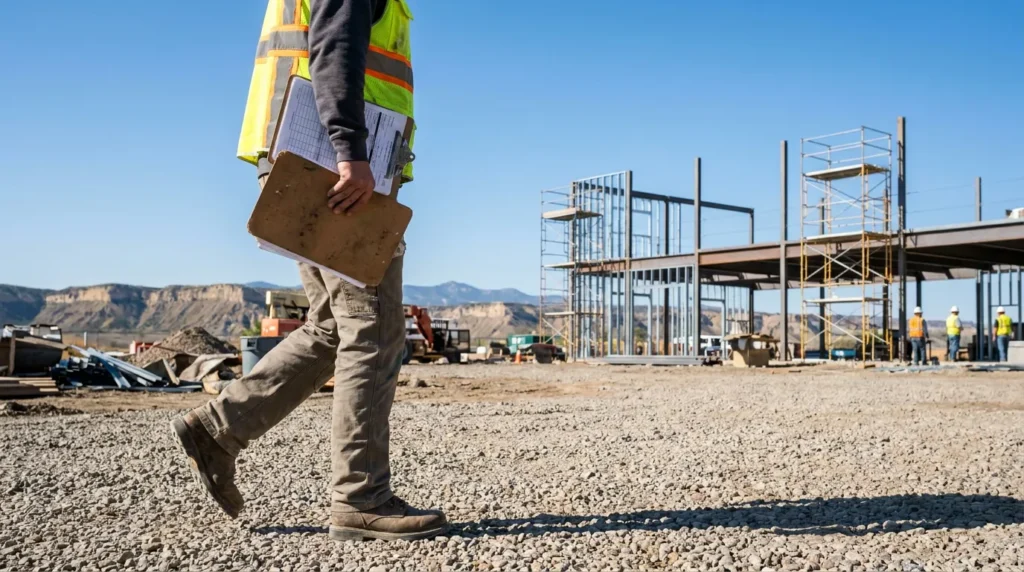

Recovering from a workplace injury can be one of the most stressful periods in your life. The physical pain, emotional strain, and financial uncertainty that follow an accident can leave you unsure of your next steps—especially when it is time to return to work. Montana law provides clear protections for injured workers, but navigating the system can be complicated without proper guidance. At Miller Tourtlotte Law, PLLC, we help injured Montanans understand their rights and secure the benefits they are entitled to under state law.
The Foundation of Workers’ Compensation in Montana
Montana’s workers’ compensation laws are codified in Title 39, Chapter 71 of the Montana Code Annotated (MCA). These statutes form the framework for the compensation and medical benefits available to employees injured in the course and scope of employment. Under MCA § 39-71-407, an employee is entitled to benefits for injuries that arise out of or occur in the course of employment, regardless of fault.
Employers in Montana are generally required to maintain workers’ compensation coverage for all employees. This coverage is not optional—it is a legal requirement designed to protect both workers and employers. When an injury occurs, workers’ compensation is typically the exclusive remedy, meaning that an employee cannot sue their employer directly for negligence in most circumstances.
Timely reporting is essential. Under MCA § 39-71-603, an injured worker must provide written notice of the injury to the employer within 30 days of the accident. Failure to comply with this deadline may lead to denial of benefits unless an exception applies.
Medical Treatment and Your Right to Care
Once an injury is reported, the employer’s insurer becomes responsible for covering reasonable and necessary medical treatment as provided under MCA § 39-71-704. This includes physician visits, hospital care, surgery, medication, physical therapy, and rehabilitation.
In some cases, you may have the right to select your treating physician. However, if your employer has an approved managed care plan, you may be required to choose a doctor within that network. The insurer must pay for approved treatment directly; you should not be asked to pay out of pocket for covered services.
If a dispute arises regarding medical treatment—such as a denial of a procedure recommended by your physician—you may request mediation through the Montana Department of Labor and Industry and, if necessary, pursue a hearing before the Montana Workers’ Compensation Court as authorized under MCA § 39-71-2901.
Compensation for Lost Wages
When your injury prevents you from returning to work, Montana law provides for several forms of wage-loss compensation. These benefits are designed to replace a portion of your lost income during recovery.
If you are completely unable to work, temporary total disability (TTD) benefits may be available under MCA § 39-71-701. These benefits are generally calculated as two-thirds of your gross weekly wage, subject to statutory limits. TTD benefits continue until you reach maximum medical improvement (MMI) or are released to return to suitable employment.
If you can return to work but only part-time or in a lower-paying position because of your injury, you may qualify for temporary partial disability (TPD) benefits under § 39-71-712. These benefits help compensate for the difference between your pre-injury and post-injury earnings.
For workers whose injuries result in lasting impairments, permanent partial disability (PPD) and permanent total disability (PTD) benefits may apply under §§ 39-71-703 and 39-71-702. Determining whether an injury qualifies as permanent and the extent of the disability often requires medical evaluations and, in some cases, legal advocacy to ensure proper classification and compensation.
Returning to Work: Rights, Restrictions, and Employer Obligations
Returning to work after an injury is often a milestone—but it must be done safely and lawfully. Your treating physician determines when you are medically able to resume work and whether restrictions are necessary. Employers are expected to make reasonable accommodations, such as modified or light-duty assignments, consistent with your medical limitations.
It is unlawful for an employer to retaliate against an employee for filing or pursuing a workers’ compensation claim. MCA § 39-71-317 prohibits discrimination or discharge based on a worker’s claim for benefits. Retaliation can include termination, demotion, reduction in hours, or creating a hostile work environment. Workers who experience retaliation may pursue remedies through the Montana Human Rights Bureau or civil litigation.
If your employer pressures you to return before your doctor releases you or assigns work inconsistent with your restrictions, you have the right to refuse unsafe work. Always follow your medical provider’s recommendations and document any instances of pressure or retaliation.
Vocational Rehabilitation and Reemployment Assistance
When an injury prevents you from returning to your prior occupation, vocational rehabilitation services may be available under MCA § 39-71-1011. These services can include retraining, education, or job placement assistance tailored to your skills and physical capabilities.
A vocational rehabilitation counselor may work with you to identify employment opportunities that align with your abilities. If you disagree with a proposed rehabilitation plan, you have the right to challenge it. The objective of these programs is not merely to place you in any job, but to ensure you can return to meaningful, sustainable employment.
Disputed or Denied Claims
Not all claims are approved without issue. Insurance carriers sometimes deny benefits, delay payments, or dispute the extent of medical care or disability ratings. If your claim is denied, you have the right to challenge that decision through the administrative process.
Under MCA § 39-71-2401, disputes typically begin with mediation through the Department of Labor and Industry. If mediation fails to resolve the issue, you may appeal to the Workers’ Compensation Court, which has exclusive jurisdiction over such disputes.
Because these matters involve procedural deadlines and evidentiary requirements, legal representation is often critical. An attorney can ensure that your rights are preserved, deadlines are met, and the evidence supporting your claim is properly presented.
Third-Party Liability and Additional Recovery
While workers’ compensation provides essential benefits, it does not cover every type of loss. Pain and suffering, for example, are not compensable under workers’ compensation. However, if a third party—someone other than your employer or a co-worker—was responsible for your injury, you may have a third-party personal injury claim.
For example, if you were injured by defective equipment, a negligent contractor, or a careless driver while working, you may be entitled to pursue a separate lawsuit seeking full damages. These claims can proceed in addition to, not instead of, your workers’ compensation claim. Coordinating both claims properly is complex and requires experienced legal guidance.
Montana Workers’ Compensation Attorney
Returning to work after a workplace injury can be one of the most difficult transitions you will face. The laws governing workers’ compensation in Montana are intricate and often misunderstood, but you do not have to navigate them alone. A Montana workplace injury lawyer can help ensure that your rights are protected, your benefits are paid, and your recovery is handled according to law.
At Miller Tourtlotte Law, PLLC, we represent injured workers across Montana in workers’ compensation and personal injury matters. We understand how to interpret the statutes, evaluate medical and vocational evidence, and hold insurers accountable when they fail to meet their legal obligations.
Contact Miller Tourtlotte Law, PLLC for a Free Consultation
If you have been injured at work and are preparing to return or have questions about your benefits, now is the time to seek professional legal advice. The process can be technical, and mistakes can cost you valuable compensation. Let our firm provide the guidance and advocacy you deserve.
For personalized assistance and a free consultation, contact a Montana workers’ compensation lawyer at Miller Tourtlotte Law, PLLC by calling (406) 888-2222 or contacting us online. Our attorneys are ready to help you understand your rights and protect your future under Montana law.