
That Phone Call From the Other Driver’s Insurance Company
Key Takeaways: In most cases, you are generally not legally required to give a recorded statement to the other driver’s insurance company after a Montana car crash, that interview is typically voluntary, even when an adjuster’s framing makes it sound procedural. Montana’s duties under Title 61, Chapter 7, Part 1 run to law enforcement and the Department of Justice, and the confidentiality protection in Mont. Code Ann. § 61-7-114 applies to reports filed under that part, not to what you say to a private insurer. Because Mont. Code Ann. § 27-1-702 may reduce your damages by your share of fault and bars recovery entirely if your negligence is greater than the combined negligence of those you are seeking recovery from, casual guesses about speed, distraction, or your injuries can carry real financial weight. Your own insurer is a different matter, since your policy likely includes a duty-to-cooperate clause, though timing, scope, and having counsel present are often negotiable. If you do speak with the other driver’s adjuster, stick to basic facts, decline recording clearly, and avoid settlement figures on a first call. Consistent medical treatment and documentation may help your claim far more than any conversation with an adjuster.
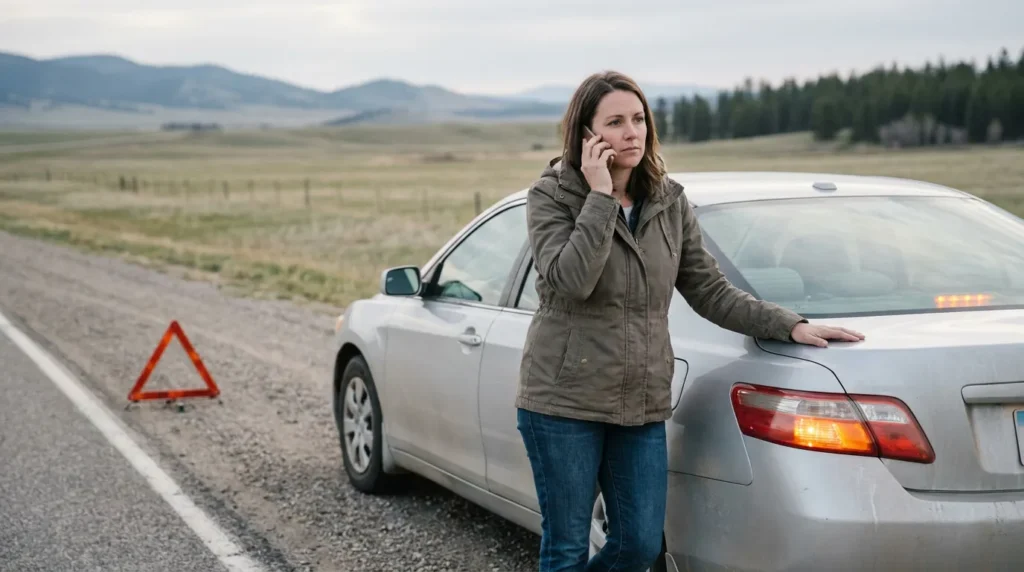
Short answer: in most situations, you are generally not legally required to give a recorded statement to the other driver’s insurance company after a Montana crash. That call often comes fast, sometimes within a day or two, while you are still sore and figuring out who is paying your medical bills. You can be polite, decline the recording, and take time to get advice first. Your own policy is a different story, covered below.
If an adjuster is already calling and you are not sure what to say, talk to Miller Tourtlotte Law before you hit record. Call 406-888-2222 or reach out to our team and we will tell you straight what your options look like.
What Montana Law Actually Requires After a Crash
Montana law does put real duties on drivers after a collision, but giving a recorded statement to an insurance company is generally not one of them. Under the state’s accident reporting statutes, Mont. Code Ann. Title 61, Chapter 7, Part 1 covers stopping at the scene, exchanging identifying information, and rendering reasonable aid to anyone hurt. Those obligations generally run to law enforcement and the Montana Department of Justice, not to a private insurer.
There is a meaningful legal difference between a statutory accident report and an adjuster’s recorded call. Mont. Code Ann. § 61-7-114 provides that required accident reports must be without prejudice to the individual reporting and are confidential for limited statutory purposes, subject to specific exceptions. Mont. Code Ann. § 61-7-109 sits in that same framework and generally requires the driver in a crash involving injury, death, or property damage over $1,000 to report in writing within 10 days unless law enforcement already investigated and reported it. A recorded statement to a third-party adjuster carries no comparable statutory protection, and it can be quoted back at you months later.
So Why Does the Adjuster Sound Like It’s Mandatory?
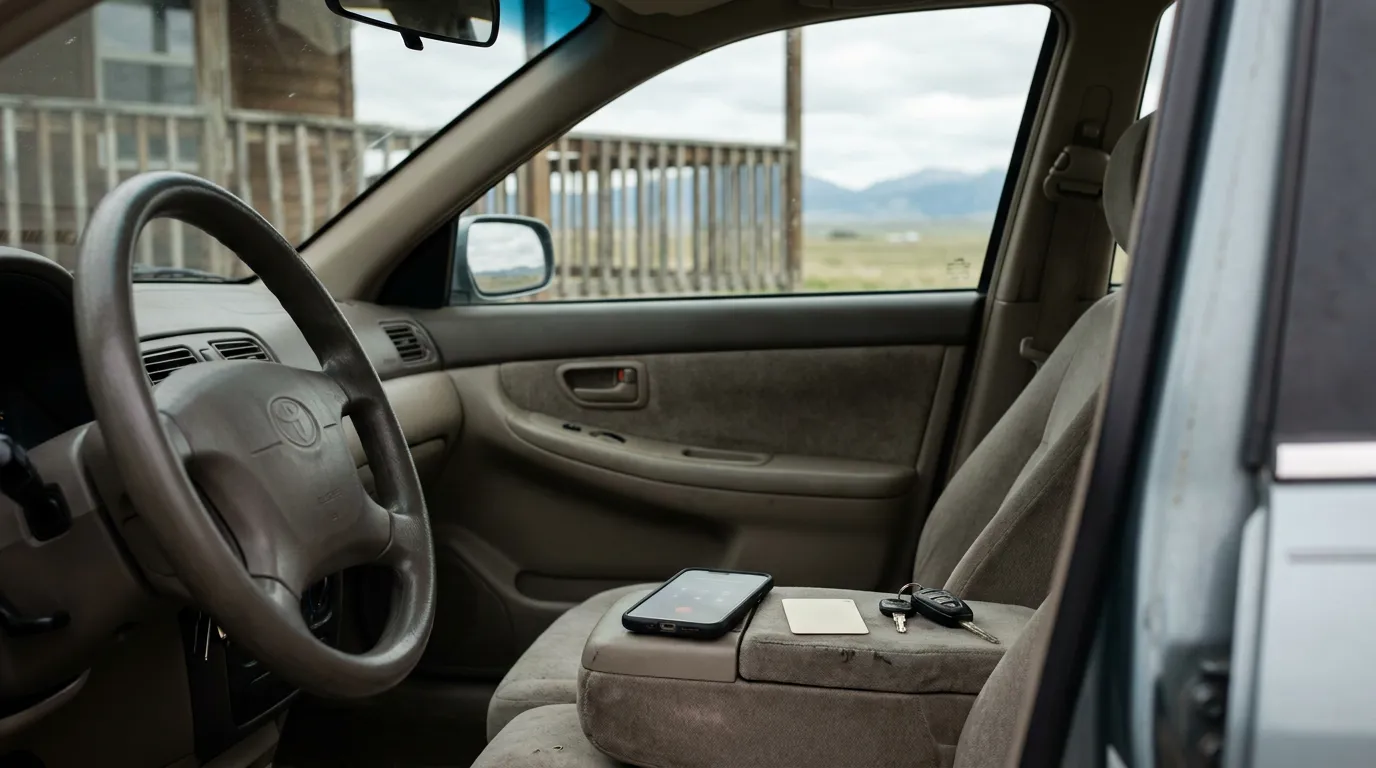
Adjusters rarely say you are required to give a statement, but the framing often suggests the claim cannot move without one. Phrases like "I just need to get your statement so I can process this" make it feel procedural. In practice, a third-party adjuster statement in Montana is generally a voluntary interview conducted by someone whose employer may benefit when your claim is worth less.
Why a Recorded Statement Is Risky
The risk is not that you will lie. The risk is that you may guess, minimize, or answer a question you don’t have enough information to answer yet. Nolo notes that insurance adjusters "are trained to ask questions in a way that might get you to say something that could hurt your claim." Saying "I’m doing okay" out of politeness on day three can become an argument that your injuries were minor, even if a disc herniation shows up on imaging six weeks later.
Montana’s comparative negligence rule is the other half of why this matters. Under Mont. Code Ann. § 27-1-702, an injured person’s damages must be reduced in proportion to their own percentage of negligence, and recovery is barred if their negligence is greater than the negligence of the person, or combined negligence of all persons, against whom recovery is sought. A casual "I might have been going a little fast" is not just small talk, it’s a sentence an insurer may use to push your fault percentage up, and every point assigned to you can shrink what you may recover.
Common questions that tend to cause trouble:
- "How fast were you going?" when you genuinely do not know
- "Are you injured?" before you have finished medical evaluation
- "Had you been distracted at all?" phrased as a friendly aside
- "Can you describe exactly what happened?" when your memory is still foggy
- "Would you say it was partly your fault?" framed as a fairness question
💡 Pro Tip: If you already gave a statement before reading this, do not panic. A statement is generally one piece of evidence, not a verdict, and an attorney can often provide context, medical records, and correction. Just do not give a second one without advice.
Your Own Insurer Is a Different Conversation
Declining the other driver’s adjuster does not mean you can ignore your own company. Nolo explains that your own auto policy likely requires you to cooperate with your insurer’s investigation, commonly called a duty-to-cooperate clause. Refusing outright may create coverage problems, especially where you are pursuing underinsured or uninsured motorist benefits.
Cooperating and improvising are not the same thing. You can often satisfy a cooperation obligation while still asking to schedule the call, requesting questions in advance, reviewing your own records first, or having counsel present, though flexibility depends on your policy language and insurer. The claims process overview from the National Association of Insurance Commissioners is useful background, though your specific duties generally come from your policy language.
| Situation | Generally required? | Practical note |
|---|---|---|
| Report to law enforcement / MT DOJ | Yes, in the circumstances described in Title 61, Ch. 7, Pt. 1 | Statutory reports are generally confidential under § 61-7-114, subject to its exceptions |
| Recorded statement to other driver’s insurer | Generally no | Typically voluntary; may be used to argue comparative negligence |
| Cooperation with your own insurer | Usually, per policy terms | Scope and timing are often negotiable |
| Signing a blanket medical authorization | Generally no | Consider limiting scope; get advice first |
Handling the Call Without Hurting Your Claim
If you do speak with the other driver’s insurer, keep it short, factual, and free of speculation. Nolo’s guidance on dealing with the other driver’s insurer suggests you stick to the basic facts like date, location, and who was involved, and avoid guessing about fault or injury extent. "I’m still treating and I’d rather not estimate" is a complete answer.
A few habits may protect your position without making you look difficult. Write down the adjuster’s name and claim number. Say clearly that you are declining to be recorded rather than trailing off. Avoid agreeing to a settlement figure on a first call, since early offers rarely account for treatment that hasn’t happened yet. Our guide to the most common mistakes after a crash covers other places people unintentionally hurt their own cases.
What Actually Helps Your Claim More Than Talking
Documentation tends to carry more weight than any conversation you have with an adjuster. Consistent medical treatment, records of missed work and lost wages, and a simple daily note about pain levels and limitations can build a picture that’s hard to argue with. A recorded call, by contrast, may mostly create material for someone else to work with.
💡 Pro Tip: Gaps in treatment are often one of the first things an insurer looks for. If you need to delay care for scheduling or cost reasons, tell your provider why so it appears in the record.
When It Makes Sense to Bring in a Lawyer
Nolo recommends considering a conversation with a personal injury lawyer before giving a recorded statement to any insurance company, and that advice fits Montana’s fault rules well. You do not need a catastrophic injury to justify a call. If you’re getting ongoing treatment, missing work, dealing with multiple insurers, or being asked to sign forms you don’t understand, that’s often the point where guidance may pay off. Our team handles car accident claims in Montana from that first adjuster call through resolution.
Outcomes always depend on the specific facts, and nobody honest can promise you a result. What an attorney may do is take the pressure off the phone calls, help keep your statements consistent with your medical record, and push back when an early offer doesn’t match what you’re actually going through.
Frequently Asked Questions
1. Do I have to give a recorded statement if I want my medical bills covered?
Generally, no, not to the other driver’s insurer. Payment of your injury claim is generally not conditioned on you agreeing to be recorded, though an insurer may still investigate and request information before deciding a claim. Your own policy may involve different cooperation obligations depending on the coverage claimed, so review your policy terms or ask an attorney.
2. Can I change my mind after agreeing to a recorded call?
You can generally decline to continue or decline follow-up interviews from the other driver’s insurer. A statement already given generally cannot be erased, but it can often be supplemented with medical records and clarification. Speak with counsel before the next contact so the record stays consistent.
3. Will refusing look like I have something to hide?
Declining a recorded statement to the other driver’s insurer is a common step, and it is generally not an admission of anything. Adjusters deal with represented claimants every day. Claims are generally evaluated on evidence like medical documentation and liability facts, rather than how agreeable you sounded on the phone.
4. Does the police report settle who was at fault?
Generally not on its own. Reports filed with the department under Title 61, Chapter 7, Part 1 are generally confidential and without prejudice to the person reporting under Mont. Code Ann. § 61-7-114, subject to that statute’s exceptions, and fault in a civil claim is ultimately decided based on the full body of evidence. A responding officer’s observations are one input among several, and their admissibility can depend on the rules of evidence.
5. How does Montana’s comparative negligence rule affect what I say?
Because damages must be reduced by your share of negligence under Mont. Code Ann. § 27-1-702, any statement suggesting partial responsibility could reduce recovery. If your negligence is found greater than the combined negligence of those you seek recovery from, practically, more than 50%, recovery is barred entirely. That’s why unprepared speculation about speed, distraction, or road conditions can carry real financial consequences.
The Bottom Line Before You Pick Up the Phone
You are generally free to say no to a recorded statement after a car accident when the request comes from the other driver’s insurance company, while your own policy likely obligates you to cooperate with its investigation in some form. Montana’s statutory reporting duties generally run to law enforcement and the Department of Justice, and the confidentiality protection in Mont. Code Ann. § 61-7-114 covers reports filed under that part rather than what you tell an adjuster. With Mont. Code Ann. § 27-1-702 tying recovery to your percentage of negligence, a few unguarded sentences can matter more than most people expect. Take your time, get your treatment documented, and get advice before you talk.
You do not have to figure this out alone with a stack of paperwork in front of you. Reach out to Miller Tourtlotte Law at 406-888-2222 or start your free consultation, and we will walk you through the next step.
Disclaimer: This content is for informational purposes only and is not legal advice. Every case is unique, and results may vary. Consult an attorney about your specific circumstances.