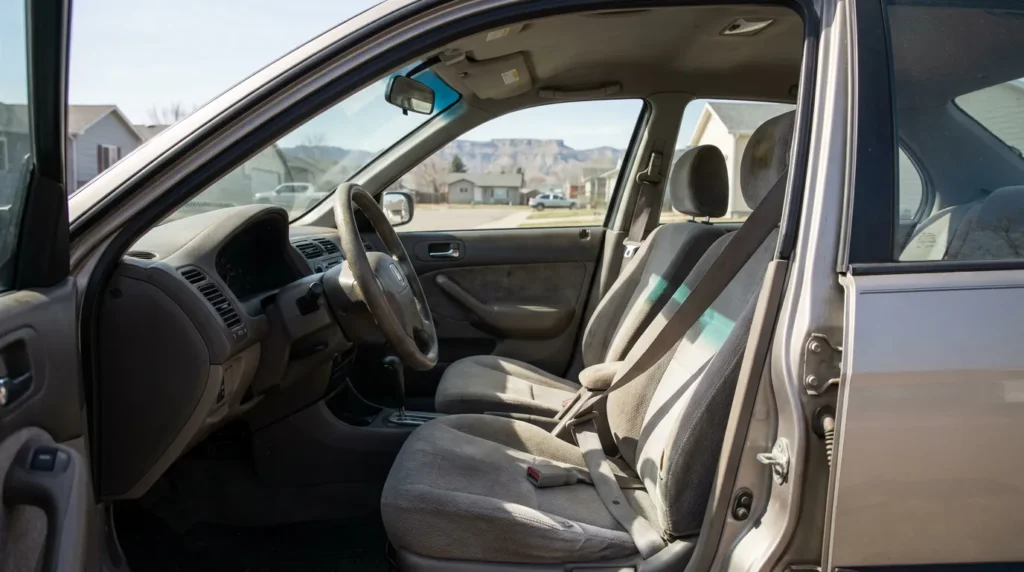

The Seat Belt Question Insurance Adjusters Love to Ask
Key Takeaways: Under Montana injury law, not wearing a seat belt is generally not your fault in the legal sense, because Mont. Code Ann. § 61-13-106 makes evidence of compliance or non-compliance with the seat belt requirement inadmissible in civil actions for personal injury or property damage arising from motor vehicle use, and provides that non-compliance does not constitute negligence. Because the evidence is generally inadmissible, an insurer has no admissible basis for reducing recovery on that ground, though the statute does not regulate settlement negotiations. Mont. Code Ann. § 27-1-702 sets Montana’s modified comparative negligence rule, which reduces damages proportionally and bars recovery when the claimant’s negligence exceeds that of the parties from whom recovery is sought. The practical risk is often the negotiating table, where adjusters may raise the seat belt issue to justify low offers a court would likely not allow. Comparative fault may still apply to actual driving conduct such as speed or right-of-way, but generally not to safety belt use. Consistent medical treatment and clear documentation often protect your recovery more than any single legal argument.
If you were hurt in a Montana crash without a seat belt on, the adjuster will probably bring it up fast. Under Montana law, your failure to wear a seat belt generally cannot be used against you as evidence of negligence in a civil injury case. Mont. Code Ann. § 61-13-106 bars that evidence, and Mont. Code Ann. § 27-1-702 addresses how a claimant’s own negligence affects recovery. In most cases, the driver who caused the wreck is still responsible for it.
If an adjuster is hinting your injuries are your own fault, talk it through with Miller Tourtlotte Law before you give a recorded statement or sign anything. Call 406-888-2222 or reach out to our team and get a straight answer about where you stand.
What Montana’s Seat Belt Statute Actually Says
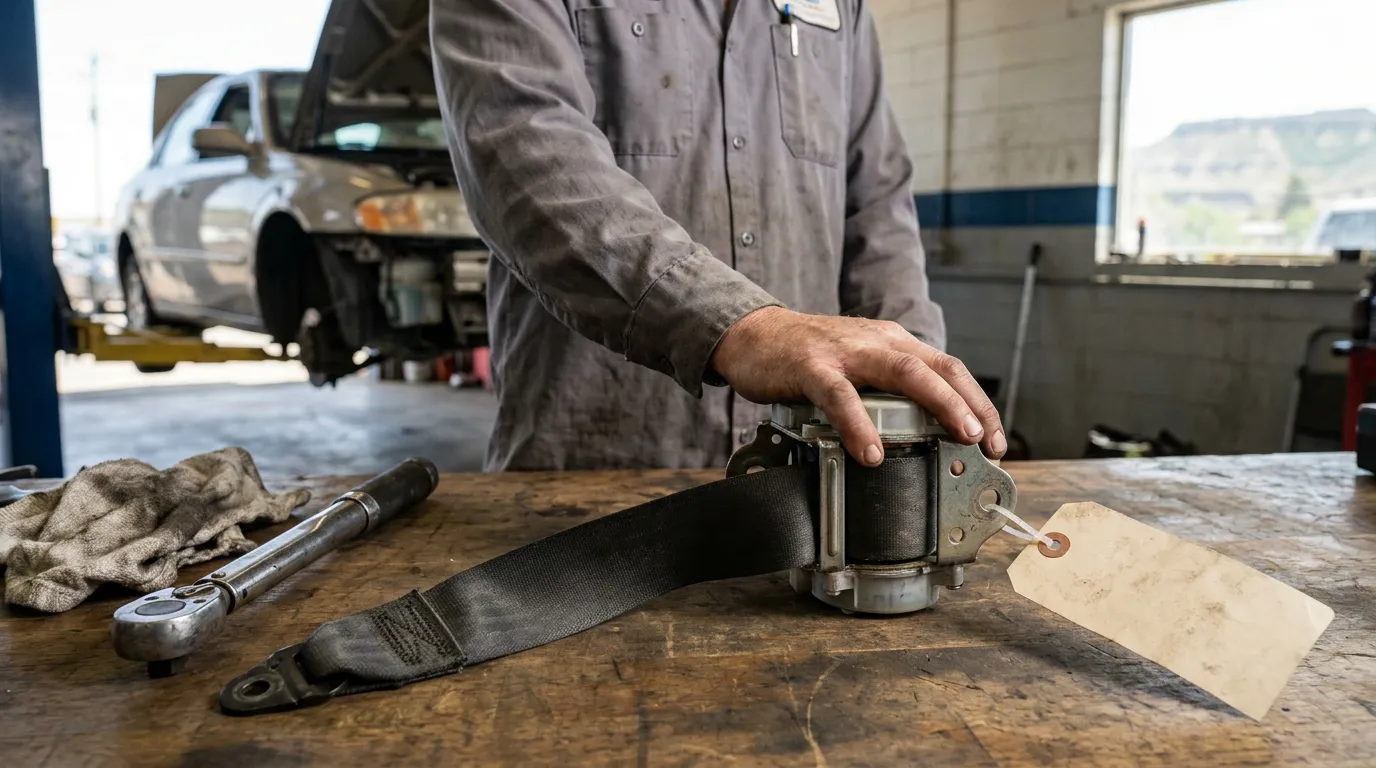
Montana’s statutory scheme generally keeps seat belt non-use out of the liability fight. Mont. Code Ann. § 61-13-106 provides that evidence of compliance or failure to comply with the seat belt requirement in § 61-13-103 is not admissible in a civil action for personal injury or property damage from vehicle use, and that failure to comply does not constitute negligence. A defense lawyer generally cannot argue you were negligent simply because the belt was unbuckled.
The statute functions as both an evidentiary bar and a substantive rule that non-use is not negligence. A defendant ordinarily has no lawful basis to argue you should collect less because you did not buckle up. The Legislature did not want injured people blamed for how bad their injuries turned out when someone else caused the crash.
Why the Legislature Drew That Line
Montana lawmakers made a policy choice about where blame belongs. Legal scholarship, including analysis published in the Montana Law Review, traces how states wrestled with whether non-use should count as failure to mitigate injuries. Montana landed on keeping that argument out of the civil actions the statute covers, and bills to make seat belt evidence admissible have been introduced without becoming law.
That does not mean seat belts do not matter. Wearing one is still required, subject to exceptions in § 61-13-103, and remains the safest choice. The point is narrower: your choice in that moment generally does not become a weapon for the other driver’s insurer.
How the Seat Belt Defense Usually Shows Up
Most of the time, the seat belt issue never reaches a courtroom. It shows up on the phone with an adjuster, in a letter explaining a low offer, or as a vague suggestion that "comparative fault" applies to you. This tactic is often used at the negotiating table precisely because the evidentiary bar applies in litigation, and plenty of people never get that far.
Here is what that pressure typically looks like:
- An adjuster asks, early and casually, whether you were belted, then records the answer
- The offer arrives with an unexplained percentage "reduction for your own negligence"
- You are told your injuries "would not have been this severe" if you had buckled up
- The insurer moves quickly, hoping you take a number before you understand the rules
None of that necessarily reflects what a court would allow. It reflects what an insurer thinks you will accept.
💡 Pro Tip: You are generally not required to give the other driver’s insurer a recorded statement. If asked on tape about your seat belt, it is reasonable to say you will follow up after speaking with a lawyer.
Fault Allocation and Montana’s Comparative Negligence Rule
Montana uses a modified comparative negligence system, and understanding it takes the fear out of the adjuster’s script. Under Mont. Code Ann. § 27-1-702, contributory negligence generally does not bar recovery as long as the claimant’s negligence is not greater than the combined negligence of the parties against whom recovery is sought. If some fault is assigned to you, your damages are reduced proportionally rather than wiped out.
Montana sits among the modified comparative negligence states in national surveys, with recovery generally cut off once a claimant’s share exceeds 50 percent. Related provisions, including Mont. Code Ann. § 27-1-703, address how fault gets apportioned among multiple parties. For a plain-language walkthrough, see our breakdown of Montana comparative negligence.
| What the insurer implies | What Montana law generally provides |
|---|---|
| Not buckling up makes you negligent | § 61-13-106 provides that failure to comply with the seat belt requirement does not constitute negligence and is not admissible in covered civil actions |
| Your payout drops because of the belt | With the evidence inadmissible, a defendant generally cannot use non-use to reduce damages in a covered civil action |
| Any fault of yours ends the claim | Under § 27-1-702, recovery is reduced proportionally and is barred only when your negligence is greater than that of the parties you are suing |
| Fault is decided by the adjuster | Fault allocation is ultimately a question for the finder of fact, subject to the rules of evidence |
Fault Still Depends on the Facts
Comparative negligence can still apply to actual driving conduct. Speed, following distance, right-of-way, and impairment may all be at issue, and the finder of fact may consider them when apportioning fault. The seat belt rule shields a claimant only from the specific argument about safety belt use.
Montana Supreme Court decisions, including the opinion in DA 22-0062, show how courts work through liability and damages in collision cases. Outcomes turn on the at-fault driver’s conduct and the evidence in the record. Every case is fact-dependent.
Where the Rule Has Limits You Should Know About
A statutory protection is only as strong as your ability to use it. Two practical limits matter. First, evidentiary bars operate in court. If you settle directly with an insurer, no judge enforces the rule for you, and the discount may stay in the offer unless you push back.
Second, the statute’s reach can be fact-specific. Its text addresses civil actions for personal injury or property damage from vehicle use, and questions can arise about how it applies to other claim types, such as product liability against a vehicle manufacturer, or to occupants exempt from the belt requirement. That is worth knowing before assuming the issue is automatically closed.
What Tends to Actually Protect Your Recovery
Documentation of your injuries often does more work than any legal argument about belts. Consistent medical treatment, honest reporting of symptoms, and a clear record of how injuries affect your work and daily life are the kinds of evidence that support compensation. Gaps in treatment may give insurers something real to argue about, unlike the seat belt.
If you are sorting out medical bills and lost wages while still healing, our page on Montana car accident injury claims walks through what the process generally involves.
💡 Pro Tip: Keep a short weekly note about pain levels, missed shifts, and activities you had to skip. It takes two minutes and is often more persuasive later than memory alone.
Frequently Asked Questions
1. Can the other driver’s insurance company legally reduce my settlement because I was not wearing a seat belt?
An insurer can offer whatever it wants during negotiation, and nothing forces it to explain its math. What a defendant generally cannot do is introduce seat belt non-use in a covered civil action to prove negligence, because Mont. Code Ann. § 61-13-106 makes that evidence inadmissible and states non-use is not negligence. That gap between what is offered and what is admissible is exactly where a lawyer’s involvement can matter.
2. Does Montana’s rule mean I automatically win my case?
No. The seat belt rule addresses one specific argument. You still need to establish the other driver’s negligence caused your injuries, and fault allocation under § 27-1-702 may still reduce recovery based on other conduct.
3. What if I was a passenger rather than the driver?
Passengers are generally in a strong position because they are rarely responsible for how the vehicle was operated, though conduct such as distracting the driver or knowingly riding with an impaired driver can still be raised. The statutory bar on seat belt non-use evidence applies to occupants generally, not just drivers. Crash victim rights generally do not depend on which seat you were in.
4. I already told the adjuster I was not buckled up. Did I ruin my claim?
Probably not. An admission does not change what is admissible in a covered civil action under the statute, although what you say in a recorded statement can be used in other ways. Tell your attorney exactly what you said so it can be addressed directly rather than discovered later.
5. How long do I have to bring a Montana injury claim?
Montana generally allows three years from the date of injury for a negligence-based personal injury claim under Mont. Code Ann. § 27-2-204, but deadlines vary by claim type and defendant. Claims against government entities involve separate notice and presentment requirements distinct from the lawsuit deadline. Because tolling rules are limited and missing a deadline can end a claim, it is worth confirming your specific dates early.
The Bottom Line for Montana Crash Victims
Not wearing a seat belt generally does not make a crash your fault under Montana injury law. Mont. Code Ann. § 61-13-106 keeps that evidence out of covered civil actions and provides that non-use is not negligence, and Mont. Code Ann. § 27-1-702 limits how comparative fault affects recovery. The real risk is often not the statute. It is accepting an insurer’s blame-shifting at face value before anyone explains the argument would likely not hold up.
If an insurance company is using your seat belt against you, let Miller Tourtlotte Law take a look at what happened. Call 406-888-2222 or schedule a conversation with us, and we will walk you through the next step so you are not guessing your way through it.
Disclaimer: This content is for informational purposes only and is not legal advice. Every case is unique, and results may vary. Consult an attorney about your specific circumstances.