
What CRPS Can Look Like in the First Weeks After a Montana Work Injury
Key Takeaways: Complex regional pain syndrome (CRPS) can develop after an ordinary workplace injury to an arm, hand, leg or foot, and its early signs are easy to mistake for normal healing. Five early warning signs are burning pain out of proportion to the injury, swelling that won’t go down, changes in skin color or temperature, sweating changes, and changes to hair, nails or skin. Montana law generally requires objective medical findings, so dated photos, a daily symptom log and clear reports to your doctor can help back up a CRPS workers’ comp claim. For injury claims, deadlines generally start on the day of the accident, not the day you’re diagnosed: in most cases, you have 30 days to notify your employer or insurer and 12 months to file a written claim. Insurers often push back by questioning the diagnosis, arguing it isn’t work-related, sending you to insurer-arranged exams or offering low settlements. Seeing a doctor quickly and talking with a workers’ comp attorney early can help protect both your health and your claim.
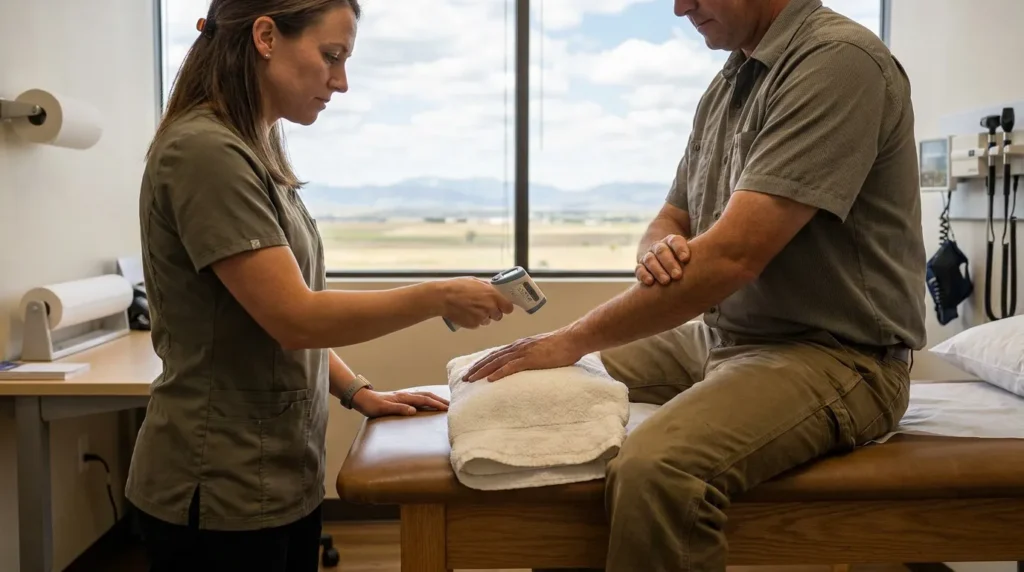
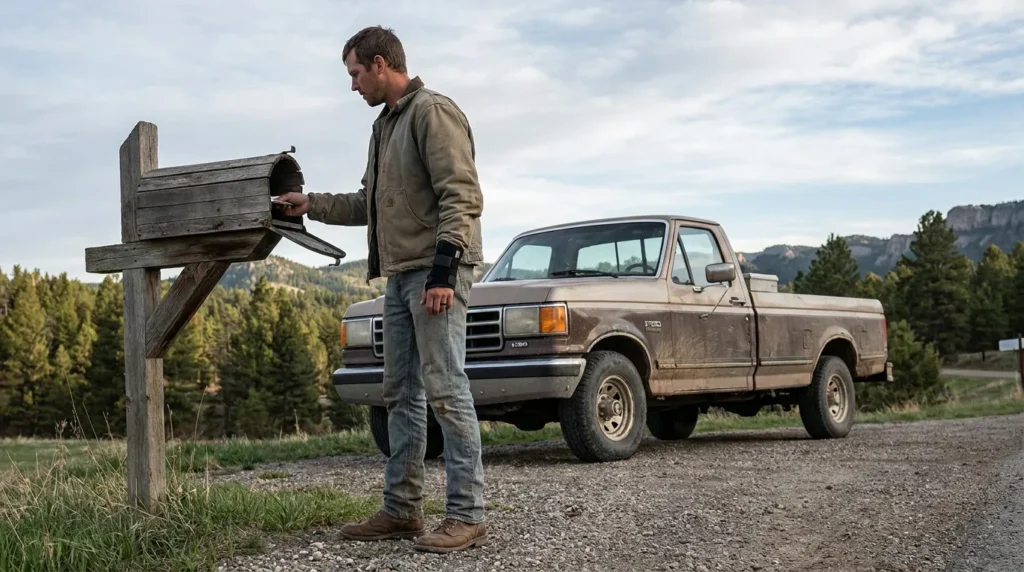
Complex regional pain syndrome (CRPS) is a nerve-related pain condition that can develop after an ordinary workplace injury, and the early signs are easy to write off as normal healing. Watch for five warning signs: burning pain out of proportion to the injury, swelling that won’t go down, changes in skin color or temperature, sweating changes, and changes to your hair, nails or skin. If you work construction, drive truck or spend all day on your feet, you may be tempted to tough it out. That could hurt your health and your claim. Montana’s notice deadlines are short, and a CRPS workers’ comp claim often depends on what got written down early.
If you think something is off after a work injury, you don’t have to sort it out alone. Miller Tourtlotte Law helps injured workers across Montana understand their options. Call us at 406-888-2222 or reach out to our team today to talk through what’s going on.
The 5 Early CRPS Warning Signs to Watch For
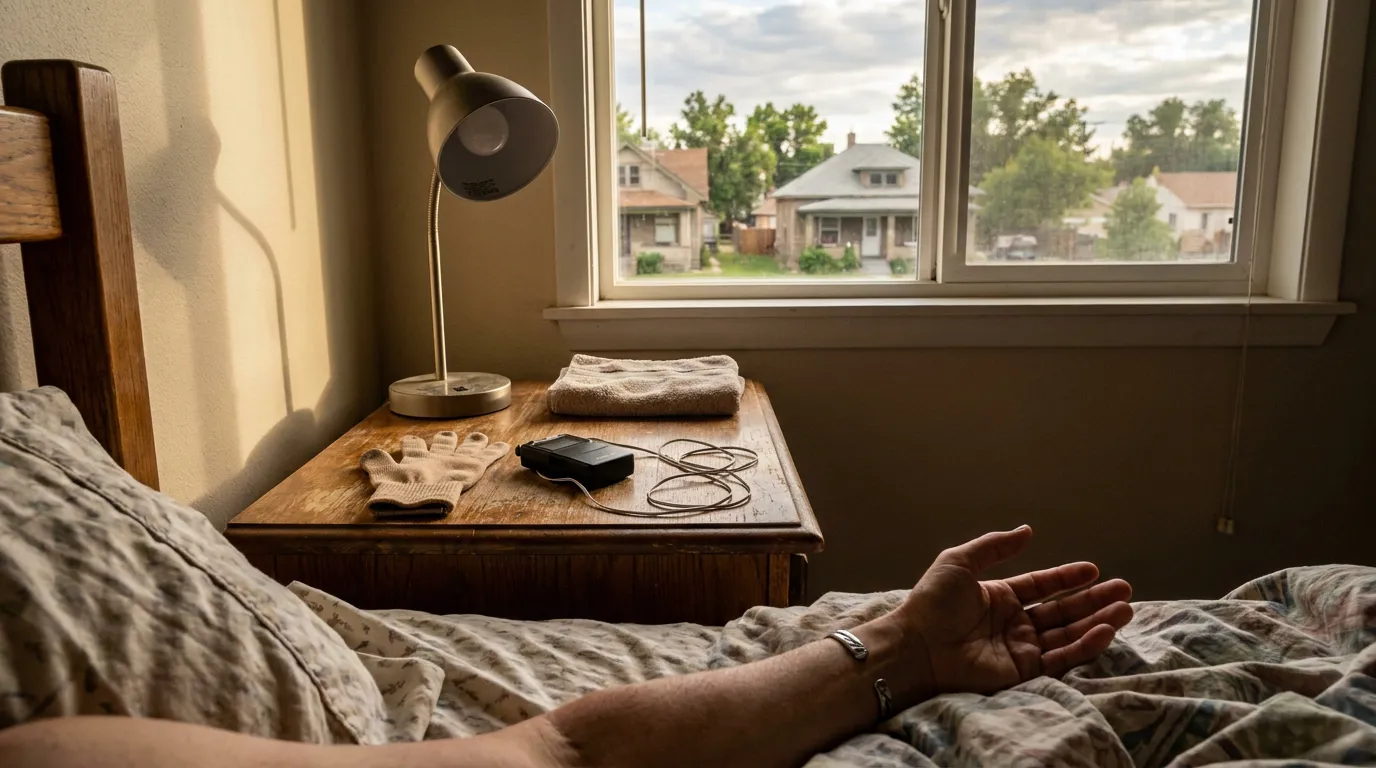
CRPS usually starts after an injury to an arm, hand, leg or foot, and the symptoms tend to be worse than the original injury would explain. Doctors generally diagnose it from a pattern of symptoms, not one test, so notice these signs and tell your doctor.
1. Burning Pain That Doesn’t Fit the Injury
The most common early sign is burning, stabbing or "electric" pain that’s far worse than the injury itself. A sprained wrist would usually improve over a few weeks. With CRPS, it can feel worse over time. Some people say even a bedsheet or light breeze hurts. Tell your doctor in plain words and ask them to write it down.
2. Swelling That Won’t Go Down
Swelling right after an injury is normal, but swelling that lasts or comes and goes for weeks can be a warning sign. The injured limb may look puffy compared to the other side. Take dated photos of both limbs side by side to help if the insurer questions how bad things were.
3. Skin Color and Temperature Changes
CRPS swelling and skin color changes often show up together, with the skin turning red, blotchy, purple or pale. The injured limb may feel warmer or colder than the healthy one. These changes can shift day to day, so a single doctor visit might miss them. Photos and a short symptom journal can fill in the gaps.
4. Sweating Changes
An injured hand or foot that sweats much more or much less than the other side is another sign worth reporting. Many workers never mention it, but doctors often look for this kind of nervous system change when checking for CRPS.
5. Changes to Hair, Nails or Skin
Over time, hair on the injured limb may grow faster or thin out, nails may become brittle, and skin may look shiny or thin. Stiffness and trouble moving the joint can follow. These later changes are why spotting CRPS early matters. Many doctors believe early treatment, such as physical therapy and pain management, may improve outcomes, though every patient responds differently.
💡 Pro Tip: Keep a simple daily log on your phone: pain level, color, swelling, temperature and what made it worse. Bring it to every appointment.
Why Visible Symptoms Matter in a CRPS Workers’ Comp Claim
Montana generally requires proof of your injury that a doctor can observe. Under MCA § 39-71-119(1)(a), "injury" means internal or external physical harm to the body that is "established by objective medical findings." CRPS pain is real, but insurers sometimes treat pain complaints with suspicion. Documented swelling, color and temperature differences, sweating changes and hair, nail or skin changes can give your doctor the objective findings that may help a claim meet this standard.
The law also requires that the injury come from an accident. Under the Montana definition of injury in MCA § 39-71-119(2), an accident is an unexpected traumatic incident or unusual strain identifiable by time and place and the body part affected, caused by a specific event on a single day or during a single work shift. CRPS after a fracture, crush injury or bad ankle sprain on a job site may often fit this definition, depending on the facts. Even so, insurers may argue CRPS came from something else, and the outcome depends on the medical evidence.
Montana Deadlines That Can Sink a CRPS Claim
The biggest legal danger with CRPS is waiting to see whether symptoms go away on their own. For injury claims, Montana’s deadlines generally start at the accident, not when you’re diagnosed. Here’s a quick summary:
| Deadline | What It Requires | Statute |
|---|---|---|
| 30 days | Notice to employer or insurer of time, place and nature of injury | MCA § 39-71-603(1) |
| 12 months | Written, signed claim to employer, insurer or Department | MCA § 39-71-601(1) |
| Up to 24 more months | Possible extension at insurer’s discretion | MCA § 39-71-601(2) |
| 1 year from knowledge | Written occupational disease claim | MCA § 39-71-601(3) |
The 30-Day Notice Rule
Under MCA § 39-71-603(1), a non-fatal injury claim generally can’t be paid unless the employer or insurer gets notice within 30 days of the accident. The notice must give the time and place of the accident and the nature of the injury. It can come from you or someone acting for you. If your employer, a managing agent or the superintendent or supervisor in charge of the work actually knew about the accident and injury, that may count as notice too. Don’t count on that. Put it in writing and keep a copy.
The 30-day rule doesn’t apply to occupational diseases, according to MCA § 39-71-603(3). Those claims have their own written filing deadline, generally one year from when you knew or should have known the condition came from an occupational disease, under MCA § 39-71-601(3). Because CRPS usually follows one traumatic event, it will often be handled as an injury claim, so the 30-day notice rule and 12-month filing deadline are the ones to watch.
The 12-Month Claim Filing Deadline
A Montana injury claim is generally forever barred unless you or your representative signs it and presents it in writing within 12 months of the accident. That’s the rule in the Montana claim filing statute, MCA § 39-71-601(1). The claim can go to the employer, the insurer or the Department of Labor and Industry.
Under MCA § 39-71-601(2), the insurer may waive this deadline for up to 24 more months if you reasonably show a lack of knowledge of disability, a latent injury or equitable estoppel. This might help someone whose CRPS was diagnosed well after the accident, but the extension is up to the insurer, so don’t plan around one. Under MCA § 39-71-601(4), filing deadline disputes generally go to mediation first and then to the Workers’ Compensation Court.
What Insurers Often Do With CRPS Claims
CRPS claims can be expensive, and insurers know it. Long-term pain management, nerve blocks, therapy and lost work time add up. In our experience, insurers may dispute whether you really have CRPS, argue it isn’t tied to the work accident or push you toward an early, lowball settlement.
The insurer may also send you to an insurer-arranged "independent" medical exam (IME). We’re skeptical of these exams. They may favor the insurer, and insurers can use them to cut or end benefits. Refusing a properly requested IME can lead to suspension of benefits, so don’t ignore one. Talk with an attorney before you go.
Watch for these common problems:
- Adjusters calling your symptoms "subjective" or "exaggerated"
- Delays in approving specialist referrals or pain treatment
- Pressure to return to full duty before you’re ready
- Settlement offers that don’t account for future medical care
Many Montanans don’t realize they need a lawyer until a claim has already gone wrong. Unlike many of the large personal injury firms in the state, our firm makes workers’ comp a core focus. Talking with a CRPS workers comp lawyer early can help you meet deadlines, build the medical record and push back when treatment is denied. We work with clients all over Montana by phone and video.
Frequently Asked Questions
1. Can I get workers’ comp for CRPS in Montana?
In many cases, you may be eligible if the CRPS traces back to a work accident, objective medical findings support it and you met the notice and filing deadlines. Insurers often dispute these claims, so strong medical records matter.
2. What if I wasn’t diagnosed with CRPS until months later?
For an injury claim, the deadlines generally still run from the accident: notice within 30 days and a written claim within 12 months. A late diagnosis may support a request to extend the 12-month deadline under MCA § 39-71-601(2), but the insurer doesn’t have to grant one.
3. Does telling my supervisor count as notice?
If your employer, a managing agent or the superintendent or supervisor in charge of the work actually knew about the accident and injury, that can count as notice under MCA § 39-71-603(1). Written notice is still the safer choice.
4. Do I have to go to an IME the insurer schedules?
Refusing can lead to suspension of benefits, but these exams can sometimes work against injured workers. Speak with an attorney before you go.
5. Is CRPS treated as an occupational disease?
Usually not. Because it typically follows a single traumatic event, CRPS is generally treated as an injury claim, though every case depends on its facts.
Don’t Let Early CRPS Symptoms Slide
Burning pain, swelling that won’t go down, color and temperature changes, sweating changes and changes to hair, nails or skin are all reasons to see a doctor quickly and get it documented. Montana’s 30-day notice rule and 12-month filing deadline generally don’t wait for a diagnosis. Getting care early can help protect your health, and writing everything down can help protect your claim. You can find more guides for injured workers on our Montana workers’ comp blog.
The team at Miller Tourtlotte Law, a 2026 Best of Billings Readers’ Choice winner, is here to look at your paperwork and help you figure out your next step. Call 406-888-2222 or contact us now to talk with someone who understands Montana workers’ comp.
Disclaimer: This content is for informational purposes only and is not legal advice. Every case is unique, and results may vary. Consult an attorney about your specific circumstances.