

Waiting on Your First Workers’ Comp Check in Montana
Key Takeaways: In Montana, no wage loss pay is generally owed for the first 32 hours or 4 days of total wage loss, whichever is less. Temporary total disability (TTD) benefits generally start once that waiting period ends, often on the 5th day. If you’re totally disabled and can’t work in any capacity for 21 days or more, you may be paid back for those first days, back to the first day of total wage loss. Medical and hospital care has no waiting period and should generally be covered from the day you got hurt, as long as the claim is accepted. TTD generally pays 66 2/3% of your wages at the time of injury, capped at the state’s average weekly wage, so the wages the insurer counts can make a big difference to your check. Each sick leave day counts toward the waiting period, and if you later qualify for back pay you can generally either repay the sick leave or give up back pay for those days. Late paperwork, arguments over total disability, wrong wage numbers and back pay that never gets issued are common reasons first checks may be late or short.
If you got hurt on the job in Montana, you probably want to know when the money starts. No wage loss pay is generally owed for the first 32 hours or 4 days of total wage loss, whichever is less. After that, benefits generally begin, often on the 5th day. If you can’t work in any capacity for 21 days or more, you may be paid back for those first days. Your medical care should generally be covered from the day you got hurt, as long as the claim is accepted.
If your checks are late or the numbers look wrong, talk with a workers comp waiting period lawyer at Miller Tourtlotte Law. Call us at 406-888-2222 or reach out to our team today for a free talk about your claim.
How the Workers Comp Waiting Period Works in Montana
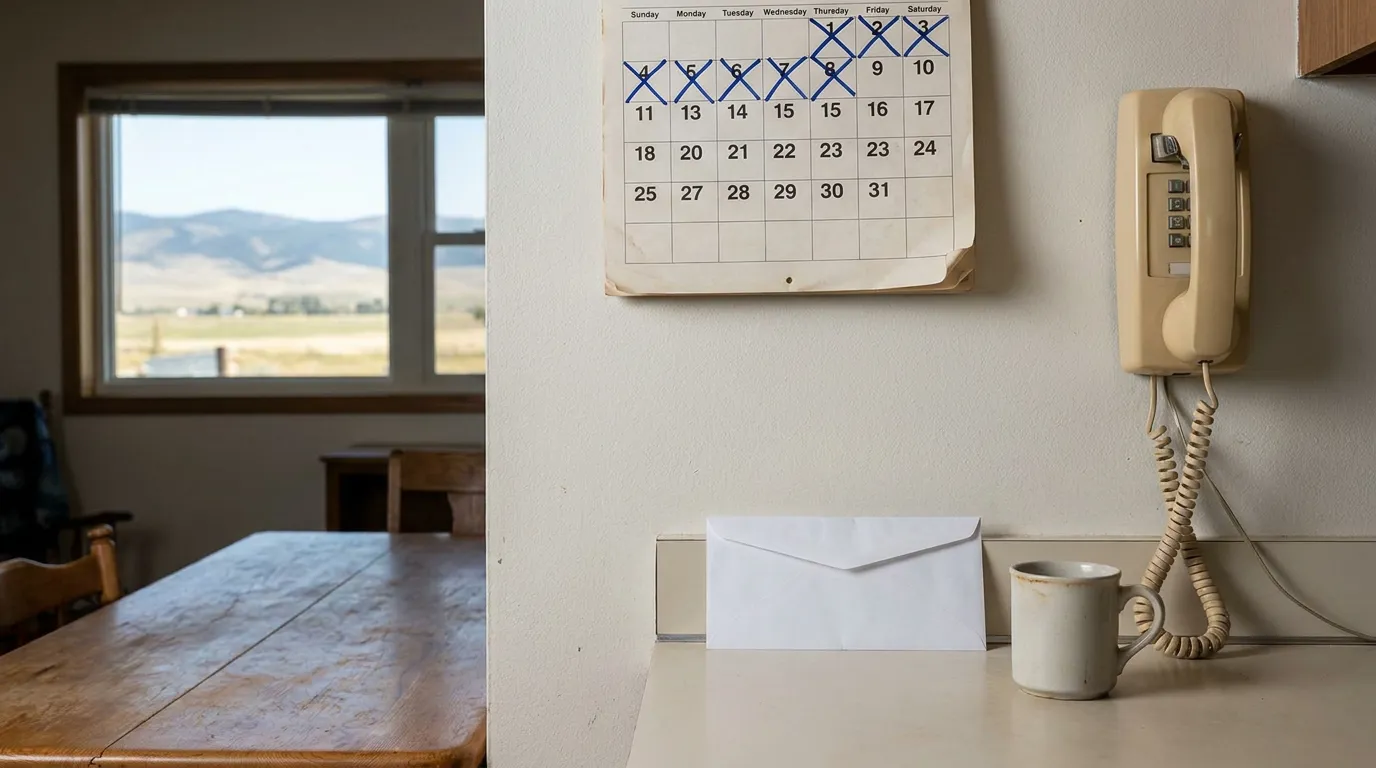
The waiting period is a stretch of unpaid days at the start of a wage loss claim. Under Montana’s waiting period statute, MCA § 39-71-736(1)(a), the insurer doesn’t pay for the first 32 hours or 4 days of total wage loss, whichever is less, while you’re totally disabled and can’t work because of the injury. Once that period ends, often on the 5th day, you may become eligible. The version of the law in effect on your date of injury generally controls.
The "whichever is less" wording matters. If you work 10-hour shifts, you could lose 32 hours before four full calendar days pass. With shorter shifts, the 4-day mark may come first. The count depends on your schedule, and that’s where mistakes tend to happen.
What Has to Happen Before Pay Starts
Temporary total disability (TTD) is the first wage loss benefit most injured workers get. Under MCA § 39-71-701(1)(a)-(b), TTD is "subject to the limitation in 39-71-736," so the waiting period applies. You generally qualify once the injury causes a total loss of wages. Benefits generally continue until you reach maximum healing or your doctor releases you to return to your old job or to work with similar physical demands.
"Total loss of wages" is often where the arguments start. If your employer brings you back on light duty for a few hours a week, or a doctor’s note is unclear, the insurer may argue you were never totally disabled. Those details can change both when your checks begin and how much you get.
When Workers Comp Pay Starts and How Much You Can Expect
Once the waiting period ends, TTD generally pays 66 2/3% of your wages at the time of injury. MCA § 39-71-701(3) sets that rate and caps the weekly amount at the state’s average weekly wage at the time of your injury. High earners, such as union tradespeople, oilfield workers, or linemen with a lot of overtime, may hit that cap and receive less than two-thirds of what they earned.
Which wages count is a common fight. Overtime, per diem, a second job, and seasonal work can all affect your benefit rate. If the insurer leaves something out, every weekly check could come up short.
Here’s a Basic Timeline
This table shows how the main timing rules usually play out for a totally disabled worker. Your case could differ depending on your schedule, any sick leave you take, and whether the insurer accepts your claim.
| Time After Injury | What Generally Happens | Statute |
|---|---|---|
| Day of injury | Medical and hospital benefits begin (if claim accepted) | MCA § 39-71-736(1)(b) |
| First 32 hours or 4 days (whichever is less) | No wage loss pay owed | MCA § 39-71-736(1)(a) |
| After waiting period (often Day 5) | Eligible for TTD benefits | MCA § 39-71-736(1)(a) |
| 21+ days totally disabled | Waiting period paid back to the first day of total wage loss (subject to sick leave rules) | MCA § 39-71-736(1)(c) |
Getting Paid Back for the Waiting Period
If you’re totally disabled and can’t work in any capacity for 21 days or longer, you may get paid back for the waiting period. Under MCA § 39-71-736(1)(c), compensation "must be paid retroactively to the first day of total wage loss." The main limit involves sick leave, covered next.
Watch for this payment, because it doesn’t always show up on its own. If you’ve been fully off work for three weeks or more, ask about it in writing.
💡 Pro Tip: Keep a simple calendar of every day and hour you missed because of your injury, along with doctor visits and work restrictions. If the insurer’s math doesn’t match yours, that record gives you something to point to.
Sick Leave, Vacation, and Your Montana Wage Loss Benefits
Montana law sets specific rules for how sick leave affects your wage loss benefits. Under MCA § 39-71-736(2)(a), you can’t get wage loss pay for days you take sick leave, but "each day for which the worker elects to receive sick leave counts 1 day toward the 4-day waiting period." Some workers can get paid through sick leave while the waiting period runs out.
The Choice You May Have to Make After 21 Days
If you qualify for back pay after 21 days but used sick leave, Montana law generally gives you two options. Under MCA § 39-71-736(2)(b)(i)-(ii), you can:
- Repay your employer for the sick leave you used, then collect the back pay
- Give up back pay for the days or hours your sick leave covered
The better choice depends on your situation. Getting your sick leave back could matter if you expect more doctor visits or time off later.
Vacation and Union Sick Leave
Using vacation or other paid time off that isn’t sick leave generally doesn’t affect your TTD benefits. Under MCA § 39-71-736(3)-(4), sick leave paid on top of benefits under a union contract also generally doesn’t disqualify you. Union members should check their contract.
Medical Care Isn’t Subject to the Waiting Period
The waiting period only applies to wage loss pay, not to your medical care. MCA § 39-71-736(1)(b) says that "separate benefits of medical and hospital services must be furnished from the date of injury." Your ER visit, imaging, and early treatment should generally be covered from day one, as long as the insurer accepts the claim and the treatment relates to the work injury.
The catch is that coverage depends on the insurer accepting your claim. If the insurer is still investigating or denies it, you might get bills or be told to use your own health insurance for now.
Common Problems That Can Delay Your First Check
Most delays don’t come from the waiting period itself. They come from what happens around it. Injured workers tend to run into the same few problems:
- Late injury reports or missing paperwork that give the insurer a reason to stall
- Disputes over whether you were "totally" disabled or could have done light duty
- Wage figures that leave out overtime, a second job, or seasonal pay
- Back pay for the waiting period that never gets issued
Insurance companies are businesses, and paying less helps their profits. That doesn’t mean every adjuster acts in bad faith, but don’t assume the numbers are right just because they came from the insurer. Montana also has strict deadlines: you generally must tell your employer within 30 days of the injury and file a claim within 1 year.
💡 Pro Tip: Ask the insurer to explain in writing how they figured your weekly benefit rate. That usually shows which wages they counted and which they left out.
Frequently Asked Questions
1. Do I get paid for the first few days I miss after a work injury in Montana?
Generally not at first. Under MCA § 39-71-736(1)(a), no wage loss pay is owed for the first 32 hours or 4 days of total wage loss, whichever is less. If you can’t work in any capacity for 21 days or longer, you may generally be paid back for those days, subject to the sick leave rules.
2. Does the waiting period apply to my doctor bills?
Generally no. Under MCA § 39-71-736(1)(b), medical and hospital benefits start from the date of injury, as long as the claim is accepted.
3. Can I use sick leave during the waiting period?
Generally, yes. Each sick leave day counts as one day toward the 4-day waiting period under MCA § 39-71-736(2)(a). You generally won’t get wage loss pay for those same days, though.
4. How much will my TTD check be?
TTD generally pays 66 2/3% of your wages at the time of injury, up to the state’s average weekly wage, under MCA § 39-71-701(3). Your exact amount depends on which wages count.
5. Do I have to live in Billings to work with your firm?
No. We represent injured workers all over Montana, and we can meet by phone or video if driving in isn’t practical.
Making Sense of Montana’s Waiting Period
Montana’s workers comp waiting period is short, but the details can affect real money. Pay generally starts once the waiting period ends, often on day 5. Medical care is generally covered from day one if the claim is accepted. You may be paid back for the first days if you’re totally disabled for 21 days or more.
For the bigger picture beyond TTD, our guide to Montana wage loss benefits explains each benefit type. If your checks are late, short, or never showed up, call Miller Tourtlotte Law at 406-888-2222 or schedule your free consultation. We’ll go through your paperwork with you and help you figure out what to do next.
Disclaimer: This content is for informational purposes only and is not legal advice. Every case is unique, and results may vary. Consult an attorney about your specific circumstances.