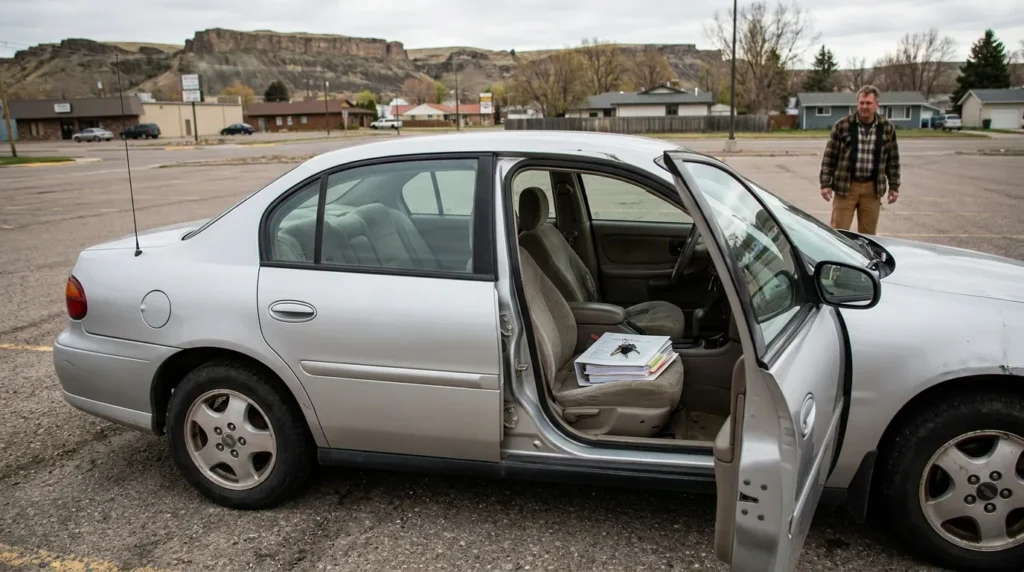

When the Comp Insurer Says It Wants a Piece of Your Settlement
Key Takeaways: Montana workers’ compensation insurers have a statutory subrogation right under MCA § 39-71-414, but that right is limited by the made whole doctrine, which bars the insurer from collecting until the injured worker has been fully compensated. Under § 39-71-414(6)(a), the insurer is entitled to full subrogation unless the claimant demonstrates damages exceeding workers’ compensation benefits and the third party recovery combined. Full compensation includes future care, lost earning capacity, permanent impairment, and losses comp benefits typically do not cover. Under § 39-71-414(2)(c), an insurer that elects not to participate in litigation costs waives 50% of its subrogation rights, and disputes are subject to mediation under § 39-71-2401. Document your full damages picture and get legal advice before signing any release or accepting a stated lien amount.
If you got hurt on the job in Montana and also had a claim against someone outside your workplace, the workers’ comp insurer may want to be paid back out of your third party settlement. That right is real, but not unlimited. Under Montana’s made whole doctrine, an insurer’s lien may not hold up unless you can show you have been fully compensated for everything the injury cost you.
If an adjuster says their lien comes off the top, talk with Miller Tourtlotte Law before you sign anything. Call 406-888-2222 or reach out to our team to have someone review the numbers.
What Subrogation Actually Means for an Injured Worker
Subrogation is just a legal word for reimbursement. When your employer’s comp insurer pays your medical bills and wage benefits, and you later recover money from a third party who caused the injury, the insurer generally claims a right to be repaid. Under MCA § 39-71-414(1), the insurer is entitled to subrogation for all compensation and benefits paid or to be paid under the Workers’ Compensation Act, and that right is a first lien on the claim, judgment, or recovery.
This happens frequently. A delivery driver rear-ended on Grand Avenue, a laborer hurt by defective equipment, a highway worker struck in a work zone: all can generate both a comp claim and a separate injury claim. Our overview of collecting workers’ comp and a personal injury settlement walks through how these two tracks interact.
Why You Are Suing a Third Party in the First Place
Montana law generally bars you from suing your own employer. The exclusive remedy provision in MCA § 39-71-411 states that the provisions of the chapter are exclusive and an insured employer is not subject to liability for death or personal injury to a covered employee. There are narrow exceptions, including claims for intentional acts under § 39-71-413 and claims against employers who failed to carry coverage.
Third party claims matter because when someone outside the employment relationship caused the harm, that claim may be one of the few places a seriously injured worker can seek recovery for pain, disfigurement, or losses comp typically does not pay. That’s why the comp insurer’s lien becomes such a fight.
Montana 39-71-414 Subrogation Made Whole: How the Doctrine Works
The made whole doctrine generally provides that the insurer does not get paid until you do. Montana has been among the most aggressive states in applying the made whole doctrine since the Montana Supreme Court’s 1977 decision in Skauge v. Mountain States Tel. & Tel. Co., which established that an insured must be fully compensated before an insurer can exercise subrogation rights. The description of the made whole doctrine as a tool used by courts “to curb the harsh effect of contractual subrogation on the rights of the insured” comes from a Missouri Law Review article, and Montana decisions such as Zacher v. American Insurance Co. and Ness v. Anaconda Minerals Co. applied that principle in the workers’ compensation setting.
MCA § 39-71-414(6)(a) provides that the insurer is entitled to full subrogation rights unless the claimant demonstrates damages exceeding the workers’ compensation benefits and the third party recovery combined. The burden is on you to prove your losses exceed what you have received, and if you can, the comp insurer’s lien may be subject to challenge.
Full Compensation Means More Than Bills Paid
“Made whole” is generally measured against your whole loss, not just receipts. Montana’s Workers’ Compensation Court has framed the analysis as requiring a determination of the full impact of the claimant’s injuries, measured against gross damages rather than a net recovery reduced by comparative fault. That can include future medical care, lost earning capacity, permanent impairment, the human damages comp benefits typically do not touch, as well as the attorney fees and litigation costs an injured worker incurs in securing recovery.
That framing matters for catastrophic cases. Spinal injuries, CRPS, amputations, and traumatic brain injuries may not be made whole by a single policy-limits settlement.
💡 Pro Tip: Before you agree to any allocation of a settlement, ask your attorney to document your full damages picture, including future care costs. Made whole arguments often live or die on that evidence.
The Cost-Sharing Rule Most Workers Never Hear About
If the insurer will not help pay for the fight, it gives up half its claim. Under MCA § 39-71-414(2)(b)-(d), the injured employee may ask the insurer to pay a proportionate share of the reasonable cost of the action, including attorney fees, and if the insurer elects not to participate in that cost, it waives 50% of its subrogation rights. The statute also provides under § 39-71-414(2)(d) that an employee who brings the action is entitled to at least one-third of the amount recovered after reasonable costs.
Here is a simple comparison of what can drive lien outcomes under the Montana subrogation statute:
|
Situation |
Typical Effect on the Lien |
|---|---|
|
Worker demonstrates damages exceeding benefits plus recovery |
Lien may be defeated or substantially reduced |
|
Insurer declines to share litigation costs |
Statutory waiver of 50% of subrogation rights |
|
Parties agree on allocation |
Compromise or stipulation, subject to department approval |
|
Parties disagree |
Subrogation disputes are subject to the mediation requirements of § 39-71-2401 |
Outcomes are fact-dependent, and courts consider the specific record and the statutory version in effect on the date of injury.
A Real Montana Case Where the Insurer Backed Down
The Washington case shows this is not just theory. In Robert O. Washington v. State Compensation Insurance Fund, 2000 MTWCC 38, WCC No. 9911-8367, a worker electrocuted in 1975 recovered from a third party, which led to a 1977 order determining the insurer’s subrogation interest. Decades later, he asked the court to set that order aside based on made whole precedent decided after the original order.
Rather than litigate, the insurer agreed to reimburse the claimant the full $123,014.73 it had collected in subrogation and to pay full benefits going forward without deduction for any subrogation interest. The hearing officer’s findings in the Montana Workers’ Compensation Court decision noted the 1977 verdict may not have made the claimant whole. That case arose under an earlier statute version and turned on its own facts, but it shows that a lien treated as settled can still be challenged.
Common Mistakes That Cost Workers Money
Most lien problems start before anyone files anything in court. Adjusters are not required to explain the made whole rule, and many workers assume the reimbursement number in a letter is final. It may not be.
Watch for these:
-
Signing a release without accounting for future medical needs
-
Accepting a lien amount without an itemized breakdown
-
Not documenting the insurer’s refusal to share litigation costs
-
Settling quickly without valuing permanent impairment
-
Attending an insurer exam without legal advice
💡 Pro Tip: Insurer-arranged exams are an adversarial step, not a neutral checkup. Refusing one may lead to suspension of benefits, so do not ignore the notice. Call a lawyer first.
Where Billings Workers Tend to Run Into This
Yellowstone County’s economy puts many people in dual-claim situations. Refinery and industrial contractors, trucking, rail work, construction, and agriculture all involve outside contractors, equipment manufacturers, and other drivers. When one of them causes the injury, you may have both a third party claim and a comp file.
Comp is its own system with its own court and mediation process, separate from a civil lawsuit. Having someone who handles both sides matters, which is why our practice includes montana 39-71-414 subrogation made whole lawyer work that many Montana injury firms do not touch.
Frequently Asked Questions
1. Can the comp insurer take money from my settlement automatically?
Not automatically. The insurer may assert a first lien, but that lien can be reduced or defeated if you demonstrate damages exceeding your comp benefits and third party recovery combined.
2. What counts as being “made whole”?
Generally, full compensation for the developed impact of your injuries including future medical care, lost earning capacity, and permanent impairment, not just bills already paid, as well as attorney fees and costs.
3. Does it matter if the insurer refuses to help pay litigation costs?
Yes. Under MCA § 39-71-414(2)(c), an insurer that elects not to participate in the cost of the action waives 50% of its subrogation rights.
4. Can an old subrogation order ever be revisited?
In limited circumstances, potentially yes. Montana courts have entertained challenges to older orders based on made whole precedent decided later, though such requests are fact-dependent and face procedural hurdles.
5. Should I tell the comp adjuster about my third party claim?
Yes, and talk to an attorney first. The statute requires reasonable notice to the insurer before you institute a third party action.
The Bottom Line on Protecting Your Recovery
Montana gives comp insurers a subrogation right under § 39-71-414, but that right is limited: the injured worker should be made whole first. If your third party settlement does not cover your full losses and you can prove it, the insurer’s lien may be subject to challenge. Every case turns on its own facts and evidence, which is why damages documentation matters as much as the legal argument.
You do not have to sort lien notices alone. Call Miller Tourtlotte Law at 406-888-2222, or start your free case review and let us tell you what your options look like.
Disclaimer: This content is for informational purposes only and is not legal advice. Every case is unique, and results may vary. Consult an attorney about your specific circumstances.