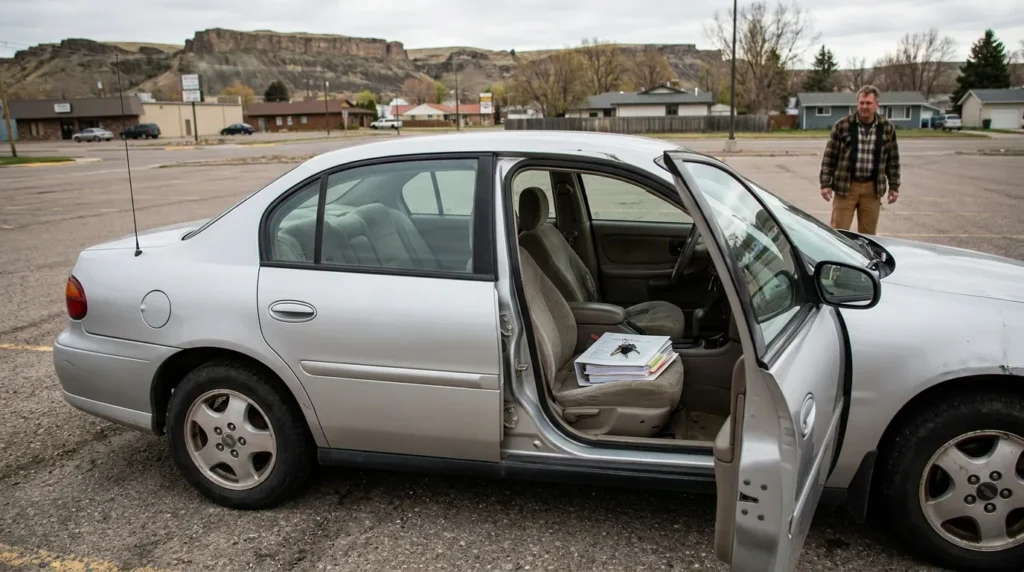

When a catastrophic injury happens, everything changes at once—your health, your work, your finances, and your family’s future. In Montana, these injuries often come from violent crashes on I-90 or Highway 93, dangerous worksites, medical errors, or defective equipment. The pressure to “move on” or accept what insurance companies offer can be intense, even while you’re still trying to understand what your life will look like going forward.
The experienced attorneys at Miller Tourtlotte Law, PLLC, led by Matt Tourtlotte and A.J. Miller, have deep roots in Montana and decades of experience dealing with complex injury and insurance disputes statewide. They know how insurers think, how these cases are built, and how to fight back when the losses are permanent. In the sections below, Miller Tourtlotte Law, PLLC explains key information about catastrophic injuries—how they happen, who may be responsible, the legal options available, the types of compensation that may be pursued, and how a catastrophic injury lawyer can step in and fight for accountability and justice when it matters most.
Catastrophic Injury Lawyer in Montana
If you or a family member has suffered a catastrophic injury anywhere in Montana, you need legal help that is decisive and experienced. Miller Tourtlotte Law, PLLC represents victims facing permanent, life-altering injuries and takes on insurers and corporations that try to avoid responsibility. To discuss your rights and legal options, contact a personal injury lawyer at Miller Tourtlotte Law, PLLC by calling (406) 888-2222 or contacting us online for a free consultation.
Types of Montana Catastrophic Injuries That Permanently Change Your Life
Traumatic Brain Injuries (TBIs) — A violent impact to your head can permanently disrupt how your brain works, even if you never lose consciousness. In Montana catastrophic injury cases, traumatic brain injuries often lead to lasting problems with memory, concentration, mood, and decision-making. You may struggle to communicate, control emotions, or perform tasks you once handled easily. Many victims are unable to return to their previous careers and require long-term neurological care, cognitive therapy, and daily supervision. These injuries frequently affect every relationship in your life, not just your health.
Spinal Cord Injuries and Paralysis — Damage to your spinal cord can sever the signals between your brain and body, causing permanent loss of movement or sensation. A Montana catastrophic injury involving the spinal cord may result in paraplegia or quadriplegia, along with secondary complications such as respiratory problems, pressure sores, and chronic infections. You may need a wheelchair, home modifications, and continuous medical monitoring for the rest of your life. The loss of independence and ability to work can be as devastating as the physical injury itself.
Amputations and Traumatic Loss of Limbs — When an accident leads to the loss of an arm, leg, hand, or foot, the effects are immediate and lifelong. Montana catastrophic injury victims who experience amputations often face repeated surgeries, prolonged rehabilitation, and the ongoing expense of prosthetic devices. Even with modern prosthetics, many daily activities become more difficult, painful, or impossible. You may also experience phantom limb pain, balance issues, and a permanent reduction in your ability to earn a living.
Severe Burn Injuries — Extensive burns can permanently damage skin, nerves, and underlying tissue, leaving lasting physical and emotional scars. In Montana catastrophic injury cases, severe burns often require multiple surgeries, skin grafts, and years of medical treatment. You may suffer from limited mobility, chronic pain, and heightened sensitivity to temperature and sunlight. Disfigurement can also affect your confidence, mental health, and ability to interact comfortably in public or professional settings.
Permanent Loss of Vision or Hearing — Losing your eyesight or hearing fundamentally alters how you experience the world. A Montana catastrophic injury involving blindness or significant vision loss may prevent you from driving, working, or living independently. Permanent hearing loss can isolate you socially and make communication extremely difficult. These injuries often require adaptive technology, specialized training, and ongoing support, yet they still limit many aspects of daily life.
Multiple Severe Orthopedic Injuries With Lasting Impairment — When multiple bones, joints, or muscles are severely damaged, the combined effect can permanently restrict your mobility and strength. Montana catastrophic injury victims with complex orthopedic injuries may endure repeated surgeries, incomplete healing, and chronic pain. Even after extensive rehabilitation, you may be left with permanent physical limitations that prevent you from returning to physically demanding work or enjoying the activities you once loved.
Severe Internal Organ Damage and Organ Failure — Catastrophic injuries are not limited to what you can see or measure by mobility alone. In Montana catastrophic injury cases, crushing trauma or high-impact force can cause permanent damage to vital organs such as the lungs, liver, kidneys, or heart. These injuries may require multiple surgeries, long hospitalizations, lifelong medication, or organ transplants. You may live with chronic pain, reduced stamina, and serious medical risks that affect your ability to work, travel, or maintain independence. Because the damage is internal, the long-term consequences are often underestimated at first, even though they permanently change your life.
Common Causes of Montana Catastrophic Injuries
Motor Vehicle Crashes — Serious car accidents are a leading cause of catastrophic injuries in Montana. High speeds, long rural highways, and limited lighting contribute to violent collisions that often result in traumatic brain injuries, spinal cord damage, internal organ failure, or multiple broken bones. Even with modern safety features, the force of these crashes can leave victims permanently disabled.
Commercial Truck Accidents — Collisions involving semi-trucks, logging trucks, and oilfield vehicles frequently cause catastrophic harm because of their size and weight. Victims often suffer crushing injuries, amputations, severe head trauma, or fatal internal injuries that require extensive emergency care and long-term treatment.
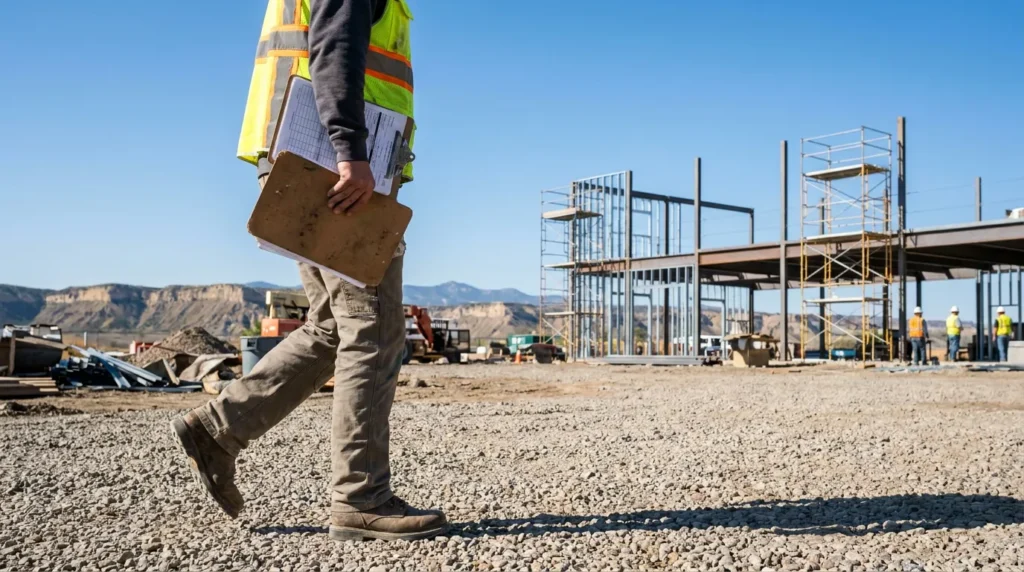
Construction and Industrial Accidents — Construction sites and industrial facilities across Montana expose workers to serious hazards. Falls from scaffolding, structural failures, and equipment malfunctions can instantly cause paralysis, brain damage, or multiple traumatic injuries, often ending a person’s ability to return to physical work.
Falls From Heights — Falls from roofs, ladders, platforms, or elevated surfaces commonly lead to catastrophic injuries. These incidents frequently cause spinal cord injuries, traumatic brain injuries, and complex orthopedic damage, especially when falls occur from significant heights or onto hard ground.
Heavy Equipment and Machinery Accidents — Farm and industrial machinery can cause devastating injuries when something goes wrong. Victims may be crushed, pinned, or caught in moving parts, leading to amputations, severe fractures, or permanent nerve damage with long, painful recoveries.
Explosions and Fire-Related Incidents — Fires and explosions can cause severe burns, inhalation injuries, and internal organ damage. Survivors often endure multiple surgeries, extended hospital stays, and permanent scarring affecting both physical and emotional health.
Agricultural and Ranching Accidents — Tractor rollovers, animal-related incidents, and machinery accidents are common in Montana’s agricultural industry and frequently result in catastrophic injuries requiring lifelong medical care.
Recreational Vehicle Accidents — Snowmobiles, ATVs, motorcycles, and boats pose serious risks due to speed, terrain, and limited protection, often causing head trauma, spinal injuries, or fatal internal damage.
Where Montana Catastrophic Injuries Most Often Happen
Major Montana Cities and Urban Areas — Catastrophic injuries frequently occur in Montana’s largest population centers, where traffic volume, construction activity, and commercial operations are highest. Cities such as Billings, Missoula, Bozeman, Great Falls, Helena, and Kalispell see a higher concentration of serious vehicle crashes, pedestrian impacts, and industrial accidents. Busy intersections, interstate access points, and active job sites in these urban areas increase the risk of life-altering injuries.
Interstates and Major Highways — Montana’s long-distance roadways are a common setting for catastrophic injury events. Interstate 90, Interstate 94, U.S. Highway 93, U.S. Highway 2, and Highway 287 are known for high-speed travel and heavy truck traffic. Severe collisions on these routes often result in traumatic brain injuries, spinal cord damage, and fatal internal injuries, especially in rural stretches far from immediate emergency care.
Rural and Remote Worksites — Many catastrophic injuries happen far from city limits. Oil fields, mining operations, construction sites, farms, and ranches across eastern and western Montana expose workers to heavy equipment and dangerous conditions. Delayed medical response in remote areas often worsens the severity of injuries.
Recreational and Outdoor Areas — Montana’s lakes, mountains, and trail systems also see catastrophic injuries. Areas near Flathead Lake, Glacier National Park, Yellowstone National Park, Big Sky, and popular snowmobile and ATV trails frequently involve high-impact recreational accidents.
Who May Be Responsible for Your Montana Catastrophic Injury
Negligent Drivers and Vehicle Owners — If a car, truck, or motorcycle crash caused your catastrophic injury, Montana’s negligence statute, MCA § 27-1-701, allows recovery when another person fails to use reasonable care. Montana’s modified comparative negligence rule under MCA § 27-1-702 permits recovery as long as you were not more than 50% at fault, with damages reduced by your share of responsibility.
Commercial Trucking Companies and Employers — When a catastrophic injury occurs while a driver or worker is performing job duties, liability may extend to the employer. Montana recognizes employer responsibility for employee conduct within the scope of employment under agency principles reflected in Title 28, Chapter 10, along with negligence law under MCA § 27-1-701. These cases often involve unsafe policies, poor training, or lack of safety enforcement.
Property Owners and Businesses — If a catastrophic injury happens on commercial or private property, owners may be responsible under Montana negligence law, MCA § 27-1-701, for failing to address dangerous conditions they knew about or should have discovered. Liability may be limited in some cases by Montana’s Recreational Use Statute, MCA § 70-16-302.
Manufacturers of Defective Products or Equipment — When a defective product causes a catastrophic injury, Montana’s product liability statute, MCA § 27-1-719, may apply. Manufacturers and sellers can be held responsible for products that are unreasonably dangerous and cause physical harm.
Medical Providers and Hospitals — Catastrophic injuries caused by medical negligence are governed by Montana’s medical malpractice laws, including MCA § 27-6-101 through § 27-6-103, with filing deadlines set by MCA § 27-2-205. These cases often involve permanent brain damage, paralysis, or fatal complications.
Government Entities — State, county, or city governments may be liable for catastrophic injuries caused by unsafe roads, poor maintenance, or negligent public employees under Title 2, Chapter 9. Montana requires written notice under MCA § 2-9-301, and damages may be capped under MCA § 2-9-108.
Time Limits to Take Legal Action — Most Montana catastrophic injury and wrongful death claims must be filed within three years under MCA § 27-2-204. Claims involving government entities follow additional procedural rules, and missed deadlines can permanently bar recovery.
How a Montana Catastrophic Injury Attorney Protects Your Future
Handling Montana Catastrophic Injury Insurance Claims — After a life-altering injury in Billings, Missoula, Bozeman, Great Falls, Helena, Kalispell, or nearby rural areas, insurers often push for early resolution before the full impact is clear. A Montana catastrophic injury attorney takes over communications with auto, commercial, workers’ compensation, and excess insurers to prevent premature or inadequate settlements.
Building High-Value Catastrophic Injury Cases Across Montana — Catastrophic injury cases require proof of lifelong consequences. Your lawyer works with Montana doctors, surgeons, life-care planners, and vocational experts to document future medical needs, lost earning capacity, and permanent disability. This is especially important for injuries on Interstate 90, Interstate 94, Highway 93, and at industrial, agricultural, and construction sites statewide.
Filing and Litigating Montana Catastrophic Injury Lawsuits — When insurers refuse to pay fairly, a catastrophic injury lawyer files suit in the appropriate Montana district court. These cases often stem from severe crashes, unsafe worksites, or defective equipment in both cities and remote areas where delayed emergency response worsens injuries.
Pursuing Full Damages for Montana Catastrophic Injuries — A Montana catastrophic injury lawyer pursues compensation for lifelong medical care, rehabilitation, mobility equipment, home modifications, lost income, reduced earning capacity, pain and suffering, and loss of independence. In fatal cases, wrongful death damages include funeral costs, lost financial support, and loss of companionship.
Montana Catastrophic Injury Frequently Asked Questions
What counts as a catastrophic injury in Montana?
A catastrophic injury in Montana causes permanent disability, lifelong medical care, or loss of independence, including brain injuries, paralysis, amputations, severe burns, or organ damage that permanently alters daily living.
How are catastrophic injuries different from serious injuries?
Catastrophic injuries differ from serious injuries because they cause permanent impairment, require lifelong treatment, reduce earning capacity, and prevent independent living, rather than healing over time with full recovery outcomes.
What causes most catastrophic injuries in Montana?
In Montana, catastrophic injuries most often result from high-speed vehicle crashes, truck accidents, industrial incidents, falls from heights, heavy equipment accidents, fires, explosions, and recreational accidents statewide across the state.
Can I file a Montana catastrophic injury claim if I was partly at fault?
Yes, Montana catastrophic injury claims may still be filed if you were partly at fault, as long as your share of responsibility does not exceed fifty percent under state law.
What compensation is available for a Montana catastrophic injury?
After a Montana catastrophic injury, you may seek compensation for medical bills, future treatment, rehabilitation, lost income, reduced earning capacity, pain, suffering, and permanent loss of independence throughout your lifetime.
How long do Montana catastrophic injury cases usually take?
Montana catastrophic injury cases take longer because damages include lifelong care, future medical costs, permanent disability, expert testimony, and complex insurance disputes requiring careful preparation before resolution in Montana courts.
What is the deadline to file a Montana catastrophic injury claim?
You generally have three years to file a Montana catastrophic injury claim, but shorter deadlines can apply in cases involving government entities or medical malpractice claims under specific state laws.
What rights do families have after a fatal Montana catastrophic injury?
Families may pursue a wrongful death claim after a fatal Montana catastrophic injury to recover funeral costs, lost financial support, medical expenses, and loss of companionship damages allowed by law.
When should I contact a Montana catastrophic injury attorney?
You should contact a Montana catastrophic injury lawyer as soon as possible to protect evidence, handle insurers, calculate lifelong damages, meet deadlines, and avoid mistakes that could permanently reduce compensation.
How much does a Montana catastrophic injury lawyer cost?
Most Montana catastrophic injury lawyers work on contingency, meaning you pay nothing upfront and legal fees are only owed if compensation is recovered through settlement or trial for you locally.
Montana Catastrophic Injury Lawyers
A catastrophic injury in Montana can stop your life cold—on a rural highway outside Billings, at a jobsite near Bozeman, or after a medical mistake in Missoula. In those moments, you don’t need promises or sales talk. You need lawyers who know how hard these cases are and aren’t afraid to take them on. The experienced catastrophic injury attorneys at Miller Tourtlotte Law, PLLC have spent years standing up to insurance companies and powerful defendants across Montana, fighting for people whose injuries will affect them for the rest of their lives. They understand what’s at stake, and they take it personally. If you or a loved one has suffered a catastrophic injury, contact Miller Tourtlotte Law, PLLC by calling (406) 888-2222 or contacting us online for a free consultation to talk through your legal rights and next steps.