
Unsafe conditions at a Montana job site, a violent collision, or a serious fall can leave you with a serious knee injury in seconds. Torn ACLs, shattered kneecaps, crushed joints, and severe ligament or cartilage damage often require surgery, extensive rehabilitation, and months away from work. For many injured people, routine activities like climbing stairs, driving, kneeling, standing for long periods, or getting in and out of a vehicle suddenly become painful and difficult.
The effects of a serious knee injury often continue long after the initial treatment ends. Ongoing medical care, missed income, reduced mobility, and chronic pain can place enormous strain on both injured people and their families. At the same time, insurance companies frequently dispute the severity of knee injuries, particularly when future treatment, permanent limitations, or the ability to return to work are at issue. Below, Miller Tourtlotte Law, PLLC explains how knee injuries happen in Montana, who may be legally responsible, what compensation may be available, and how an experienced Montana knee injury lawyer fights for the financial recovery you need after a serious accident.
Knee Injury Lawyer in Montana
Miller Tourtlotte Law, PLLC represents people across Montana who suffered serious knee injuries caused by negligent drivers, unsafe property conditions, and dangerous workplaces. Matt Tourtlotte brings more than twenty years of experience handling complex injury and insurance disputes, while A.J. Miller previously worked inside the insurance industry defending claims. That experience gives the firm firsthand insight into how insurance companies evaluate and dispute serious injury cases involving surgery, long-term treatment, and permanent mobility limitations. Call (406) 888-2222 or contact Miller Tourtlotte Law, PLLC online for a free consultation.
Types of Knee Injuries You May Suffer in Montana
ACL Tear — Your anterior cruciate ligament helps keep your knee stable while walking, turning, climbing, and changing direction. A violent twist, crash, fall, or sports collision can tear this ligament partially or completely. You may hear a popping sound followed by swelling, instability, and severe pain. Many ACL tears require reconstructive surgery, extensive rehabilitation, and months away from work or physical activity.
Meniscus Tear — Shock-absorbing cartilage inside your knee can rip when your leg twists awkwardly or absorbs a sudden impact. These injuries often happen during slip and falls, vehicle crashes, sports accidents, and physically demanding jobs throughout Montana. Symptoms commonly include locking, catching, swelling, stiffness, and pain while standing or walking. Some tears respond to therapy and rest, while larger tears may require surgery.
MCL Injury — Strong force against the outer side of your knee can stretch or tear the medial collateral ligament along the inside of the joint. You may suffer this injury during a car accident, skiing accident, football collision, or fall on ice. Mild injuries can heal conservatively, but serious tears may leave you unable to walk normally for weeks or months.
LCL Injury — Damage affecting the ligament on the outside of your knee may occur after sudden twisting, blunt trauma, or high-impact collisions. Unlike more common knee sprains, LCL injuries sometimes happen alongside torn cartilage or multiple ligament ruptures. You may experience weakness, instability, swelling, and difficulty putting weight on your leg.
Patella Fracture — Direct trauma to the front of your knee can break your kneecap during motorcycle crashes, truck accidents, falls, and heavy equipment incidents. A patella fracture often causes immediate swelling, bruising, severe pain, and an inability to straighten your leg. Surgical repair may involve screws, plates, or wires to stabilize the bone.
Tibial Plateau Fracture — The upper surface of your shinbone forms part of your knee joint, and high-force trauma can fracture that area. Tibial plateau fractures commonly result from serious vehicle collisions, construction accidents, ranching incidents, and falls from elevated surfaces. Nearby ligaments, cartilage, and nerves may also suffer damage. Recovery can require surgery and months of therapy.
Knee Dislocation — Violent force can push the bones within your knee completely out of alignment, creating a medical emergency that demands immediate treatment. Multi-ligament tears frequently accompany this injury, along with artery and nerve damage that may threaten circulation to your lower leg. You may require multiple surgeries and prolonged rehabilitation.
Patellar Dislocation — Instead of the entire knee joint dislocating, your kneecap itself may slide out of place after a twisting motion, fall, or direct blow. Sudden pain, swelling, instability, and visible deformity often follow immediately. Although some kneecaps return to position naturally, underlying ligament and cartilage damage may still exist.
Cartilage Damage — Smooth cartilage covering the bones inside your knee can wear down or break apart after traumatic injury or repetitive stress. You may notice grinding sensations, swelling, stiffness, and worsening pain during movement. Severe cartilage injuries sometimes create bone-on-bone contact inside the joint.
Patellar Tendon Tear — Thick connective tissue below your kneecap can partially or completely rupture during falls, sudden jumps, or traumatic accidents. A complete tear may prevent you from straightening your leg or supporting your body weight. Surgery is often necessary to restore function.
Quadriceps Tendon Tear — Tendons connecting your thigh muscles to your kneecap can tear during forceful impacts or sudden stress to the knee. Symptoms often include weakness, swelling, bruising, and difficulty lifting your leg. Severe tears usually require surgery and lengthy rehabilitation.
Crushing Knee Injury — Heavy machinery accidents, industrial incidents, and catastrophic vehicle crashes can crush the bones, ligaments, nerves, and blood vessels inside your knee. These injuries may involve permanent disability, severe nerve damage, or amputation. Victims commonly require multiple surgeries and lifelong medical care.
Main Causes of Knee Injuries
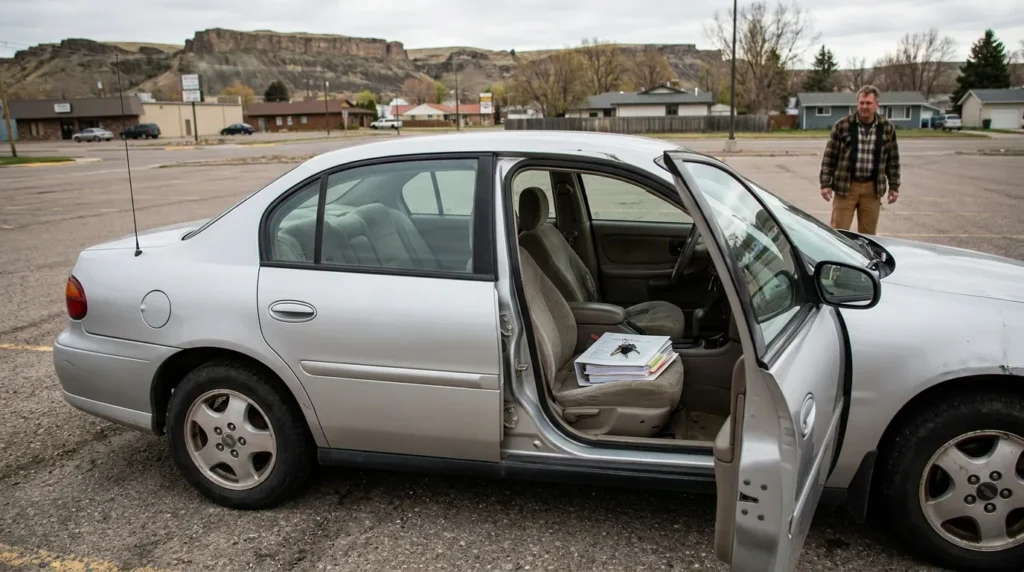
Motor Vehicle Accidents — High-speed car crashes on Montana highways can place enormous force on your knees during impact. Your knee may strike the dashboard, steering column, door frame, or crushed metal inside the vehicle. Rollovers, head-on collisions, and winter-weather crashes frequently cause torn ligaments, fractures, cartilage damage, and crushing injuries.
Slip and Fall Accidents — Ice-covered sidewalks, wet floors, uneven pavement, loose rugs, and snow-packed parking lots can cause sudden twisting or direct impact injuries to your knee. Falls are especially common during Montana winters, when icy conditions create dangerous walking surfaces throughout cities, businesses, and residential properties.
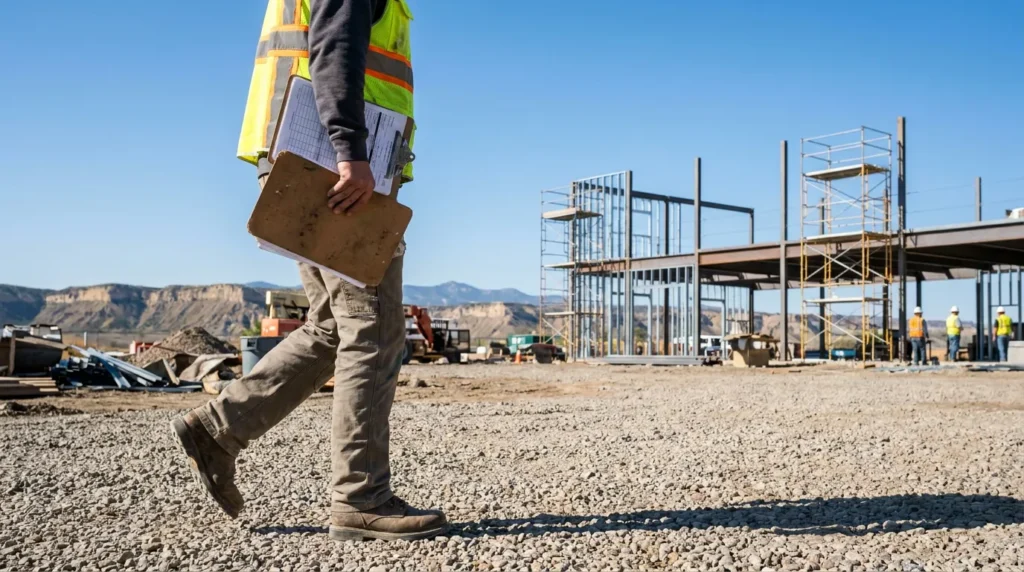
Construction and Industrial Accidents — Heavy equipment incidents, falls from heights, collapsing materials, and machinery accidents regularly cause serious knee trauma on construction sites and industrial job locations. Workers may suffer ligament tears, fractures, dislocations, and crushing injuries that require surgery and lengthy rehabilitation.
Workplace Repetitive Stress Injuries — Constant kneeling, climbing, squatting, lifting, and repetitive movement can gradually damage the structures inside your knee over time. Ranch workers, warehouse employees, mechanics, healthcare workers, and laborers throughout Montana may develop chronic cartilage damage, tendon tears, and long-term joint deterioration.
Pedestrian and Motorcycle Accidents — Little protection exists between your body and the force of impact during these collisions. Your knees may absorb direct trauma from vehicles, pavement, or crushing forces during the accident. Pedestrian accidents and motorcycle accidents commonly cause fractures, dislocations, ligament tears, and severe soft tissue damage that permanently affects mobility.
Where Knee Injuries Commonly Happen in Montana
Billings Highways and Commercial Areas — Serious knee injuries frequently happen in vehicle crashes along Interstate 90, King Avenue West, Main Street, and heavily traveled intersections throughout Billings. Victims also suffer knee injuries in grocery stores, shopping centers, parking lots, and commercial properties where snow, ice, wet floors, and uneven walkways create dangerous conditions during Montana winters.
Bozeman Construction Sites and Busy Roadways — Rapid growth throughout Bozeman has increased construction activity and traffic congestion, leading to more accidents involving knee trauma. Injuries commonly occur on construction sites near residential developments, commercial projects, and roadwork zones. Vehicle collisions along North 19th Avenue, Huffine Lane, and Interstate 90 also regularly cause severe knee injuries.
Missoula Businesses and Pedestrian Areas — Knee injuries often happen inside retail stores, restaurants, apartment complexes, hotels, and parking garages throughout Missoula. Snow-packed sidewalks, icy entrances, broken pavement, and unsafe stairways create serious fall risks, especially near downtown businesses, the University of Montana area, and high-traffic commercial districts.
Great Falls Industrial and Warehouse Properties — Industrial job sites, warehouses, manufacturing facilities, and loading areas throughout Great Falls frequently expose workers and visitors to slip hazards, heavy equipment accidents, and crushing injuries involving the knee. Repetitive stress injuries also commonly develop in physically demanding work environments across Cascade County.
Helena Nursing Homes and Government Buildings — Falls causing knee injuries regularly occur inside nursing homes, assisted living facilities, office buildings, and government properties throughout Helena. Elderly victims often suffer fractures, torn ligaments, and permanent mobility limitations after falling on slippery floors, icy walkways, or poorly maintained premises.
Who May Be Sued for Your Knee Injury
Negligent Drivers — A driver who causes your knee injury may be legally responsible under MCA § 27-1-701, which holds people accountable for injuries caused by a lack of ordinary care. Drivers who act recklessly or fail to follow traffic laws may be financially responsible for your medical bills, lost income, pain and suffering, and other losses.
Property Owners and Businesses — Stores, hotels, apartment complexes, restaurants, and other property owners may be liable if unsafe property conditions lead to your knee injury. Under MCA § 27-1-701, property owners can be held responsible when they fail to use reasonable care to keep their premises safe for lawful visitors.
Employers and Third Parties — Workplace knee injuries may involve workers’ compensation laws under Title 39, Chapter 71 of the Montana Code Annotated. MCA § 39-71-411 generally makes workers’ compensation the exclusive remedy against an insured employer. However, you may still have a separate injury claim against another company, contractor, driver, or outside party involved in the incident.
Manufacturers of Defective Products — If defective equipment, machinery, tools, vehicle parts, or safety devices contributed to your knee injury, the manufacturer or seller may be liable under Montana product liability law. MCA § 27-1-719 allows injury claims involving products that are defective and unreasonably dangerous.
Nursing Homes and Care Facilities — Nursing homes and assisted living facilities may be liable if neglect, poor supervision, understaffing, or unsafe property conditions contribute to a serious knee injury. MCA § 50-5-1104 protects certain rights of long-term care facility residents under Montana law.
Government Entities — Cities, counties, and state agencies may sometimes be liable for injuries involving unsafe public property or dangerous government-maintained areas. Claims involving government entities are subject to special procedures under MCA § 2-9-301.
Fatal Knee Injury Claims — If complications from a severe knee injury lead to death, surviving family members may have wrongful death claims under MCA § 27-1-513. Certain claims belonging to the injured person may also continue after death under MCA § 27-1-501.
Montana Statute of Limitations for Knee Injury Claims — Montana generally gives you three years to file most personal injury lawsuits under MCA § 27-2-204. Missing the filing deadline may prevent you from recovering compensation.
How a Montana Knee Injury Attorney Fights for Financial Recovery
Investigate Your Knee Injury Case — A Montana knee injury attorney can immediately gather crash reports, surveillance footage, medical records, witness statements, and evidence from the scene before it disappears. Local cases in Billings, Bozeman, Missoula, Great Falls, and Helena often involve hazardous winter conditions, workplace accidents, or other situations that require prompt investigation.
Handle Insurance Companies for You — Insurance companies frequently try to minimize serious knee injuries by arguing that you had a preexisting condition or that your injury is not as severe as you claim. Montana knee injury attorneys can deal directly with adjusters, protect you from damaging statements, and fight against low settlement offers that fail to cover your future medical care.
Prove the Full Value of Your Knee Injury — Serious knee injuries often require surgery, physical therapy, injections, mobility aids, and future treatment. Your lawyer can work with orthopedic doctors, medical specialists, and vocational experts to prove how the injury affects your ability to work, walk, drive, and live independently.
File a Lawsuit if Necessary — If the insurance company refuses to offer fair compensation, your lawyer can file a lawsuit in the appropriate Montana court and prepare your case for trial. Knee injury litigation often involves detailed medical evidence, expert testimony, and long-term damage calculations.
Fight for All Available Damages — A Montana knee injury lawyer can pursue compensation for medical bills, lost wages, future treatment costs, pain and suffering, disability, loss of mobility, and reduced earning ability. In fatal knee injury cases, surviving family members may also recover wrongful death damages for funeral expenses, loss of financial support, and loss of companionship.
Frequently Asked Questions
How much is my Montana knee injury case worth?
The value of your Montana knee injury claim depends on surgery costs, lost wages, future treatment, permanent disability, pain levels, and how seriously the injury affects your ability working and living normally.
Do I need a personal injury lawyer in Montana?
Insurance companies regularly dispute serious knee injuries and minimize long-term complications. A knee injury attorney in Montana can protect your claim, negotiate settlements, and pursue compensation for your financial losses.
What is the average settlement for a knee injury in Montana?
Settlement amounts vary depending on ligament tears, fractures, surgery requirements, future medical care, chronic pain, lost income, and whether your knee injury in Montana causes permanent mobility limitations or disability.
How long do I have to file a Montana knee injury claim?
Montana generally gives you three years to file most personal injury lawsuits. Waiting too long can weaken evidence, complicate insurance negotiations, and reduce your ability recovering full compensation successfully.
Should I hire a Montana knee injury lawyer after surgery?
Surgical knee injuries often involve extensive treatment, future rehabilitation, larger financial losses, and disputed insurance claims. A Montana knee injury lawyer can pursue compensation reflecting your condition’s long-term physical and financial impact.
Can a knee injury lawyer in Montana deal with insurance companies?
A knee injury lawyer in Montana can communicate directly with adjusters, challenge denied claims, negotiate settlements, gather medical evidence, and protect you from tactics designed reducing your compensation unfairly.
How much does a Montana knee injury lawyer cost?
Most Montana knee injury lawyers work through contingency fee agreements, meaning you usually pay no upfront legal fees and attorney compensation comes from money recovered through settlement or courtroom litigation.
Can a knee injury attorney in Montana help after a car accident?
A knee injury attorney in Montana can investigate the crash, collect medical records, calculate future damages, negotiate with insurers, and pursue compensation for surgery costs, disability, lost wages, and ongoing suffering.
Montana Knee Injury Lawyers
A serious knee injury from a car crash, unsafe property condition, or workplace accident can affect your ability to work, support your family, and maintain the life you had before the accident. While you focus on surgeries, rehabilitation, and recovery, insurance companies and other responsible parties may already be challenging the extent of the injury or trying to reduce what they owe.Miller Tourtlotte Law, PLLC represents injured people throughout Billings, Missoula, Bozeman, Great Falls, Helena, and communities across Montana. Matt Tourtlotte and A.J. Miller bring decades of combined experience handling complex injury, insurance, and workers’ compensation claims across Montana. If you or a loved one suffered a serious knee injury in Montana, call Miller Tourtlotte Law, PLLC at (406) 888-2222 or contact the firm online for a free consultation with a personal injury lawyer.