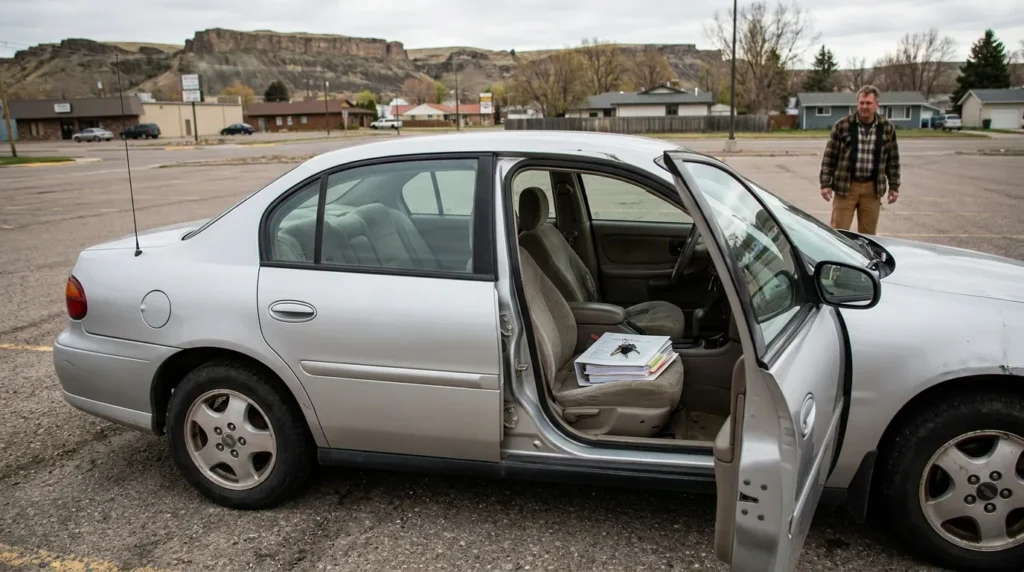

Getting hit from behind at a stoplight on King Avenue, sitting in traffic on I-90 near Billings, or slowing down on a snowy Montana road is something you never expect—but it happens fast, and it leaves you dealing with more than just a damaged vehicle. What follows is often worse—pain that builds over time, time away from work, and an insurance company that starts working against you almost immediately. The experienced attorneys at Miller Tourtlotte Law, PLLC understand how these crashes actually play out and how often injuries get brushed off or underestimated. They focus on holding the at-fault driver and the insurance company accountable for what this has actually cost you. Below, you’ll find clear, practical information about how rear-end accidents happen, who may be responsible, what your legal options look like, the types of compensation that may be available, and how a Montana rear-end accident lawyer can step in and fight to help you recover.
Rear-End Accident Lawyer in Montana
Rear-end crash claims are often undervalued from the start, especially when insurers label them as minor. Miller Tourtlotte Law, PLLC brings over 20 years of experience, insider knowledge of insurance tactics, and a strong record of results across Montana. You need a Montana car accident lawyer that knows how to push back and take control of the claim early. Call (406) 888-2222 or contact us online for a free consultation.
Types of Rear-End Accidents in Montana
Stop-and-Go Traffic Rear-End Crashes — You are most likely to see this kind of crash in busy parts of Billings, Missoula, Bozeman, and Great Falls, where traffic keeps bunching up near lights, exits, school zones, and shopping areas. A driver may move forward, look away for a second, and then hit the back of the vehicle ahead when traffic stops again. These crashes often happen at lower speeds, but that does not mean the harm is minor. You can still suffer painful neck, back, and head injuries, and one rear-end crash can easily push several vehicles into each other.
Highway-Speed Rear-End Collisions — You will often encounter these crashes on major Montana routes like I-90, I-15, and I-94, where vehicles travel at high speeds for long distances. When a driver fails to slow down in time, the impact can be violent and life-threatening. The force involved in these collisions often leads to severe injuries, totaled vehicles, and long-term consequences that may not be obvious right away.
Multi-Vehicle Rear-End Pileups — You may face this type of crash during Montana winters when snow, ice, and fog reduce visibility and traction. One initial collision can quickly trigger a chain reaction involving multiple cars and trucks. It becomes difficult to determine how many impacts occurred and in what order, and you may be struck more than once. These situations are especially dangerous because each additional hit increases the risk of serious injury.
Commercial Truck Rear-End Accidents — You are at much greater risk when a large commercial truck is involved in a rear-end crash. Semi-trucks and delivery vehicles need more time and distance to stop, especially on highways and downhill grades common in Montana. When a truck hits a smaller vehicle from behind, the size and weight difference can cause catastrophic damage. These crashes often result in severe or fatal injuries due to the force of impact.
Distracted Driving Rear-End Accidents — You are more likely to be involved in this type of crash when a driver is texting, using a GPS, eating, or otherwise not fully paying attention to the road. Even a few seconds of distraction can prevent someone from noticing that traffic has slowed or stopped. These crashes happen across both city streets and rural highways and are becoming more common as in-vehicle technology use increases.
Drunk or Impaired Driving Rear-End Crashes — You may encounter this kind of collision when a driver is under the influence of alcohol or drugs and cannot react in time to changing traffic conditions. Impairment affects judgment, coordination, and braking ability, which increases the chance of a rear-end impact. These crashes are often more severe because the impaired driver may not attempt to slow down before the collision occurs.
Sudden Stop Rear-End Accidents — You may be involved in this type of crash when the vehicle in front of you stops abruptly due to an obstacle, animal crossing, or unexpected road hazard. On rural Montana roads, this happens more often than you might expect. Even attentive drivers can struggle to react in time when a stop is completely unanticipated, which increases the risk of a rear-end impact.
Rear-End Accidents Caused by Mechanical Failure — You could face this situation when brakes, tires, or other critical vehicle systems fail without warning. A driver may try to stop but physically cannot due to equipment malfunction.
Types of Injuries You May Suffer After a Rear-End Crash in Montana
Whiplash and Soft Tissue Injuries — You will often experience this injury when your head and neck are suddenly forced forward and backward during impact. This motion strains muscles, ligaments, and tendons, even in low-speed crashes. Pain, stiffness, and headaches may not appear right away.
Traumatic Brain Injuries — You may suffer a brain injury even without direct head impact. The force of a rear-end collision can cause your brain to shift inside your skull. Symptoms can include dizziness, confusion, and memory problems.
Herniated Discs and Spinal Injuries — You can experience disc damage when the impact compresses or twists your spine. A herniated disc may press on nerves, causing pain, numbness, or weakness that can worsen over time.
Facial and Impact-Related Injuries — You may sustain facial injuries from airbags, broken glass, or hitting the steering wheel. Cuts, bruises, dental damage, and fractures can occur depending on the severity of the crash.
Delayed-Onset Pain Conditions — You might not feel injured immediately, but symptoms can appear hours or days later. Inflammation and muscle strain often take time to develop after a rear-end accident.
Emotional and Psychological Injuries — You may also deal with anxiety or post-traumatic stress after a rear-end accident. These effects can disrupt daily life and may require professional support if symptoms persist.
Where Rear-End Collisions Happen Most in Montana
Busy Intersections in Billings, Missoula, and Bozeman — You are most likely to encounter rear-end accidents at high-traffic intersections where vehicles frequently stop and start. In Billings, areas along King Avenue West and Main Street see heavy congestion. In Missoula, Brooks Street and Reserve Street are common trouble spots. Bozeman’s 19th Avenue corridor also experiences frequent slowdowns. These areas combine traffic lights, turning vehicles, and pedestrian activity, increasing the risk of sudden stops and rear-end impacts.
Interstate Highways Like I-90, I-15, and I-94 — You will often see rear-end collisions on Montana’s major highways, especially on I-90 running through Billings, Bozeman, and Missoula. Long stretches of high-speed driving can lead to reduced attention and delayed braking. I-15 near Helena and Great Falls also sees heavy commercial traffic, which adds to the danger. When traffic slows suddenly due to construction, weather, or congestion, rear-end crashes can happen quickly and with serious force.
Rural Roads and Two-Lane Highways Across Montana — You may face rear-end risks on rural roads where speed limits are high and visibility can change quickly. Areas outside towns like Kalispell, Havre, and Miles City often have limited lighting and fewer warning signals. Wildlife crossings, farm equipment, and unexpected stops can catch drivers off guard, leading to sudden rear-end collisions.
Winter Weather Zones and Mountain Passes — You are especially at risk during Montana winters, where snow, ice, and fog reduce traction and visibility. Mountain passes like Bozeman Pass and Homestake Pass are known for hazardous conditions. Even careful drivers can struggle to stop in time, making rear-end accidents more likely in these areas.
Who May Be Liable for a Rear-End Accident in Montana
The Driver Who Rear-Ends You — You will usually look first to the driver who hit you. Montana law requires drivers to keep a safe following distance under MCA § 61-8-329, which says a driver may not follow another vehicle more closely than is reasonable and prudent. You may also rely on MCA § 61-8-302 for careless driving or MCA § 61-8-301 for reckless driving if the behavior was more serious. In addition, MCA § 27-1-701 establishes that a person is responsible for injuries caused by a lack of ordinary care, which forms the basis of most rear-end accident claims.
Commercial Truck Drivers and Trucking Companies — You may be able to hold both the truck driver and the company responsible. The driver can be liable under MCA § 27-1-701 for negligence. The trucking company may also be liable if the driver was working at the time of the crash under general agency principles. These cases often involve federal safety regulations, including 49 C.F.R. § 392.3 (fatigued driving), 49 C.F.R. Part 395 (hours-of-service limits), and 49 C.F.R. § 396.3 (vehicle maintenance), which can strengthen your claim if violations are found.
Vehicle Manufacturers or Repair Providers — You may have a claim if a mechanical failure caused the rear-end accident. Under MCA § 27-1-719, a manufacturer or seller can be held liable if a defective product is unreasonably dangerous and causes injury. If the issue involves negligent repairs rather than a defective part, MCA § 27-1-701 may apply. These cases often focus on whether brakes, tires, or other key systems failed when they should have worked properly.
Government Entities Responsible for Road Conditions — You may be able to bring a claim against a state or local government if poor road design, lack of signage, or unsafe conditions contributed to the crash. MCA § 2-9-102 allows for liability of government entities for torts committed by employees acting within the scope of their duties. However, there are limits, including immunity provisions under MCA § 2-9-111 and a prohibition on punitive damages under MCA § 2-9-105. You must also follow notice requirements under MCA § 2-9-301.
Montana Comparative Fault Law — You should understand how fault is shared. Under MCA § 27-1-702, you can recover damages as long as you are not more than 50% at fault. Your compensation will be reduced based on your percentage of responsibility.
Statute of Limitations for Rear-End Accident Claims in Montana — You generally have three years to file a personal injury claim under MCA § 27-2-204. If the crash resulted in a death, a wrongful death claim may be brought under MCA § 27-1-513, with damages governed by MCA § 27-1-323. Missing these deadlines can prevent you from recovering compensation.
What a Montana Rear-End Accident Attorney Does to Help You Recover Compensation
Investigating Your Rear-End Accident in Montana — You need a personal injury lawyer who understands how crashes happen on roads like I-90, I-15, and busy streets in Billings or Missoula. Your attorney will review crash reports, vehicle damage, camera footage, and local road conditions to determine exactly what caused the impact.
Dealing with Insurance Companies in Montana Claims — You will likely face insurance adjusters who try to minimize your injuries, especially in so-called “low-speed” rear-end crashes. Your lawyer handles all communication, pushes back on quick settlement offers, and uses medical records and local provider input to show the true impact of your injuries.
Building a Strong Rear-End Accident Case — You benefit from a Montana rear-end accident attorney who knows how to prove these cases beyond the surface. Your attorney gathers medical evidence, works with treating doctors across Montana, and connects your injuries directly to the crash, even when symptoms appear later.
Fighting for Full Compensation After a Rear-End Crash — You may recover damages for medical bills, lost income, pain and suffering, and ongoing care. Your lawyer calculates both current and future losses based on your condition and treatment needs within Montana’s healthcare system.
Handling Fatal Rear-End Accident Claims for Families — You need guidance if you lost a loved one in a rear-end crash on a Montana highway or rural road. Your lawyer pursues wrongful death damages, including funeral costs, lost financial support, and loss of companionship.
Taking Your Rear-End Accident Case to Court if Needed — You are in a stronger position when your rear-end crash lawyer is prepared to file a lawsuit in a Montana court and take your case to trial. This pressure often leads to better settlements and ensures your case is taken seriously.
Frequently Asked Questions About Rear-End Accidents
Do I need a rear-end accident lawyer in Montana after a car accident?
You should speak with a Montana rear-end accident lawyer because insurance companies often minimize claims, and legal help ensures your injuries, losses, and long-term damages are fully valued and protected.
How much is my rear-end accident settlement worth in Montana?
Your Montana rear-end accident settlement depends on medical bills, lost wages, and pain, and a personal injury lawyer helps calculate full damages so you do not accept less than you deserve.
How much does a Montana rear-end accident lawyer cost?
Most Montana rear-end accident attorneys charge no upfront fees and work on contingency, meaning you only pay if they win compensation for your injuries and damages after your crash.
Who is at fault in a rear-end accident in Montana?
The rear driver is usually at fault in a Montana rear-end accident, but exceptions happen, so a personal injury lawyer investigates evidence to protect your claim and challenge unfair blame.
Should I get a personal injury lawyer for a minor rear-end accident in Montana?
Even a minor Montana rear-end accident can cause hidden injuries, so a personal injury lawyer helps document your condition, deal with insurance, and prevent you from accepting a low settlement.
How long do I have to file a rear-end accident claim in Montana?
You typically have three years to file a Montana rear-end accident claim, but delays hurt evidence, so contacting a personal injury lawyer early helps protect your rights and strengthen your case.
Will a Montana rear-end accident lawyer deal with insurance companies for me?
A Montana rear-end accident lawyer handles insurance companies, negotiates aggressively, and protects you from tactics used to reduce or deny your claim after a rear-end accident.
When should I contact a Montana rear-end accident lawyer after a crash?
You should contact a Montana rear-end accident lawyer as soon as possible after your crash because early legal help preserves evidence, protects your rights, and improves your chances of full compensation.
Montana Rear-End Accident Lawyers
When you’re rear-ended in Montana, the insurance company will often treat your case like it’s simple—quick repair, quick payout, and move on. But that’s not how these cases really work, especially when injuries don’t show up right away or get dismissed as “minor.” Miller Tourtlotte Law, PLLC is a Montana-based firm built by attorneys Matt Tourtlotte and A.J. Miller, who bring decades of combined experience handling injury claims and standing up to insurance companies. With over 20 years of experience, hundreds of clients helped, and a strong record of results, they understand how insurers evaluate rear-end claims—and how to challenge low offers. Their background, including direct experience working inside the insurance industry, gives them an advantage most firms do not have. If you want someone who will take your situation seriously and act quickly, contact Miller Tourtlotte Law, PLLC by calling (406) 888-2222 or contacting us online for a free consultation.