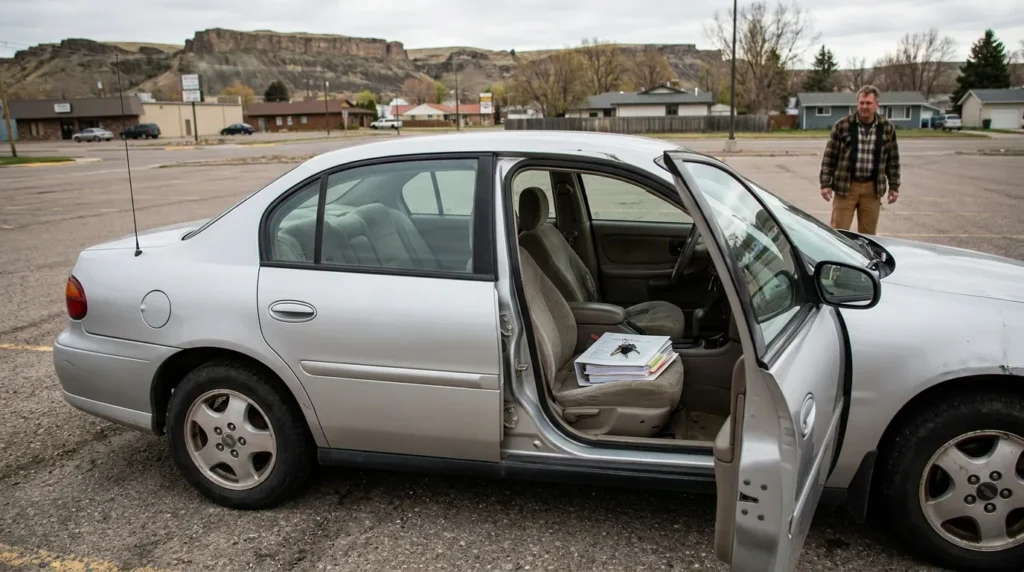

A violent impact that snaps the neck backward, twists the cervical spine, or compresses the spinal cord can leave lasting damage long after the accident is over. In Montana, these injuries often happen during high-speed highway crashes, heavy equipment accidents, falls from elevation, and other incidents caused by careless drivers, unsafe job sites, or dangerous property conditions. What initially feels like soreness or limited movement can later develop into nerve damage, herniated discs, chronic headaches, numbness in the arms and hands, and physical limitations that affect nearly every part of daily life. For many injured people, the long-term consequences become far more serious than they first realized, especially when ongoing symptoms interfere with work, sleep, and normal daily activities.
Miller Tourtlotte Law, PLLC represents injured people and families across Montana in serious injury and wrongful death cases involving severe neck, spinal, and nerve injuries. These claims are often heavily disputed, especially when symptoms worsen over time or imaging does not fully capture the extent of the damage. Below, we explain how serious neck injuries happen, how insurance companies and defendants try to challenge these claims, and how an experienced Montana neck injury lawyer fights for the medical care, financial recovery, and long-term support you deserve after a life-altering injury.
Neck Injury Lawyer in Montana
Matt Tourtlotte and A.J. Miller bring decades of combined experience handling serious neck injury claims across Montana. Miller Tourtlotte Law, PLLC understands how quickly neck injuries can turn into chronic pain, nerve symptoms, ongoing treatment, and lasting disruption to your daily life. The firm builds strong cases designed to hold insurance companies and negligent parties accountable for the full impact these injuries can have on your health, work, and future. Call (406) 888-2222 or contact the firm online to schedule a free consultation.
Key Types of Neck Injuries You May Suffer in Montana
Cervical Spine Fractures — A serious crash, fall from height, ATV rollover, or crushing accident in Montana can break one or more vertebrae in your neck. These injuries are often called broken neck injuries and may threaten your ability to move, breathe, or function normally. Depending on the location and severity of the cervical spine fracture, you could require emergency surgery, spinal stabilization, or long-term rehabilitation. Some cervical fractures cause permanent disability or paralysis.
Herniated Cervical Discs — Between the bones in your neck are soft discs that cushion movement. When one of these discs ruptures or shifts out of place, it can press against nearby nerves or your spinal cord. You may experience burning pain, numbness, tingling, or weakness that travels into your shoulders, arms, or hands. Heavy lifting accidents, vehicle crashes, and falls throughout Montana commonly cause this type of injury. Recovery can take months, and some victims never fully heal.
Spinal Cord Injuries in the Neck — Damage to the spinal cord in your cervical spine can permanently change your life. A severe neck injury in Montana may interrupt the signals between your brain and body, leading to partial or complete paralysis. You may lose movement, sensation, coordination, or bladder control depending on the level of the injury. These cases often involve extensive hospitalization, rehabilitation, assistive equipment, and lifelong medical care.
Soft Tissue Neck Injuries — Not every neck injury involves broken bones or spinal cord trauma. You can also suffer strains, sprains, and tears affecting the muscles, ligaments, and connective tissues in your neck. Even though these injuries are sometimes dismissed as “minor,” they can still cause lasting pain, headaches, sleep disruption, and difficulty working or driving. Soft tissue injuries commonly happen in Montana car accidents, workplace incidents, and slip and fall accidents.
Pinched Nerves and Nerve Damage — Pressure on the nerves in your neck can interfere with normal movement and sensation. You may notice sharp pain, weakness, numbness, or a pins-and-needles feeling that spreads into your shoulders or arms. Some people lose grip strength or struggle with daily tasks. Nerve injuries can result from herniated discs, swelling, fractures, or blunt trauma. In certain cases, additional neurological testing is needed to fully understand the long-term effects.
Fatal Neck Injuries — Some neck injuries in Montana are catastrophic and fatal. High-speed highway crashes, industrial accidents, violent trauma, and severe falls can damage the cervical spine, spinal cord, or brainstem beyond repair. Families are often left dealing with emotional trauma, funeral expenses, and sudden financial hardship after losing a loved one. When a fatal neck injury occurs, surviving family members may need legal guidance to understand their rights and pursue accountability.
Whiplash — After a rear-end crash on I-90, a slippery winter road near Billings, or another sudden impact in Montana, your neck can snap forward and backward with force. This movement can damage muscles, ligaments, tendons, and nerves in your neck. You may feel stiffness, headaches, shoulder pain, dizziness, or reduced range of motion. In many whiplash cases, symptoms do not appear immediately. Some people continue dealing with chronic pain and mobility problems long after the original accident.
Top Causes of Neck Injuries
Car and Truck Accidents — Traffic collisions are one of the leading causes of neck injuries in Montana. Rear-end crashes, head-on collisions, rollover accidents, and high-speed impacts on roads like I-90 and Highway 93 can place enormous force on your neck and spine. Even lower-speed crashes may leave lasting pain and reduced mobility.
Slip and Fall Accidents — Losing your footing on ice, falling down stairs, or falling from a ladder can seriously damage your neck. Montana winters create dangerous walking conditions, especially in parking lots, sidewalks, and job sites. Older adults are especially vulnerable to severe neck trauma after falls.
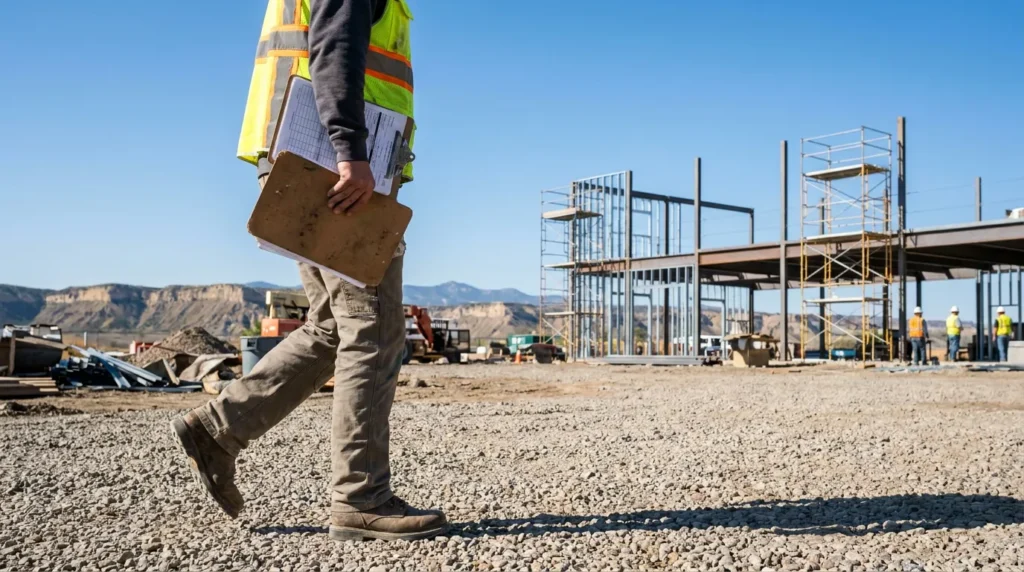
Workplace Accidents — Construction workers, oil field employees, ranch workers, loggers, and warehouse employees across Montana face risks involving heavy equipment, falling objects, repetitive strain, and lifting injuries. Workplace accidents can lead to spinal damage, herniated discs, or other serious neck injuries that interfere with your ability to work.
Sports and Outdoor Recreation Accidents — Montana’s outdoor lifestyle also creates injury risks. Football, rodeo events, skiing, snowboarding, horseback riding, hunting accidents, and snowmobile crashes can place intense pressure on your neck and cervical spine. Some recreational injuries result in permanent disability or paralysis.
Violent Assaults and Physical Attacks — Neck injuries sometimes happen during assaults, domestic violence incidents, strangulation events, or other acts of violence. Trauma to the neck can damage soft tissue, nerves, blood vessels, or the spinal cord. Victims may suffer lasting neurological complications.
Motorcycle and ATV Accidents — Riders involved in ATV and motorcycle crashes often suffer severe neck trauma because they have little physical protection during impact. Rollovers, ejections, and collisions on Montana’s rural roads and trails frequently result in fractures, spinal cord injuries, and other catastrophic harm.
Where Neck Injuries Frequently Happen in Montana
Montana Highways and Rural Roads — Many serious neck injuries happen on Montana highways and rural roads. High-speed crashes on I-90, I-15, Highway 2, and Highway 93 near Billings, Missoula, Bozeman, Great Falls, and Helena often lead to severe cervical spine trauma. Rural areas can be especially dangerous because of wildlife crossings, poor visibility, black ice, and harsh winter weather.
Billings Construction Sites and Industrial Work Areas — Billings remains one of Montana’s busiest industrial centers, making construction accidents and heavy equipment injuries common causes of neck trauma. Workers in oil, gas, railroad, manufacturing, and warehouse jobs may suffer injuries from falls, machinery accidents, or falling materials. Similar risks exist near Butte, Great Falls, and eastern Montana oil regions.
Montana Ski Resorts and Outdoor Recreation Areas — Neck injuries frequently occur in areas where residents and tourists ski, snowboard, ride ATVs, snowmobile, hunt, or participate in rodeo events. Locations near Big Sky, Whitefish, Red Lodge, and Bozeman regularly see serious recreation-related cervical spine injuries.
Retail Stores, Parking Lots, and Public Properties — Slip and fall accidents inside stores, hotels, restaurants, parking lots, and public buildings can cause serious neck injuries. Ice-covered sidewalks, broken stairs, uneven pavement, and poor lighting are common hazards during Montana winters, especially in cities like Billings, Kalispell, and Helena.
Montana Nursing Homes and Medical Facilities — Elderly residents in nursing homes and assisted living facilities may suffer severe neck injuries after falls or improper patient handling. Older adults often face greater risks of fractures and long-term complications after neck trauma.
Who May Be Held Responsible for a Neck Injury
Negligent Drivers — Drivers who fail to use reasonable care may be liable for your neck injury under MCA § 27-1-701. Montana laws involving reckless driving (MCA § 61-8-301) and careless driving (MCA § 61-8-302) may also help establish fault in a civil injury claim.
Trucking Companies and Commercial Carriers — Trucking companies may be liable when unsafe hiring practices, poor vehicle maintenance, hours-of-service violations, or other safety failures contribute to a serious crash. Liability claims often involve MCA § 27-1-701 along with federal trucking regulations under 49 C.F.R. Parts 382, 391, 395, and 396.
Property Owners and Businesses — Property owners, stores, hotels, and businesses may be liable if unsafe conditions on their property cause your neck injury. Montana premises liability claims are generally based on negligence principles under MCA § 27-1-701, which requires property owners to use reasonable care to protect lawful visitors.
Employers and Third Parties at Work Sites — If your neck injury happened at work, your case may involve both workers’ compensation benefits and claims against other negligent parties involved in the accident. While workers’ compensation generally covers injuries caused by your employer under MCA § 39-71-411, Montana law may also allow claims against outside parties such as contractors, equipment companies, or negligent drivers under MCA § 39-71-412.
Manufacturers of Defective Products — If a defective vehicle, machine, helmet, or safety device contributes to your neck injury, Montana product liability law may apply. Under MCA § 27-1-719, injured people may be able to pursue claims involving products that were defectively designed, manufactured, or sold in an unreasonably dangerous condition.
Medical Providers and Care Facilities — Doctors, hospitals, nursing homes, chiropractors, and rehabilitation facilities may be liable if negligent medical care worsens your neck injury. Montana medical malpractice claims are governed by MCA § 27-2-205.
Government Agencies and Public Entities — State agencies, cities, counties, and public employees may be liable if unsafe public property or negligent government conduct contributes to your injury. Claims against public entities may involve special notice requirements under MCA § 2-9-301.
Liability for Fatal Neck Injuries — Fatal neck injury claims may involve wrongful death and survival actions under MCA § 27-1-513 and § 27-1-501. Families may seek compensation for financial losses, medical expenses, funeral costs, and loss of companionship.
Montana Statute of Limitations for Neck Injury Claims — Most Montana neck injury lawsuits must be filed within three years under MCA § 27-2-204. Under MCA § 27-2-205, medical malpractice claims generally must be filed within two years of discovering the injury and no later than five years after the malpractice occurred.
How a Montana Neck Injury Attorney Helps You Protect Your Case
Investigating Serious Neck Injuries in Montana — A Montana neck injury attorney gathers crash reports, medical records, surveillance footage, black box data, and witness statements to prove how your injury happened. In areas like Billings, Missoula, Bozeman, and Great Falls, attorneys often work with accident reconstruction experts and spinal specialists to build strong injury claims.
Handling Insurance Companies After a Neck Injury — Insurance companies often try to downplay neck injuries as “minor” or temporary. A Montana neck injury lawyer pushes back against low settlement offers and works to show the true impact of your injury, including chronic pain, mobility loss, future treatment needs, and time away from work.
Proving the Long-Term Impact of Cervical Spine Injuries — Severe neck injuries can affect your ability to work, drive, sleep, and live independently. Your lawyer may work with neurologists, orthopedic doctors, vocational experts, and life-care planners throughout Montana to prove the full extent of your losses and future medical needs.
Filing a Lawsuit When Settlement Negotiations Fail — If the insurance company refuses to offer fair compensation, your attorney can file a lawsuit and prepare your case for trial. Neck injury lawsuits in Montana often involve extensive medical evidence, expert testimony, and detailed proof of permanent disability or spinal damage.
Fighting for Full Compensation in Montana Neck Injury Cases — Montana neck injury attorneys fight for compensation involving medical bills, lost income, reduced earning ability, rehabilitation costs, pain and suffering, and permanent disability. In fatal neck injury cases, surviving families might also seek wrongful death damages for funeral expenses, financial losses, and loss of companionship.
Frequently Asked Questions
How much is a Montana neck injury case worth?
Montana neck injury settlement amounts depend on medical treatment, MRI findings, lost income, pain severity, permanent limitations, and insurance coverage. Serious cervical spine injuries often lead to substantially higher financial recoveries.
Do I need a personal injury lawyer for a neck injury in Montana?
Insurance companies frequently dispute neck injury claims involving delayed symptoms, chronic pain, and soft tissue damage. Strong legal representation helps protect evidence, negotiate settlements, and pursue compensation through litigation when necessary.
Can I sue for a Montana cervical spine injury after a crash?
You may pursue compensation when another party causes your cervical spine injury. Recoverable damages may include medical expenses, lost income, rehabilitation costs, future care needs, and pain and suffering damages.
How long do I have to file a Montana neck injury claim?
Most Montana neck injury claims must be filed within three years under Montana law. Missing the legal deadline may permanently prevent you from recovering compensation for your financial and physical losses.
What is the average payout for a neck injury in Montana?
Settlement values vary depending on surgery requirements, MRI results, disability levels, ongoing treatment, and insurance coverage. Permanent spinal damage and long-term pain generally increase the value of Montana injury claims.
When should I hire a lawyer for a Montana neck injury case?
You should hire a lawyer after diagnosis because insurance companies begin investigating quickly. Early representation helps preserve medical evidence, witness statements, surveillance footage, and other important information supporting your claim.
Can delayed symptoms support a Montana cervical spine injury claim?
Yes. Many cervical spine injury victims develop headaches, numbness, stiffness, dizziness, or nerve pain days after accidents. Delayed symptoms can still support valid Montana insurance claims and personal injury lawsuits.
How much does a Montana neck injury attorney cost upfront?
Most Montana neck injury attorneys handle cases through contingency fee agreements, meaning you usually pay nothing upfront. Attorney fees are commonly collected only after successfully recovering compensation through settlement or litigation.
Montana Neck Injury Lawyers
Neck injury claims are frequently disputed because nerve damage, soft-tissue trauma, and chronic spinal pain do not always appear clearly on initial emergency room imaging. While victims continue medical treatment and deal with work restrictions, reduced mobility, or ongoing pain, insurance companies often challenge the seriousness of the injury and the need for future care. These cases commonly turn into disputes over medical evidence, long-term limitations, and the lasting effect the injury will have on the victim’s life. Miller Tourtlotte Law, PLLC represents injured people across Montana in serious injury, wrongful death, workers’ compensation, and insurance bad faith cases. Matt Tourtlotte brings more than twenty years of experience handling complex insurance disputes, while A.J. Miller previously worked inside the insurance industry before representing injured Montanans. That experience gives the firm firsthand insight into how insurers evaluate, defend, and attempt to minimize serious neck injury claims. Call (406) 888-2222 or contact Miller Tourtlotte Law, PLLC online for a free consultation with a personal injury lawyer.